PTA powder, a critical raw material in the production of polyester fibers, demands efficient and reliable handling throughout the manufacturing process. The pneumatic conveying system serves as a vital link in transporting PTA powder from storage silos to processing units, ensuring seamless integration into the industrial workflow. This article delves into the fundamental principles and operational mechanics of PTA powder pneumatic conveying equipment, emphasizing the technological advancements and practical applications that enhance material handling efficiency in modern chemical manufacturing.
Company Profile: Shandong HeadPowder Engineering Co., Ltd.
HeadPowder, the brand name of Shandong HeadPowder Engineering Co., Ltd., specializes in engineering solutions for powder handling and material transport. With a commitment to precision, durability, and safety, the company has positioned itself as a leading provider of pneumatic conveying systems tailored to the needs of the chemical industry. Based in Shandong, China, Shandong HeadPowder Engineering Co., Ltd. leverages years of expertise to design and manufacture equipment that ensures the safe, efficient, and cost-effective transportation of PTA powder, adhering to international standards and industry best practices.
Core Components of PTA Powder Pneumatic Conveying Systems
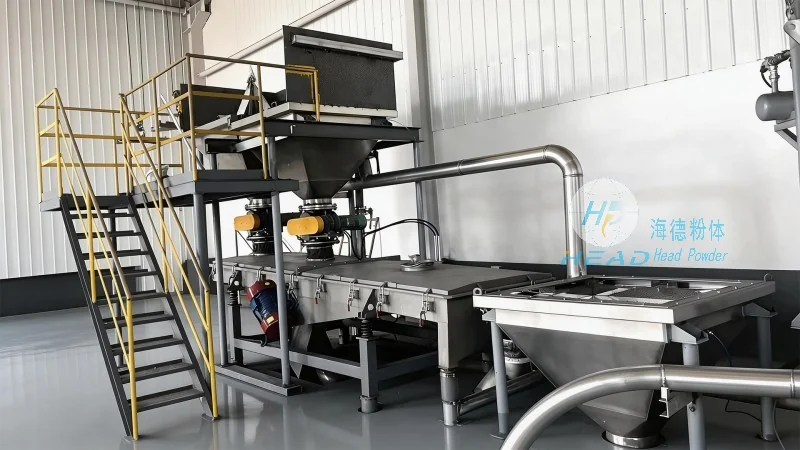
The pneumatic conveying system for PTA powder comprises several essential components that collaborate to achieve effective material transport. These components include the material hopper for storage, the air compressor or blower to generate the necessary air pressure, the conveying pipeline (which may incorporate bends, straight sections, and filters), and the receiving hopper where the material is deposited. Each component is engineered to maintain the integrity of the PTA powder and facilitate smooth system operation.
Operational Principle of PTA Powder Pneumatic Conveying
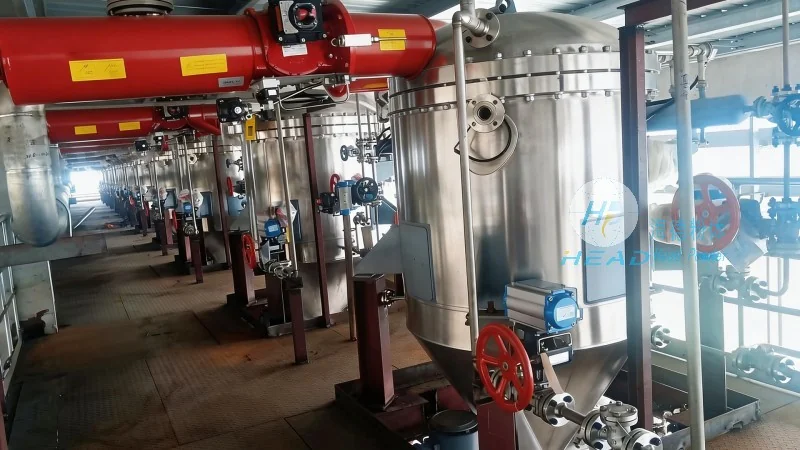
The operation of PTA powder pneumatic conveying equipment is based on the principle of using compressed air to entrain and transport powder particles through a pipeline. When the air compressor provides the required pressure, it creates a flow of air that carries the PTA powder particles, forming either a dense or dilute phase flow depending on the system design. Dense phase conveying utilizes higher air pressure and lower air velocity, transporting the powder in a more concentrated form to minimize particle degradation and system blockages. Dilute phase conveying employs lower air pressure and higher velocity, suitable for longer distances and larger volumes of material transport.
Advantages of PTA Powder Pneumatic Conveying Equipment
Implementing pneumatic conveying systems for PTA powder offers significant advantages over traditional mechanical conveying methods. Firstly, it eliminates the need for mechanical components such as conveyors or elevators, reducing maintenance costs and the risk of mechanical failure. Secondly, the system operates in a closed loop, minimizing dust emissions and ensuring compliance with environmental regulations. Thirdly, pneumatic conveying allows for precise control over flow rate and pressure, enabling better process control and product quality. Additionally, the equipment is compact and can be integrated into existing industrial setups with minimal modifications, enhancing overall plant efficiency.
Applications in PTA Manufacturing Processes
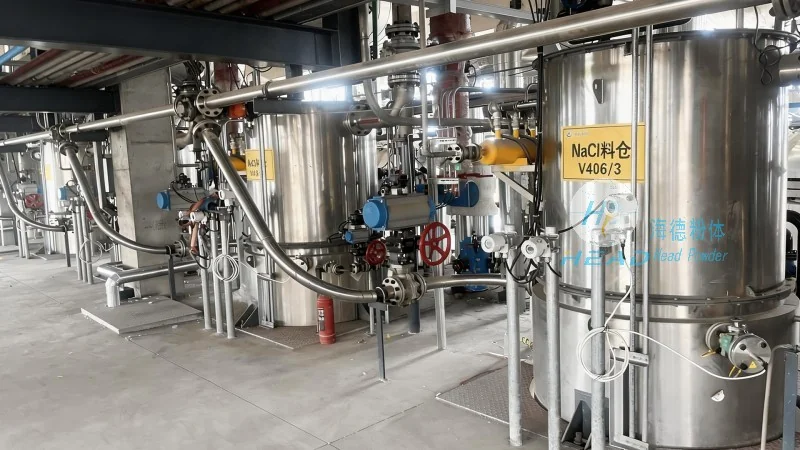
PTA powder pneumatic conveying equipment is widely utilized across various stages of the PTA manufacturing process. From the initial storage of raw PTA powder to its transfer to reactors or other processing units, the system ensures efficient material handling. In the polyester production line, the conveying system plays a crucial role in maintaining a consistent flow of PTA to the polymerization reactors, where it is converted into terephthalic acid derivatives. The reliability of the pneumatic conveying system directly impacts the overall productivity and efficiency of the PTA manufacturing plant, making it an indispensable component in modern chemical production.
Technical Specifications and Customization Options
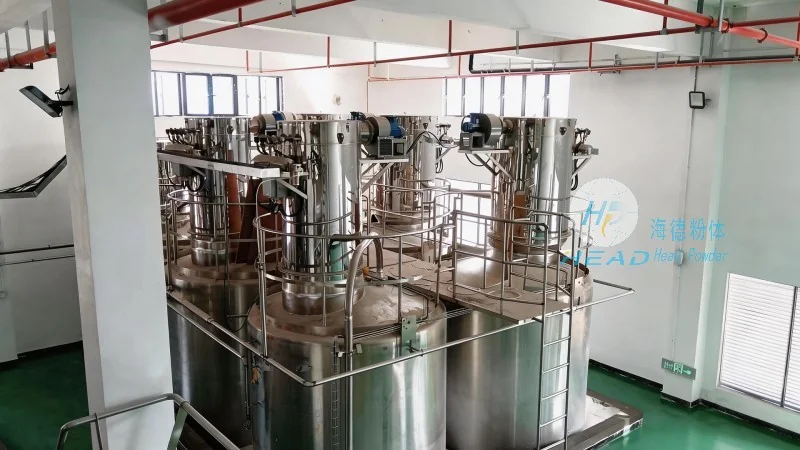
Shandong HeadPowder Engineering Co., Ltd. provides customized pneumatic conveying solutions tailored to the specific requirements of PTA powder handling. Technical specifications of the equipment can be adjusted based on factors such as the powder's bulk density, flowability, and the required conveying distance. The company offers options for both positive and negative pressure systems, allowing flexibility in system design. Additionally, the equipment is constructed from high-quality materials to withstand the corrosive nature of PTA powder and the operational pressures involved. Customization options include different hopper sizes, air compressor capacities, and conveying line configurations to meet the unique needs of each client, ensuring optimal performance and longevity.
Maintenance and Operational Best Practices
Proper maintenance and operational practices are essential to ensure the longevity and efficiency of PTA powder pneumatic conveying equipment. Regular inspection of the air compressor and blower components is necessary to prevent wear and tear. The conveying lines should be cleaned periodically to remove any accumulated powder, which can affect system performance. Additionally, monitoring the air pressure and flow rate during operation helps in identifying any potential issues early on. The company provides technical support and maintenance services to ensure that the equipment operates at optimal levels, minimizing downtime and maximizing productivity. By adhering to these best practices, industrial facilities can maintain the reliability and effectiveness of their PTA powder pneumatic conveying systems over the long term.




