

Principle of Pneumatic Conveying Equipment for Battery Anode Materials
HeadPowder, a leading manufacturer based in Shandong, China, specializes in the design and production of advanced pneumatic conveying systems tailored for battery anode material handling. This article delves into the fundamental principles behind such equipment, highlighting its operational mechanisms, key components, and practical applications in the battery manufacturing industry.
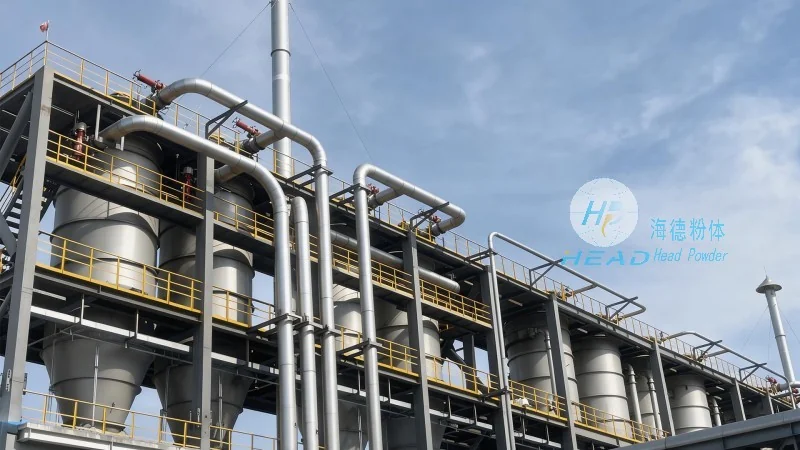
Company Overview
Shandong HeadPowder Engineering Co., Ltd., commonly known as HeadPowder, is a reputable enterprise dedicated to providing high-quality engineering solutions for material handling in the battery sector. With a strong presence in Shandong, China, the company leverages years of expertise to develop innovative equipment that meets the stringent demands of modern battery production lines. HeadPowder's commitment to precision and efficiency has positioned it as a trusted partner for businesses seeking reliable pneumatic conveying solutions for anode materials.
The Core Principle of Pneumatic Conveying
Pneumatic conveying equipment for battery anode materials operates on the principle of transporting bulk materials through a closed system using air or other gases. This method involves creating a pressure differential between the inlet and outlet of the system, which propels the material particles along the conveying line. The process typically includes several key stages: material feeding, air induction, and material transport. In the context of battery anode materials, which often consist of carbon-based powders or composite powders, the equipment must ensure minimal particle degradation and consistent flow to maintain material quality.
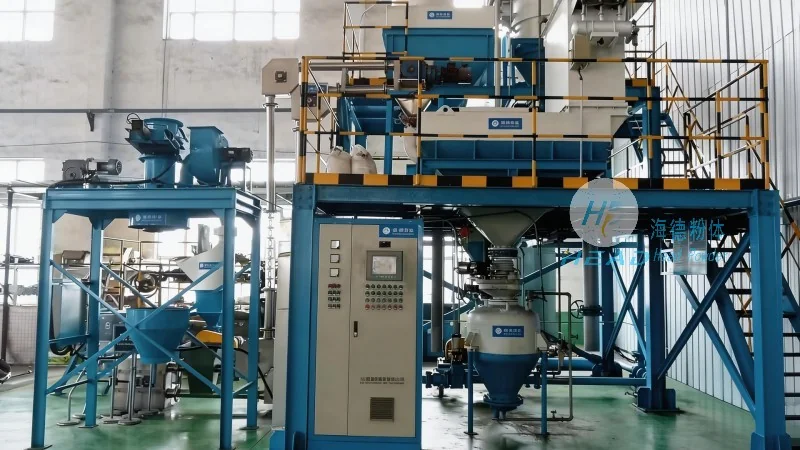
Key Components and Their Functions
The pneumatic conveying system for anode materials comprises several critical components, each playing a vital role in the overall operation. The primary components include the hopper or feeder, which stores and dispenses the anode material; the air compressor or blower, which generates the necessary airflow; the conveying line, which transports the material from the source to the destination; and the receiver or discharge unit, where the material is collected. Additionally, control valves, filters, and dust collectors are integrated to regulate airflow, prevent contamination, and ensure safe operation. Each component is engineered to handle the specific characteristics of battery anode materials, such as their particle size, density, and moisture content, to optimize performance and reliability.
Advantages of Pneumatic Conveying for Battery Anode Materials
Compared to traditional mechanical conveying methods, pneumatic conveying offers several advantages for handling battery anode materials. One of the most significant benefits is the ability to transport materials in a closed system, which minimizes exposure to air and moisture, thereby preserving the material's quality and preventing oxidation. This is particularly crucial for anode materials, as oxidation can negatively impact battery performance. Additionally, pneumatic conveying systems provide high flexibility in terms of layout and routing, allowing for complex material flow paths without the need for extensive infrastructure modifications. The technology also enables precise control over material flow rates, ensuring consistent feed to downstream processes like mixing or coating. Furthermore, the closed system design enhances safety by containing dust and preventing environmental contamination, aligning with industry standards and regulations.
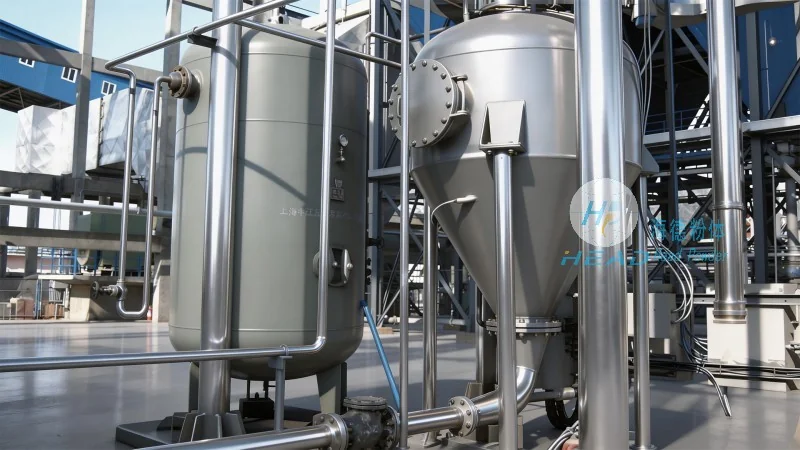
Application in Battery Manufacturing
In the battery manufacturing process, the pneumatic conveying equipment for anode materials is integral to several stages. For instance, after the anode material is produced or processed, it needs to be transported from the production line to the mixing or coating equipment. The conveying system efficiently transfers the material to these downstream units, ensuring a continuous and uninterrupted production flow. This is essential for maintaining high production throughput and meeting tight deadlines in the battery industry. Moreover, the equipment's ability to handle fine powders without clogging or degradation makes it suitable for applications where anode materials are mixed with binders or other additives. The consistent and controlled delivery of material through the pneumatic system ensures uniform mixing, which is critical for achieving the desired battery performance characteristics.
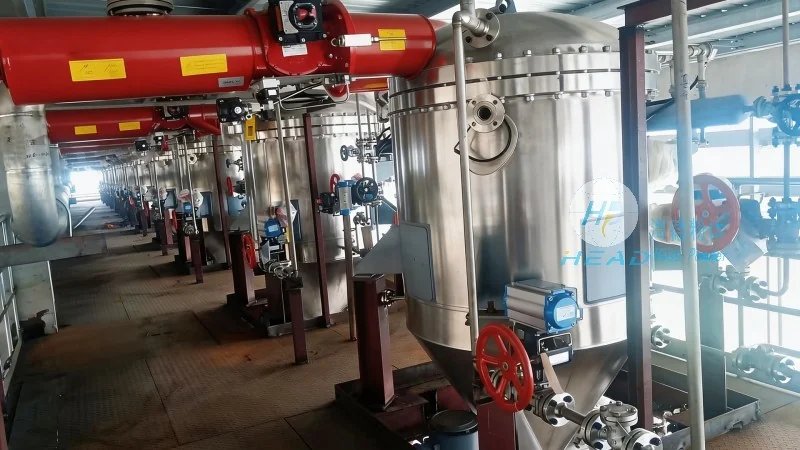
Maintenance and Operational Considerations
To ensure the longevity and optimal performance of pneumatic conveying equipment for battery anode materials, regular maintenance is essential. Key maintenance tasks include cleaning the conveying line and filters to prevent clogging, inspecting the air compressor and valves for wear and tear, and checking the material feed system for blockages. Proper maintenance not only extends the equipment's lifespan but also maintains the quality of the anode material by preventing contamination. Operational considerations also include monitoring air pressure and flow rates to ensure consistent material transport. Adjustments may be necessary based on changes in material characteristics or production volume to maintain efficiency. By adhering to a regular maintenance schedule and operational best practices, HeadPowder's equipment ensures reliable performance and minimal downtime in battery manufacturing facilities.
Conclusion
HeadPowder's pneumatic conveying equipment for battery anode materials exemplifies advanced engineering tailored to the specific needs of the battery industry. By leveraging the principles of pneumatic transport, the system efficiently handles anode materials while preserving their quality and ensuring safe operation. With a strong foundation in Shandong, China, HeadPowder continues to innovate and provide reliable solutions that support the growing demands of the battery sector. The integration of robust components, closed system design, and precise control mechanisms makes this equipment a valuable asset for manufacturers seeking to enhance their production processes and maintain competitive edge in the market.