Pneumatic conveying systems are critical components in the manufacturing processes of battery positive electrode materials. These systems are engineered to efficiently transport powders, such as lithium cobalt oxide, lithium iron phosphate, or other cathode active materials, from one location to another within a production facility. The technology behind these systems leverages the principles of air flow to move materials, offering advantages like dust-free operation, reduced contamination, and the ability to handle a wide range of particle sizes and moisture content. For companies in the battery industry, selecting and implementing the right pneumatic conveying system is essential for maintaining product quality, improving operational efficiency, and ensuring compliance with safety and environmental standards.
Design Principles of Pneumatic Conveying Systems
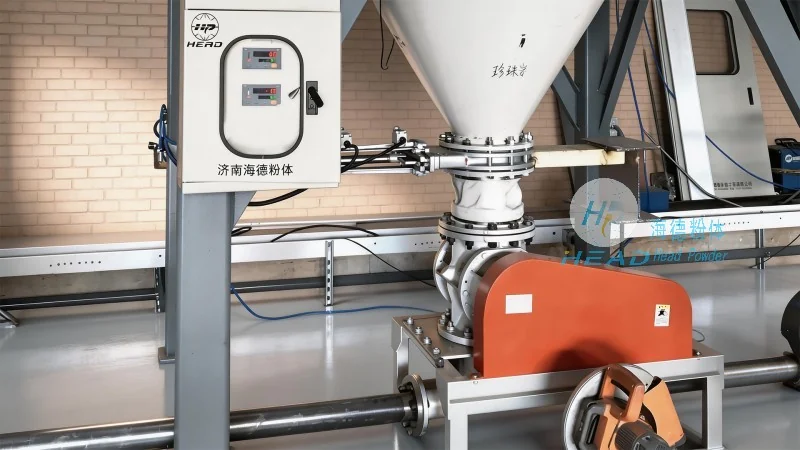
The design of a pneumatic conveying system for battery positive electrode materials involves several key principles that ensure optimal performance. First, the system must be capable of handling the specific characteristics of the materials being transported, including their particle size distribution, density, and flowability. This often requires the use of specialized components like rotary valves, airlocks, and filters to control the flow and prevent material degradation. Second, the system must maintain a consistent air pressure and flow rate to ensure reliable material transport without clogging or excessive pressure drops. Third, the design must incorporate safety features, such as explosion-proof components and dust collection systems, to mitigate risks associated with handling powders that may be flammable or hazardous. Additionally, the system should be scalable and adaptable to accommodate changes in production volume or material specifications, allowing for future growth and flexibility. By adhering to these design principles, manufacturers can develop a pneumatic conveying system that meets the unique demands of battery positive electrode material processing.
Key Components and Their Functions
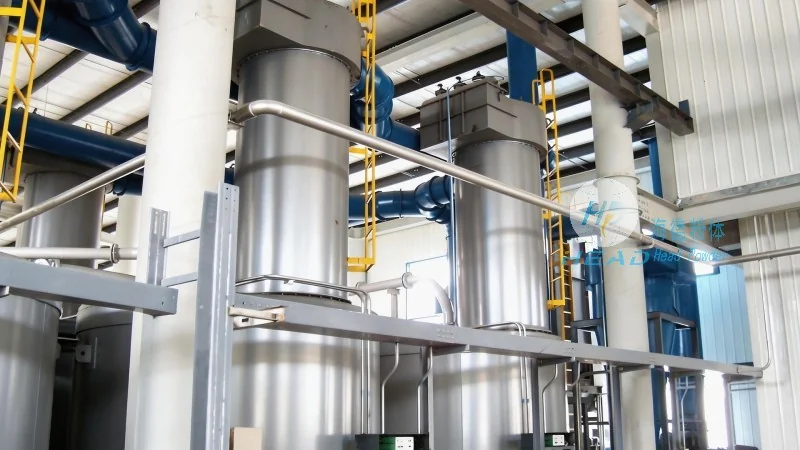
At the core of any pneumatic conveying system are several essential components that work together to facilitate material transport. The first component is the material feed system, which typically includes a hopper or silo to store the battery positive electrode material and a rotary valve to control the flow of material into the conveying line. The rotary valve is crucial as it provides a controlled, dust-free release of material, preventing clogging and ensuring consistent feed rates. Next, the conveying line itself, which can be either a positive pressure or negative pressure system, depending on the application. Positive pressure systems use compressed air to push the material through the line, while negative pressure systems use vacuum to pull the material. The choice between these two depends on factors like material properties, distance to be conveyed, and system layout. The conveying line may include components like bends, elbows, and straight sections, all designed to minimize pressure loss and maintain material flow. Finally, the system includes a material discharge system, which may consist of another rotary valve or a dust collector, to safely release the material at the destination point. The dust collector is particularly important as it captures any fine particles that may escape during transport, preventing environmental contamination and ensuring workplace safety. Each of these components plays a vital role in the overall efficiency and reliability of the pneumatic conveying system.
Applications in Battery Manufacturing
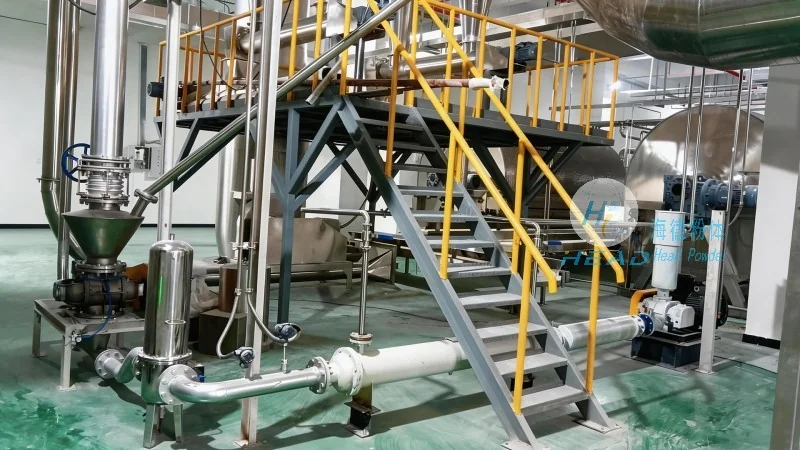
Pneumatic conveying systems are widely used in various stages of battery manufacturing, particularly in the processing of positive electrode materials. For example, in the production of lithium-ion batteries, these systems are used to transport cathode powders from raw material storage to mixing and coating lines. The ability to handle fine powders without agglomeration is critical in this step, as it directly impacts the uniformity of the electrode coating. Another application is in the blending of different cathode materials to achieve the desired chemical composition and performance characteristics. The pneumatic conveying system ensures that each material is mixed thoroughly and consistently, which is essential for producing high-quality battery cells. Additionally, these systems are used in quality control processes, where samples of the positive electrode material are transported to testing laboratories for analysis. The reliability and accuracy of the conveying system are crucial in these applications, as any variation in material flow can affect test results and product quality. By integrating pneumatic conveying systems into these processes, manufacturers can streamline operations, reduce downtime, and improve overall productivity.
Benefits and Advantages
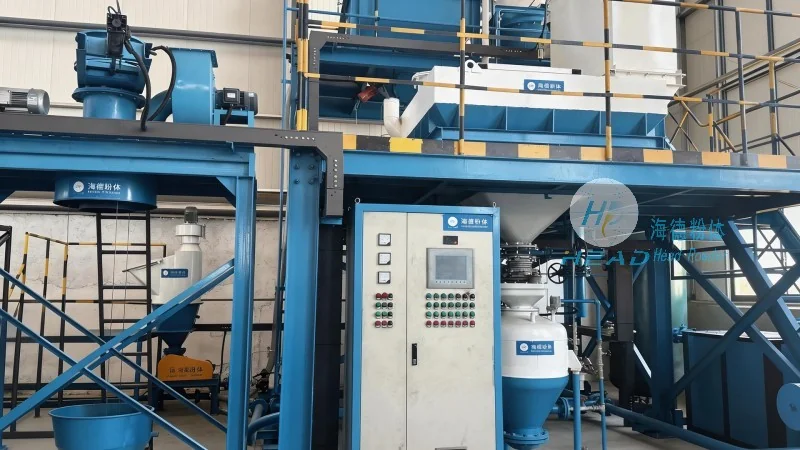
Implementing a pneumatic conveying system for battery positive electrode materials offers numerous benefits that contribute to the success of battery manufacturing operations. One of the primary advantages is the reduction of dust and contamination, which is critical for maintaining the purity of the materials. Unlike traditional bulk handling methods, such as belt conveyors or bucket elevators, pneumatic systems operate in a closed environment, minimizing the release of fine particles into the air. This not only improves workplace safety but also ensures that the materials remain free from contaminants that could affect battery performance. Another key benefit is the improved efficiency and speed of material transport. Pneumatic systems can move materials over longer distances and at higher rates compared to traditional methods, reducing the time required for material handling and increasing overall production throughput. This efficiency is particularly important in high-volume battery manufacturing facilities where rapid processing is essential. Additionally, the flexibility of pneumatic conveying systems allows for easy integration with other production equipment, such as mixers, coaters, and extruders. This integration enables seamless material flow from one process step to the next, further enhancing operational efficiency. Finally, the use of pneumatic systems can lead to cost savings over time. By reducing material waste due to contamination and improving production speed, manufacturers can lower their overall operational costs. These cost savings, combined with the improved product quality and safety, make pneumatic conveying systems a valuable investment for battery manufacturers.




