Ammonium chloride (NH₄Cl) is a widely used chemical compound in various industrial sectors, including pharmaceuticals, agriculture, and chemical manufacturing. Efficient and safe material handling of ammonium chloride is crucial for maintaining production efficiency, ensuring product quality, and complying with safety regulations. This article explores the key aspects of ammonium chloride material handling, focusing on the underlying design principles that guide the selection and implementation of appropriate equipment and systems.
Introduction to Ammonium Chloride and Its Handling Challenges
Ammonium chloride is a white crystalline solid with a melting point of around 338°C (640.4°F) and a density of approximately 1.527 g/cm³. It is hygroscopic, meaning it can absorb moisture from the air, which can affect its handling properties and storage conditions. Due to its chemical and physical characteristics, handling ammonium chloride requires specialized equipment and processes to prevent caking, blockages, and potential hazards such as dust explosions or corrosion. The design of a material handling system for ammonium chloride must consider these challenges to ensure reliable and safe operation.
Key Design Principles for Ammonium Chloride Material Handling Systems
The design of an ammonium chloride material handling system typically follows several fundamental principles to address the unique properties of the material. First, the system must be designed to minimize the generation of dust, as ammonium chloride dust can be a health hazard and a fire or explosion risk. This is achieved through the use of enclosed equipment, proper ventilation systems, and dust collection devices. Second, the equipment must be constructed from materials that are resistant to corrosion and chemical attack, as ammonium chloride can be corrosive to certain metals. Common materials of construction include stainless steel, polyethylene, and other corrosion-resistant alloys. Third, the system should incorporate features to prevent caking and blockages, such as the use of vibrators, agitators, and proper hopper design to ensure smooth flow of the material. Fourth, the system must comply with relevant safety standards and regulations, including those related to dust explosion prevention, electrical safety, and material handling equipment.
Equipment Selection for Ammonium Chloride Material Handling
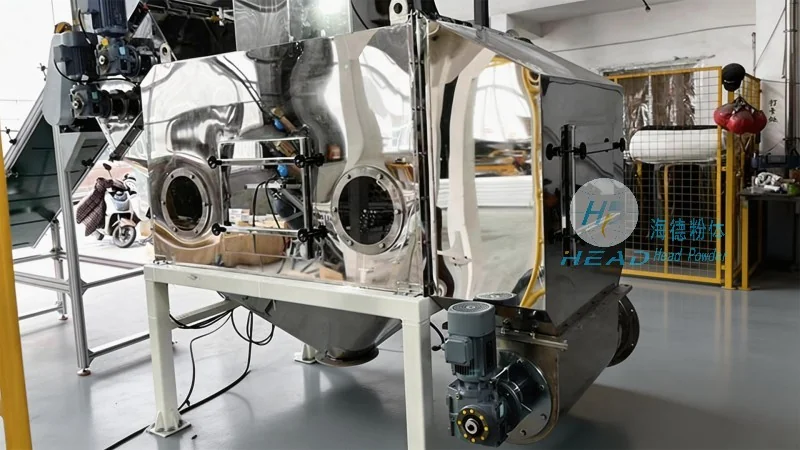
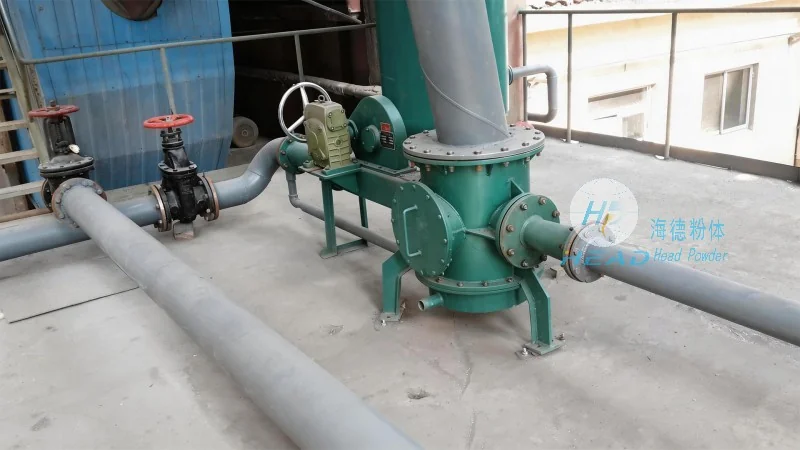
Several types of equipment are commonly used in ammonium chloride material handling systems, each with specific applications and advantages. Conveyors, such as belt conveyors or screw conveyors, are often used for transporting ammonium chloride from storage to processing areas. Belt conveyors are suitable for bulk material handling and can handle large volumes of material efficiently. Screw conveyors, also known as augers, are ideal for vertical or inclined transport and can handle materials with a higher moisture content or those prone to caking. For handling smaller quantities or for precise dosing, pneumatic conveying systems may be used. These systems use air pressure to transport the material through pipes, which can be advantageous for enclosed and dust-free transport. However, pneumatic systems require careful design to prevent pressure buildup and ensure consistent flow rates.
System Integration and Process Flow
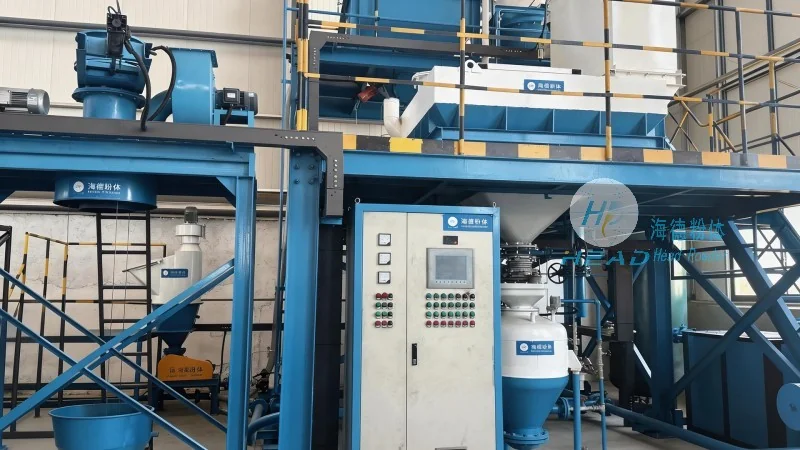
The integration of equipment into a cohesive material handling system is critical for the efficient operation of ammonium chloride handling. The system typically includes storage silos or hoppers, conveying equipment, feeding mechanisms, and processing or packaging equipment. The storage silos are designed with sloped walls and proper discharge mechanisms to prevent material bridging and caking. The conveying equipment connects the storage area to the processing line, ensuring a continuous flow of material. The feeding mechanisms, such as rotary valves or feeders, regulate the flow rate of ammonium chloride to the downstream equipment, such as mixers or reactors. The entire system is controlled by a programmable logic controller (PLC) or a distributed control system (DCS), which monitors and adjusts the operation based on process parameters and safety conditions.
Safety Considerations in Ammonium Chloride Material Handling
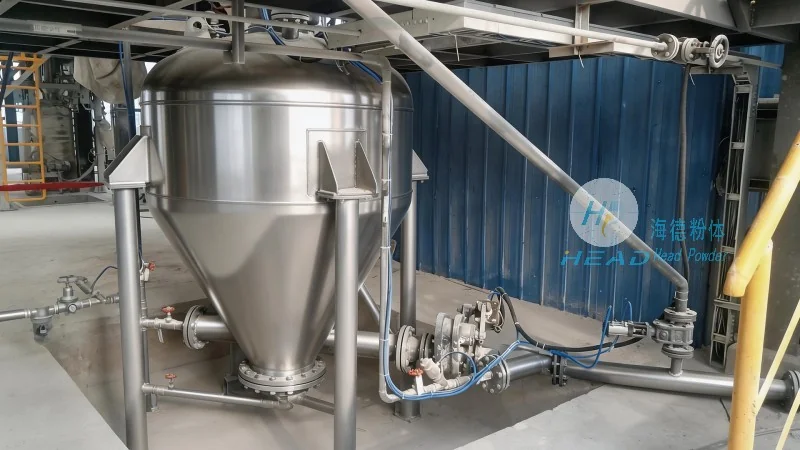
Safety is a paramount concern in the design and operation of ammonium chloride material handling systems. The hygroscopic nature of ammonium chloride means that it can absorb moisture from the air, leading to caking and potential blockages. To mitigate this, the system should include drying or moisture control measures, such as desiccant beds or heated storage areas. Additionally, the system must be equipped with dust explosion prevention devices, such as explosion vents, flame arrestors, and dust collectors. Electrical equipment should be explosion-proof and properly grounded to prevent ignition sources. Personnel should be trained on the safe handling of ammonium chloride, including the use of personal protective equipment (PPE) and emergency procedures. Regular maintenance and inspection of the equipment are also essential to ensure the system operates safely and efficiently.
Case Study: A Typical Ammonium Chloride Material Handling System by Shandong HeadPowder Engineering Co., Ltd.
Shandong HeadPowder Engineering Co., Ltd., a leading provider of material handling solutions, has extensive experience in designing and implementing ammonium chloride material handling systems. One of their recent projects involved the design of a material handling system for a pharmaceutical company producing ammonium chloride-based products. The system included a storage silo with a capacity of 50 tons, a belt conveyor for horizontal transport, a screw conveyor for vertical transport, and a pneumatic conveying system for precise dosing. The system was designed to meet the strict safety and quality standards of the pharmaceutical industry, with features such as enclosed equipment, dust collection, and explosion-proof electrical components. The implementation of this system resulted in improved production efficiency, reduced downtime due to blockages, and enhanced safety for the operators. This case study highlights the importance of a well-designed material handling system in optimizing the handling of ammonium chloride and ensuring compliance with industry regulations.




