Molybdenum oxide, a critical industrial material, often requires specialized handling and transportation systems to ensure efficient and safe processing. The design of such material handling systems is crucial for optimizing production workflows and maintaining material integrity. This article explores the key aspects of molybdenum oxide material handling, including its design principles and practical applications.
Understanding Molybdenum Oxide Properties
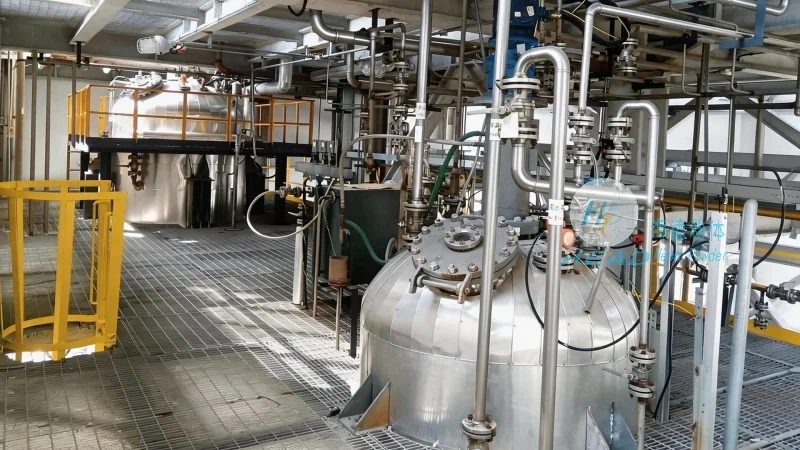
Before delving into the handling systems, it is essential to understand the properties of molybdenum oxide. This compound, typically in powder or granular form, exhibits specific characteristics that influence the choice of handling equipment. For instance, its chemical stability and potential reactivity with certain materials require careful consideration during transportation. The material's density, flowability, and dust generation characteristics are also critical factors that affect the design of the handling system. By understanding these properties, engineers can select appropriate equipment and materials to minimize risks and maximize efficiency.
Design Principles for Molybdenum Oxide Material Handling
The design of molybdenum oxide material handling systems follows several key principles to ensure safety, efficiency, and compliance with industrial standards. First, the system must be designed to prevent dust generation and exposure, as molybdenum oxide can be hazardous when inhaled. This is typically achieved through enclosed systems, dust collection mechanisms, and proper ventilation. Second, the equipment must be constructed from materials that are compatible with molybdenum oxide, avoiding reactions that could contaminate the material or degrade the equipment. Third, the system should be designed for easy maintenance and cleaning to prevent cross-contamination and ensure consistent performance. Additionally, the handling system should be integrated with other production processes to minimize material loss and optimize workflow. These principles guide the selection of components such as hoppers, conveyors, and storage vessels, ensuring that each part of the system contributes to the overall efficiency and safety of the material handling process.
Key Components of Molybdenum Oxide Handling Systems
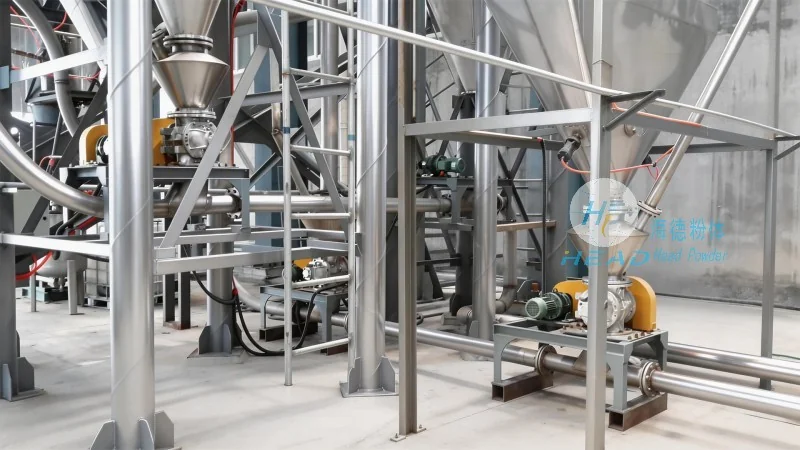
Effective molybdenum oxide material handling systems consist of several key components, each designed to perform specific functions. The primary components include feeders, hoppers, conveyors, and storage tanks. Feeders are used to control the flow of molybdenum oxide from the storage hopper to the conveyor system, ensuring a consistent and controlled feed rate. Hoppers are typically designed with sloped sides to facilitate material flow and prevent clogging, especially important for powders that may settle or agglomerate. Conveyors, such as belt or screw conveyors, transport the material from one location to another, often with the ability to adjust speed and direction to match production needs. Storage tanks or silos are used to store large quantities of molybdenum oxide, providing a buffer for production fluctuations and ensuring a steady supply. Each component is carefully selected and integrated to work in harmony, minimizing downtime and maximizing material throughput.
Applications and Industries Using Molybdenum Oxide Handling Systems
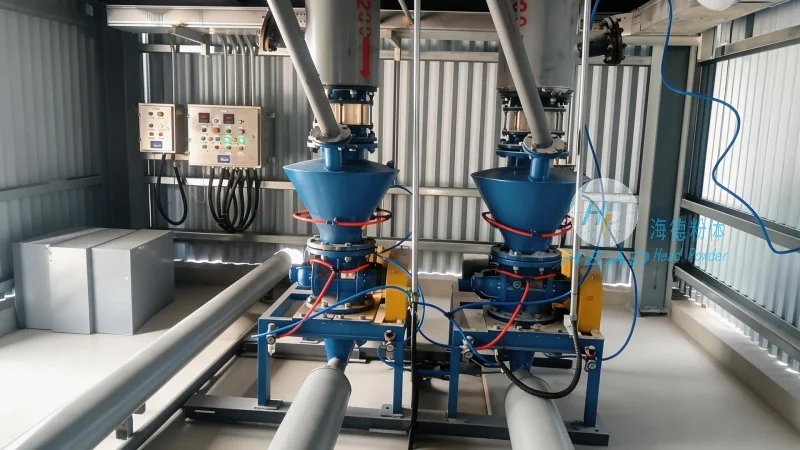
Molybdenum oxide handling systems are widely used in various industries that rely on this material for their production processes. The most common applications include the chemical industry, where molybdenum oxide is used as a catalyst or raw material for other compounds. The metallurgical industry also utilizes molybdenum oxide in the production of molybdenum metal and alloys. Additionally, the semiconductor industry uses molybdenum oxide in the manufacturing of electronic components due to its high thermal stability and electrical properties. Each of these industries requires specialized handling systems tailored to their specific production needs, ensuring that the material is handled safely and efficiently throughout the manufacturing process. The systems are designed to meet the unique challenges of each industry, such as high temperatures, corrosive environments, or strict purity requirements.
Conclusion and Company Overview
In conclusion, the design and implementation of molybdenum oxide material handling systems are critical for optimizing industrial processes and ensuring safety. By understanding the properties of molybdenum oxide and applying sound design principles, engineers can develop systems that are efficient, safe, and cost-effective. Shandong HeadPowder Engineering Co., Ltd., a leading provider of material handling solutions, specializes in designing and manufacturing systems tailored to the needs of various industries. With a focus on quality and innovation, the company ensures that its systems meet the highest standards of performance and safety. Located in Shandong, China, HeadPowder provides comprehensive solutions for molybdenum oxide and other material handling challenges, helping businesses enhance their production capabilities and maintain a competitive edge in the market.




