When it comes to handling and transporting fine powders and dust in industrial settings, the dust powder conveyor emerges as a critical piece of equipment. This machinery is specifically engineered to manage the movement of particulate materials, ensuring efficient and safe operation in various manufacturing and processing environments. Understanding its functionality and the underlying design principles is essential for industries that rely on consistent and reliable material handling solutions.
Introduction to Dust Powder Conveyors
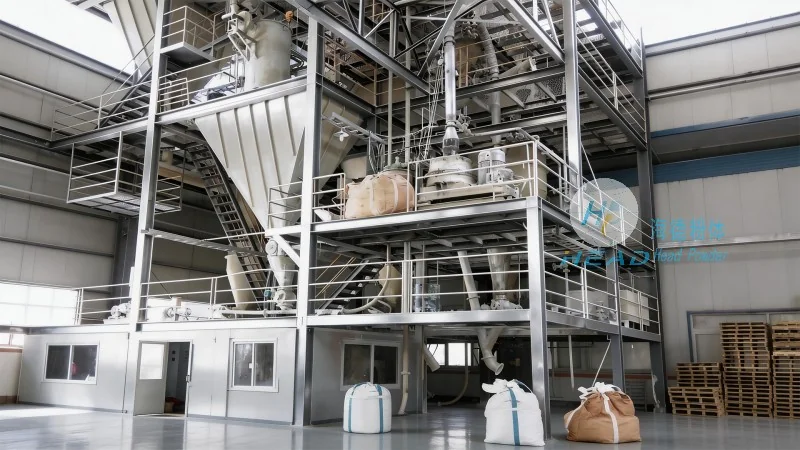
A dust powder conveyor, also known as a powder handling system, is a specialized type of conveyor designed to transport dry, fine materials such as powders, granules, and dust. These systems are widely used across multiple industries, including pharmaceuticals, food processing, chemical manufacturing, and mining, where the handling of bulk materials is a daily operation. The primary goal of such equipment is to move these materials from one location to another within a facility with minimal loss, contamination, and energy consumption.
About HeadPowder Engineering Co., Ltd.
HeadPowder Engineering Co., Ltd., a leading manufacturer based in Shandong, China, specializes in the design, development, and production of advanced dust powder conveying systems. With a strong commitment to innovation and quality, the company has established itself as a trusted partner for businesses seeking reliable and efficient material handling solutions. HeadPowder's expertise lies in creating customized conveyor systems that meet the unique requirements of each client, ensuring optimal performance and durability in demanding industrial applications.
Design Principles of Dust Powder Conveyors
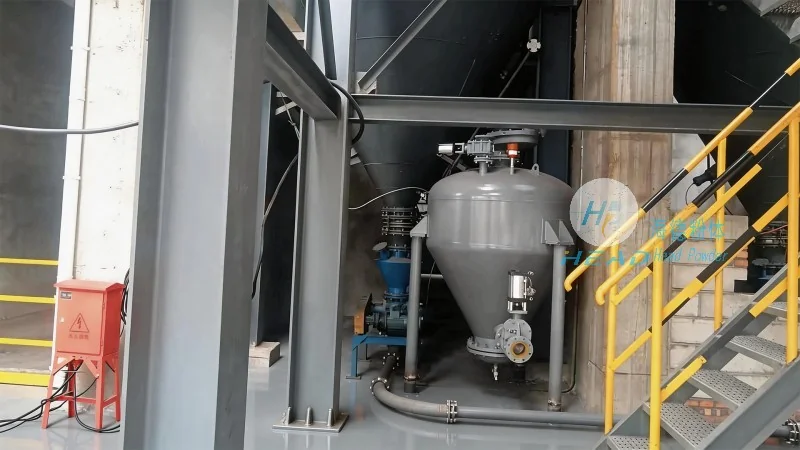
The design of a dust powder conveyor is built upon several key principles to ensure effective and safe operation. These principles include the use of appropriate materials to prevent material buildup and corrosion, the incorporation of sealing mechanisms to minimize dust emissions and contamination, and the implementation of energy-efficient drive systems. The conveyor's structure typically features a flexible or rigid tube, often made from food-grade or industrial-grade materials, which can be customized to handle different types of powders and dust. The system may also include components such as rotary valves, airlocks, and dust collection units to enhance performance and safety.
Key Components and Their Functions
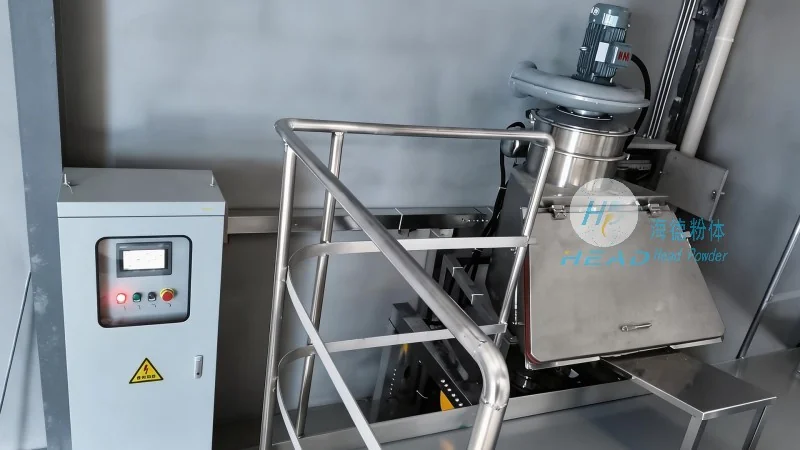
Several critical components make up a dust powder conveyor, each playing a vital role in the overall operation. The feeding mechanism, which can be a hopper or a screw feeder, ensures a consistent flow of material into the conveyor. The conveyor tube, which may be made of stainless steel, plastic, or other materials, transports the material through the system. The drive system, often an electric motor with a gearbox, provides the necessary power to move the material. Additionally, the system may include a dust collection system to capture and filter any airborne particles, ensuring compliance with environmental regulations and maintaining a clean working environment.
Applications and Benefits
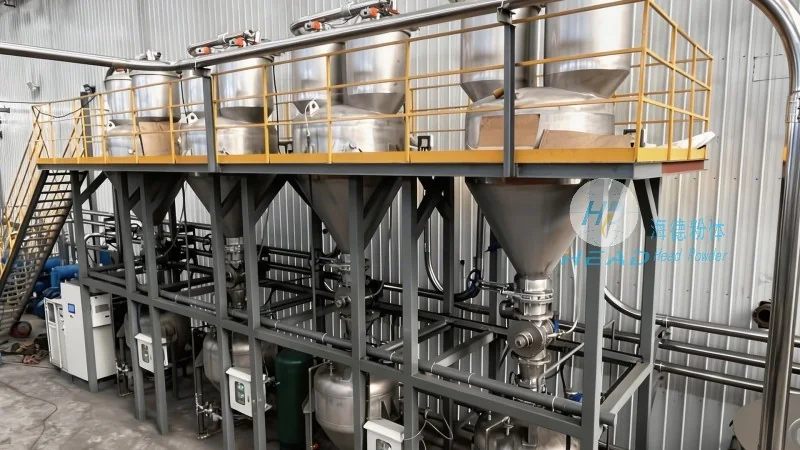
Dust powder conveyors are used in a wide range of applications across various industries. In the pharmaceutical industry, they are used to transport active pharmaceutical ingredients (APIs) and excipients with high precision and minimal contamination. In food processing, they handle ingredients like flour, sugar, and spices, ensuring hygiene and product quality. In chemical manufacturing, they transport powders and granules safely, preventing dust explosions and ensuring worker safety. The benefits of using a dust powder conveyor include improved efficiency, reduced labor costs, minimized material loss, and enhanced safety in the workplace.
Customization and Maintenance
HeadPowder Engineering Co., Ltd. offers customized dust powder conveyor solutions tailored to the specific needs of each client. The company's engineers work closely with clients to understand their operational requirements and design a system that meets their unique specifications. Regular maintenance is crucial to ensure the longevity and performance of the conveyor system. This includes cleaning the conveyor tube, checking the drive system, and inspecting the sealing mechanisms to prevent leaks and dust emissions. By following proper maintenance procedures, businesses can maximize the lifespan of their equipment and minimize downtime.




