PTFE, or polytetrafluoroethylene, is a widely used material in industrial applications due to its excellent chemical resistance, low friction properties, and thermal stability. When it comes to transporting PTFE materials, various methods are employed, with pneumatic conveying being a prominent choice. This article explores the different PTFE conveying methods and highlights the advantages and features of PTFE pneumatic conveying systems.
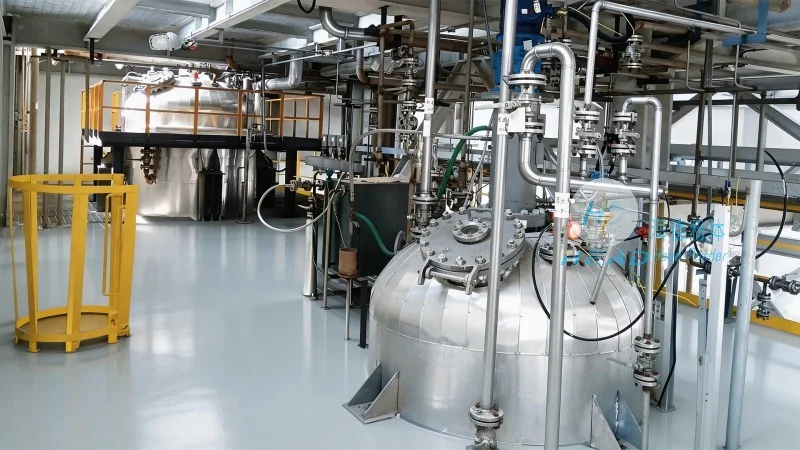
Introduction to PTFE Conveying Methods
PTFE materials are often handled in processes that require efficient and reliable material transport. Conventional methods like belt conveyors, screw conveyors, and bucket elevators are common, but they may face challenges when dealing with PTFE powders or granules due to their unique properties. PTFE is known for being non-stick and slippery, which can affect the performance of traditional mechanical conveyors. Therefore, specialized conveying systems are often preferred to ensure optimal material handling and process efficiency.
PTFE Pneumatic Conveying: A Comprehensive Overview
Pneumatic conveying, also known as air conveying, utilizes compressed air to transport bulk materials through a pipeline system. For PTFE applications, this method offers several advantages that make it a preferred choice in many industries. The key benefits of PTFE pneumatic conveying include:
Key Advantages of PTFE Pneumatic Conveying
1. Chemical Resistance and Non-Stick Properties: PTFE is inherently resistant to a wide range of chemicals, including acids, bases, and solvents. This makes it ideal for handling corrosive or reactive materials without degradation. The non-stick surface of PTFE also prevents material buildup on the conveying lines, reducing maintenance requirements and ensuring consistent flow.
2. Low Friction and Wear Resistance: PTFE has one of the lowest coefficients of friction among engineering plastics. This property minimizes wear on the conveying components, such as pipes and valves, leading to longer service life and lower operational costs. The smooth surface of PTFE also reduces the risk of material agglomeration, which can cause blockages in traditional conveyors.
3. Thermal Stability: PTFE can withstand high temperatures without degrading, making it suitable for processes involving hot materials or high-temperature environments. This thermal stability ensures that the conveying system remains functional and efficient even under demanding thermal conditions.
4. Hygienic and Sanitary Design: In industries like pharmaceuticals, food processing, and cosmetics, maintaining a clean and sanitary environment is critical. PTFE materials are non-porous and easy to clean, which helps in meeting stringent hygiene standards. Pneumatic conveying systems with PTFE components can be designed to be fully enclosed, preventing contamination and ensuring product purity.
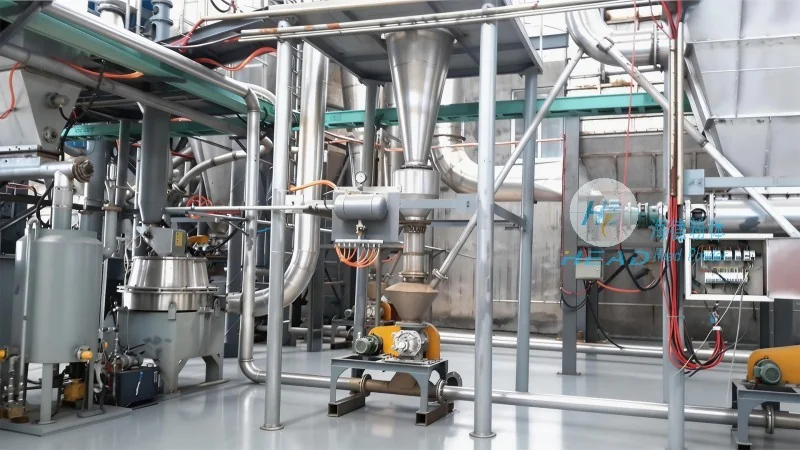
Features of PTFE Pneumatic Conveying Systems
PTFE pneumatic conveying systems are designed with specific features to enhance performance and reliability. These features include:
System Components and Design Considerations
The design of a PTFE pneumatic conveying system involves several key components, each optimized for PTFE material handling. These components include:
1. Feeder and Hopper: The feeder and hopper are responsible for feeding the PTFE material into the conveying line. PTFE hoppers are designed to prevent material bridging and ensure a consistent flow. The feeder, often a rotary valve or a star feeder, controls the material discharge rate, preventing overloading or underloading of the system.
2. Conveying Lines and Fittings: The conveying lines are typically made of PTFE or PTFE-lined materials to ensure chemical resistance and low friction. PTFE fittings, such as elbows, tees, and reducers, are used to connect the lines and direct the material flow. The smooth interior surface of the lines minimizes material buildup and reduces the risk of blockages.
3. Compressor and Air Treatment: The compressor provides the necessary air pressure to transport the PTFE material. Air treatment systems, including filters and dryers, are used to remove contaminants and moisture from the air, ensuring clean and efficient conveying. Proper air treatment is crucial to prevent material contamination and maintain system performance.
4. Dust Collection and Recovery: In pneumatic conveying systems, dust collection is essential to maintain air quality and recover valuable material. PTFE filters are used to capture fine particles, preventing them from being released into the environment. The recovered material can be returned to the process, reducing waste and improving overall efficiency.
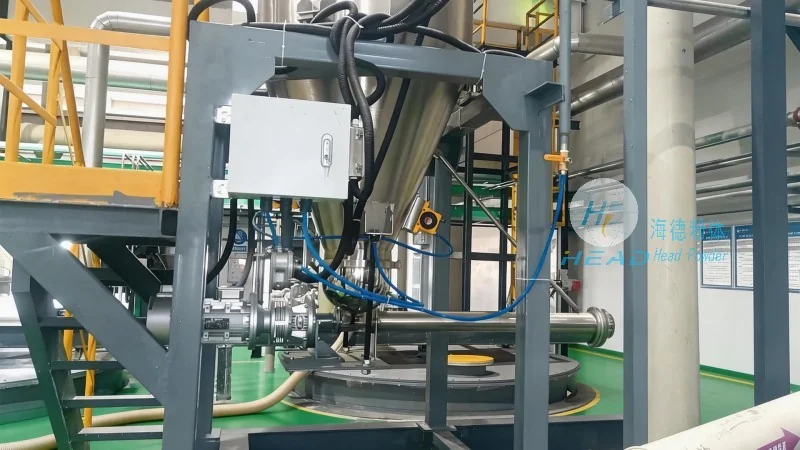
Applications of PTFE Pneumatic Conveying
PTFE pneumatic conveying systems are widely used in various industries where PTFE materials are processed. Some common applications include:
1. Pharmaceutical Industry: In pharmaceutical manufacturing, PTFE is used for producing medical devices and components. Pneumatic conveying ensures that the PTFE powders are handled hygienically and without contamination, meeting the strict regulatory requirements of the industry.
2. Food and Beverage Industry: PTFE is used in food processing equipment, such as seals and gaskets. Pneumatic conveying systems are used to transport PTFE powders or granules to production lines, ensuring a clean and sanitary process.
3. Chemical Industry: PTFE is used in chemical processing for its resistance to corrosive chemicals. Pneumatic conveying allows for the safe and efficient transport of PTFE materials in chemical plants, reducing the risk of material exposure and contamination.
4. Electronics Industry: PTFE is used in electronic components and coatings. Pneumatic conveying systems are used to transport PTFE powders for coating applications, ensuring a uniform and consistent finish.
Conclusion
PTFE conveying methods, particularly pneumatic conveying, offer significant advantages in terms of material handling efficiency, chemical resistance, and process reliability. The unique properties of PTFE, such as low friction, non-stick surface, and thermal stability, make it an ideal material for specialized conveying systems. Companies like Shandong HeadPowder Engineering Co., Ltd. specialize in designing and manufacturing PTFE pneumatic conveying systems that meet the specific needs of various industries. With their expertise and commitment to quality, these systems provide reliable and efficient material transport solutions for PTFE applications.




