

What is a Sugar Material Pneumatic Conveying System? And What Are Its Design Principles?
When it comes to efficiently handling and transporting sugar materials, the pneumatic conveying system has emerged as a critical solution in the industry. This technology offers a reliable and effective way to move bulk sugar from one location to another, ensuring minimal product loss and maintaining product integrity. Understanding the fundamentals of such a system, including its design principles, is essential for anyone involved in the sugar processing and distribution sectors. This article will delve into the specifics of sugar material pneumatic conveying systems, exploring how they operate and the key design considerations that make them effective.
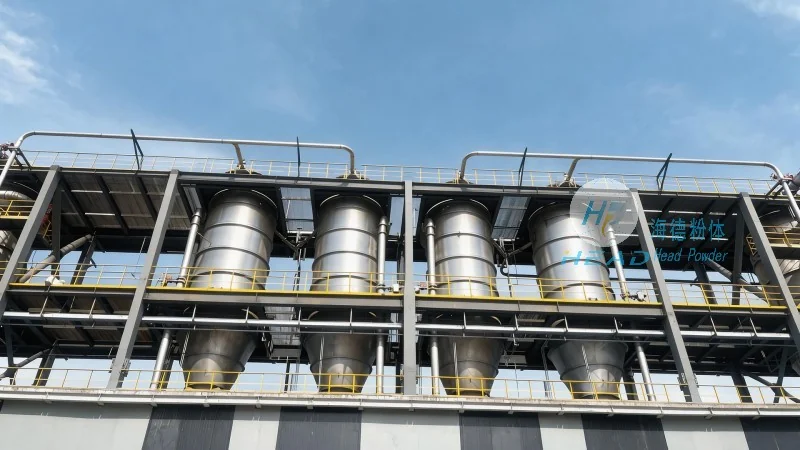
Introduction to Pneumatic Conveying Systems for Sugar Materials
Pneumatic conveying systems are mechanical systems that use air or other gases to transport bulk materials like sugar through a pipeline. Unlike traditional methods such as bucket elevators or belt conveyors, pneumatic systems offer advantages in terms of flexibility, cleanliness, and the ability to handle a wide range of sugar products, from raw sugar to refined sugar. The core of a pneumatic conveying system lies in its ability to create a flow of material by generating a pressure differential within the pipeline, which propels the sugar particles forward. This method is particularly beneficial in sugar processing plants where maintaining product quality and preventing contamination is paramount.
About HeadPowder Engineering Co., Ltd.
HeadPowder Engineering Co., Ltd., a leading provider of engineering solutions in the material handling industry, specializes in designing and manufacturing advanced pneumatic conveying systems tailored for the sugar sector. With years of experience and a deep understanding of the unique challenges faced by sugar processing facilities, HeadPowder has developed innovative solutions that enhance operational efficiency and product safety. The company's commitment to quality and customer satisfaction has made it a trusted partner for sugar manufacturers worldwide. HeadPowder's headquarters is located in Shandong, China, where the company leverages local expertise and resources to deliver cutting-edge engineering solutions.
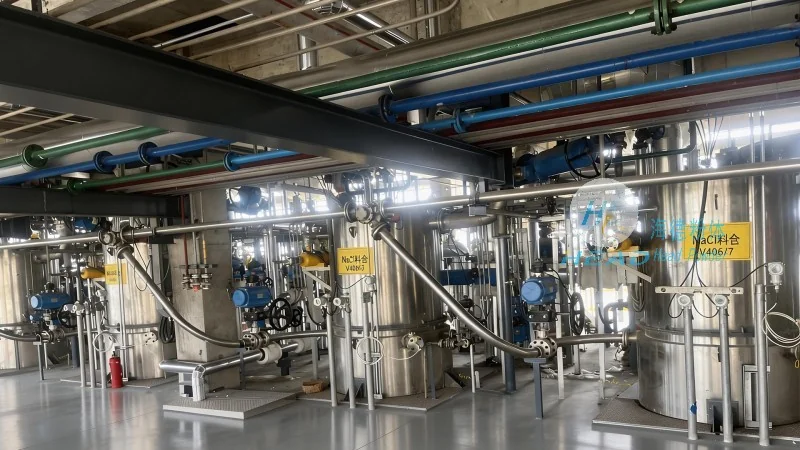
Design Principles of Sugar Material Pneumatic Conveying Systems
The design of a sugar material pneumatic conveying system involves several key principles that ensure optimal performance and reliability. The first principle is the selection of the appropriate conveying method, which can be categorized into pressure or vacuum systems. Pressure systems use compressed air to push the sugar forward, while vacuum systems use a vacuum to pull the material. The choice between these methods depends on factors such as the distance to be covered, the volume of material to be conveyed, and the characteristics of the sugar product. For sugar, pressure systems are often preferred due to their ability to handle higher material loads and maintain consistent flow rates.
A critical component in the design is the air-liquid separator, which is responsible for separating the sugar particles from the air stream after the material has been conveyed. This separator ensures that the sugar is collected efficiently and that the air is cleaned before being discharged. The design of the separator must consider the size and density of the sugar particles to achieve effective separation without causing excessive pressure drops or product loss. Another important design principle is the use of appropriate pipeline materials and diameters. The pipeline must be constructed from materials that are resistant to corrosion and abrasion, as sugar can be abrasive and may contain moisture that could lead to corrosion over time. The diameter of the pipeline is also crucial, as it affects the velocity of the air and the flow rate of the sugar, which in turn impacts the system's efficiency and energy consumption.
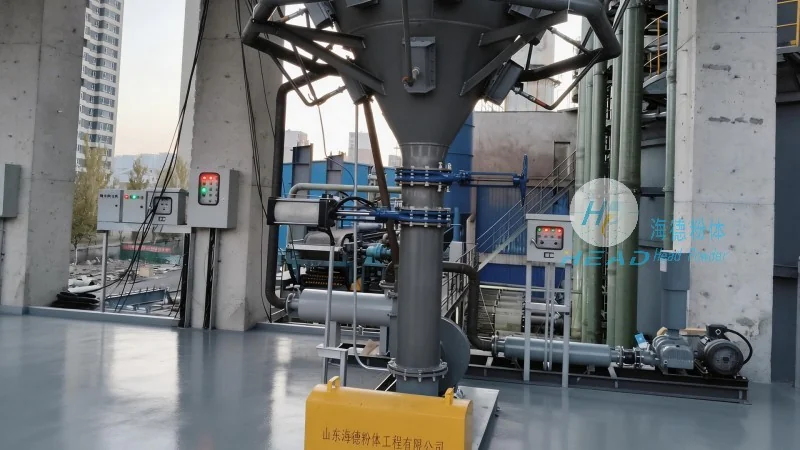
Key Components and Their Functions in the System
A typical sugar material pneumatic conveying system consists of several key components, each playing a vital role in the overall operation. The primary components include the material feed hopper, the air supply unit, the conveying pipeline, the air-liquid separator, and the material discharge hopper. The material feed hopper is responsible for storing and feeding the sugar into the system, ensuring a consistent flow of material. The air supply unit, which may include a compressor and air treatment equipment, provides the necessary pressure or vacuum to move the sugar through the pipeline. The conveying pipeline connects the feed hopper to the discharge hopper and is designed to handle the specific flow rates and pressures required for the application. The air-liquid separator, as mentioned earlier, separates the sugar from the air and collects it in the discharge hopper. Additional components may include filters, cyclones, and control systems that help regulate the operation of the system and ensure optimal performance.
Advantages of Using Pneumatic Conveying Systems for Sugar
Implementing a pneumatic conveying system in sugar processing facilities offers numerous advantages that contribute to improved operational efficiency and product quality. One of the most significant advantages is the reduction in product loss and contamination. Unlike traditional conveyor systems that may expose the sugar to the environment, pneumatic systems keep the material enclosed within the pipeline, minimizing the risk of dust, moisture, or other contaminants entering the product. This is particularly important for refined sugar, where even small amounts of impurities can affect the final product's quality and market value. Another advantage is the flexibility of the system, which allows for easy integration with existing processing lines and the ability to transport sugar to multiple destinations from a single source. This flexibility can help optimize the layout of a sugar processing plant and reduce the need for additional equipment or infrastructure.
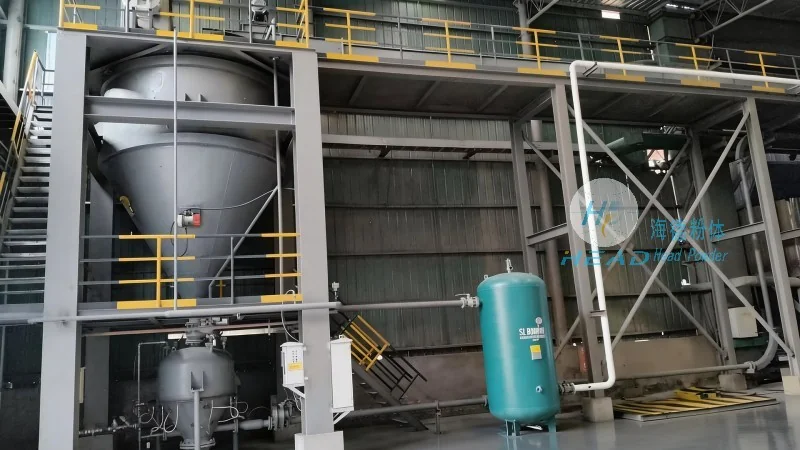
Energy efficiency is another key benefit of pneumatic conveying systems. By carefully designing the system to minimize pressure drops and optimize air flow, manufacturers can reduce energy consumption and lower operating costs. The use of appropriate pipeline diameters and air velocities can help achieve this, ensuring that the system operates at peak efficiency without excessive energy use. Additionally, pneumatic systems can handle a wide range of sugar products, including different grades of raw sugar, refined sugar, and even sugar derivatives, making them a versatile solution for various applications in the sugar industry.
Conclusion
In conclusion, a sugar material pneumatic conveying system is a sophisticated and effective solution for the transportation of bulk sugar in processing facilities. The design principles, which include selecting the appropriate conveying method, designing efficient air-liquid separators, and using suitable pipeline materials, are crucial for ensuring the system's performance and reliability. Companies like HeadPowder Engineering Co., Ltd. play a vital role in providing these advanced systems, leveraging their expertise to meet the specific needs of sugar manufacturers. By understanding and implementing these systems, sugar processing facilities can enhance their operational efficiency, maintain product quality, and reduce costs, ultimately contributing to the success of their business.