

What is a Mung Bean Material Pneumatic Conveying System? And What Are Its Design Principles?
For businesses involved in the processing and handling of mung bean products, the efficiency and reliability of material handling systems are critical factors in maintaining operational productivity. A mung bean material pneumatic conveying system is a specialized piece of equipment designed to transport mung beans and related agricultural products through a pipeline using air pressure. This system offers a clean, efficient, and low-maintenance method for moving bulk materials, making it an ideal solution for various stages of mung bean processing, from raw bean collection to final product packaging.
Understanding Pneumatic Conveying Technology
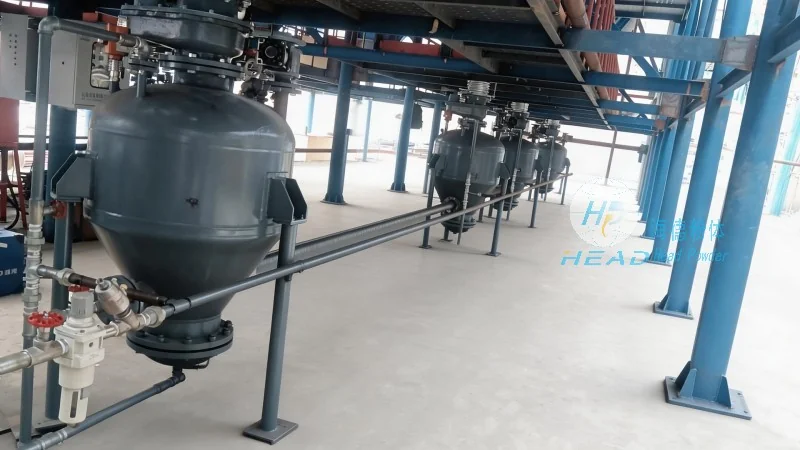
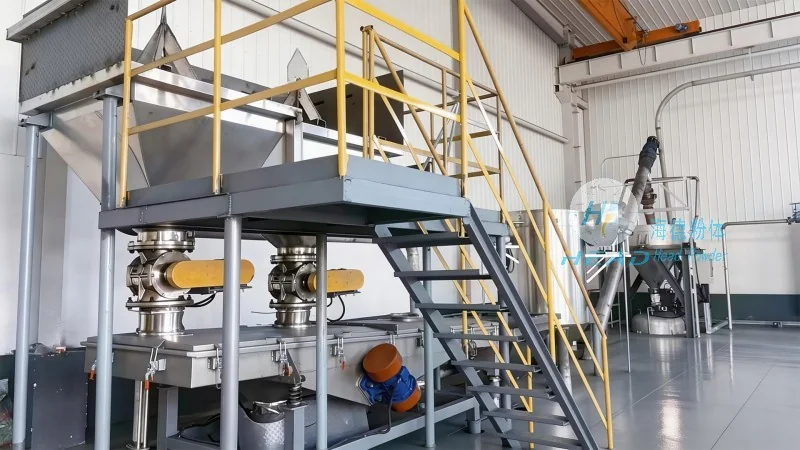
Pneumatic conveying, also known as air conveying, is a method of transporting bulk materials by suspending them in a stream of air and moving them through a pipeline. In the context of mung bean processing, this technology is particularly effective due to the relatively light and uniform size of mung beans. The system typically consists of a hopper for material storage, a blower or compressor to generate the air flow, a pipeline network to direct the material, and a discharge point where the mung beans are deposited. The design of the system must consider factors such as material characteristics, required conveying distance, and the desired flow rate to ensure optimal performance.
Key Components of a Mung Bean Pneumatic Conveying System
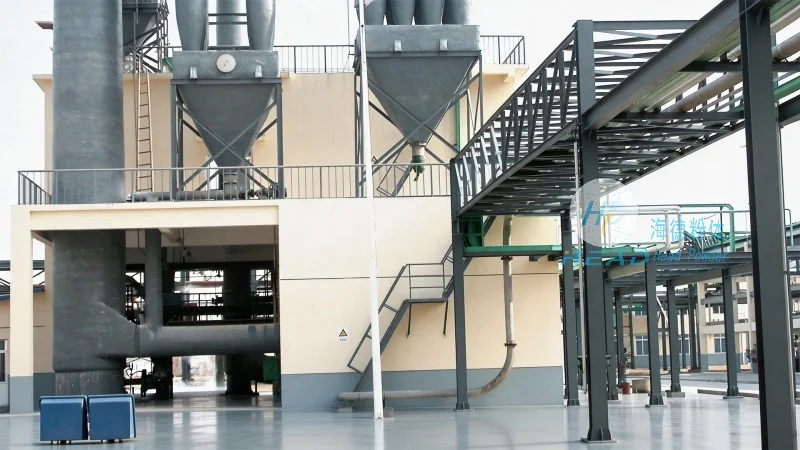
The effectiveness of a mung bean pneumatic conveying system depends on several key components, each playing a crucial role in the overall operation. The first component is the material hopper, which stores the mung beans and feeds them into the system. The hopper is usually equipped with a gate or valve to control the flow of material into the pipeline. Next, the blower or compressor provides the necessary air pressure to move the mung beans through the system. The choice of blower (positive displacement or centrifugal) depends on the specific requirements of the application, such as the conveying distance and the amount of material to be moved. The pipeline network is another critical component, as it must be designed to handle the air and material flow without causing blockages or excessive pressure drops. The pipeline is typically made of stainless steel or other corrosion-resistant materials to ensure durability and hygiene, which is essential for food processing applications like mung bean handling. Finally, the discharge point, which can be a rotary valve, a bagging machine, or a storage silo, collects the mung beans at the end of the conveying process.
Design Principles for Mung Bean Pneumatic Conveying Systems
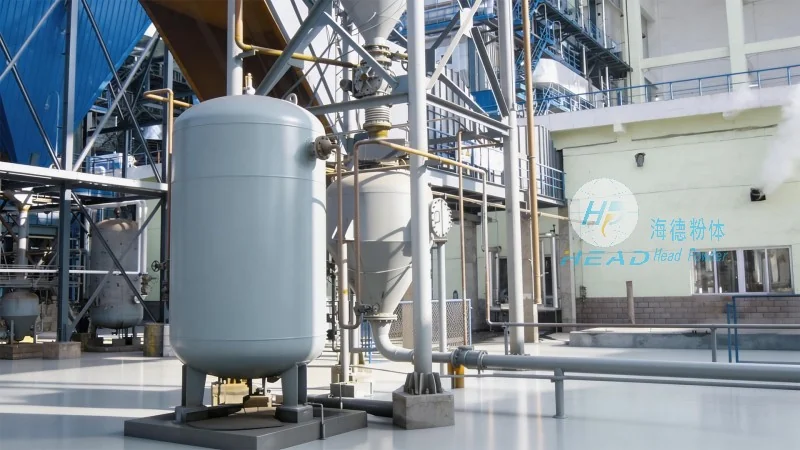
The design of a mung bean pneumatic conveying system follows several fundamental principles to ensure efficient and reliable operation. The first principle is the selection of the appropriate conveying method, which can be either dilute-phase or dense-phase. Dilute-phase conveying uses a high velocity of air to suspend the material, suitable for short to medium conveying distances. Dense-phase conveying, on the other hand, uses a lower velocity of air to move the material in a slurry-like state, ideal for longer distances or when handling materials that are prone to segregation. The design must also consider the material's properties, such as particle size, density, and moisture content, as these factors affect the air flow and pressure requirements. For mung beans, which are relatively small and light, dilute-phase conveying is often preferred due to its simplicity and lower energy consumption. Another important design principle is the calculation of the required air volume and pressure. This involves determining the material flow rate, the pipeline length and diameter, and the pressure drop along the pipeline. The blower must be sized to provide sufficient air volume to move the mung beans at the desired flow rate while maintaining the required pressure to overcome friction losses in the pipeline. Additionally, the system must be designed to prevent material buildup and blockages, which can occur due to the accumulation of moisture or the formation of clumps in the mung beans. This is achieved through the use of filters, cyclones, and regular maintenance to ensure the system operates smoothly.