

What is a Dry Coffee Material Pneumatic Conveying Line? What are its Design Principles?
The pneumatic conveying line is a critical piece of equipment in the coffee processing industry, especially for handling dry coffee materials. It provides an efficient and hygienic method to transport coffee beans, ground coffee, or other coffee-related products from one location to another within a processing facility or between different stages of production. Understanding the design principles and functionality of such a system is essential for optimizing coffee processing operations and ensuring product quality.
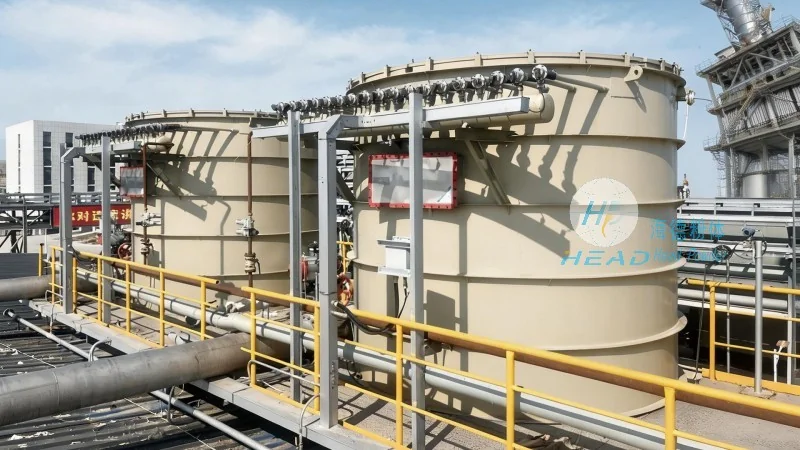
What is a Dry Coffee Material Pneumatic Conveying Line?
A dry coffee material pneumatic conveying line is a system that uses compressed air or other gas to transport dry, non-abrasive materials like coffee beans or ground coffee through a network of pipes. Unlike traditional mechanical conveyors, which rely on belts or chains, pneumatic systems use air pressure to move materials, making them ideal for applications where product contamination or damage must be minimized. The system typically consists of a feeding device, a conveying pipeline, a separation unit, and a discharge point, all working in tandem to ensure smooth and continuous material transport.
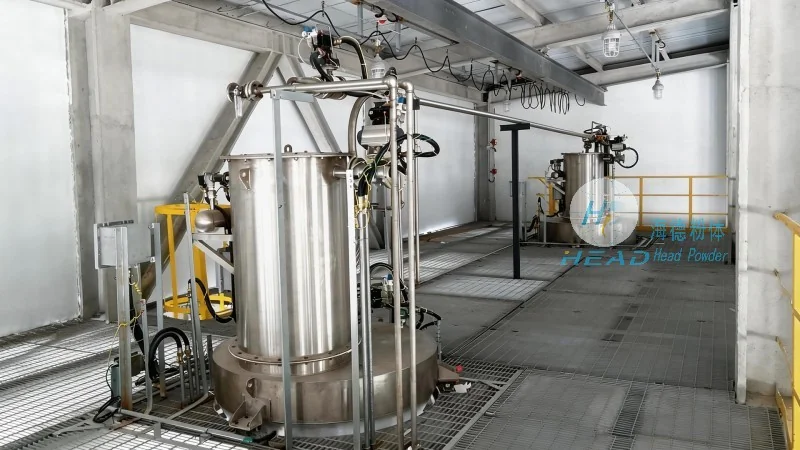
Design Principles of Pneumatic Conveying Systems for Dry Coffee Materials
The design of a pneumatic conveying line for dry coffee materials is based on several key principles to ensure optimal performance and efficiency. The primary principle is maintaining a consistent air velocity within the pipeline to prevent material settling or blockages. This is achieved by calculating the appropriate air flow rate and pressure based on the material's properties, such as particle size, density, and moisture content. For coffee beans, which are relatively light and have a low bulk density, higher air velocities are often required to maintain suspension. The design also considers the pipeline layout, including the number of bends, vertical and horizontal sections, and the use of expansion joints to accommodate thermal changes and reduce pressure losses.
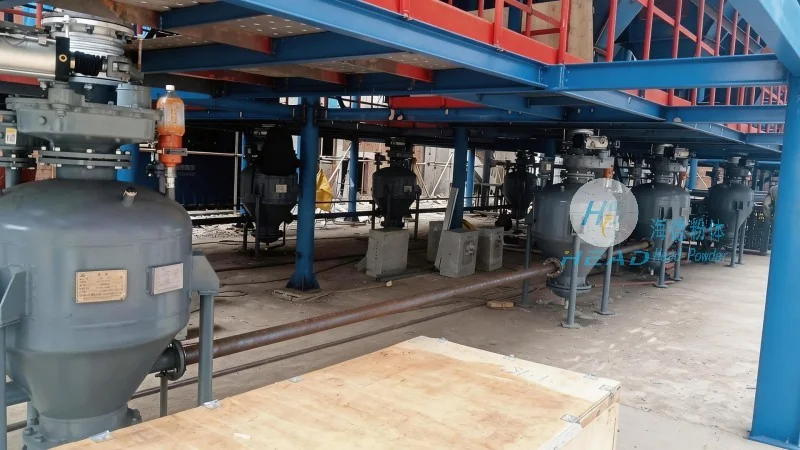
Key Components and Their Roles
Several key components are integral to the operation of a dry coffee material pneumatic conveying line. The first is the feeding device, which can be a rotary valve, a star feeder, or a pressure feeder, depending on the material's characteristics. For coffee beans, a rotary valve or a star feeder is commonly used to ensure a consistent feed rate and prevent air leakage. The conveying pipeline is typically made of stainless steel or other corrosion-resistant materials to maintain product hygiene and prevent contamination. The pipeline diameter and length are carefully selected to minimize pressure drop and energy consumption. The separation unit, often a cyclone or a bag filter, is used to separate the coffee material from the air stream at the discharge point, ensuring that the material is collected efficiently and the air is filtered before being released. Finally, the discharge point is designed to allow the coffee material to be deposited into a storage bin or processing equipment without causing spillage or blockages.
Advantages of Using Pneumatic Conveying for Coffee Processing
Pneumatic conveying offers several advantages over traditional mechanical conveyors in coffee processing. One of the most significant benefits is the hygienic nature of the system, as it eliminates the need for direct contact between the coffee material and mechanical parts, reducing the risk of contamination from bacteria or other microorganisms. Additionally, pneumatic systems are more flexible in terms of layout, allowing for complex pipeline configurations to accommodate different processing stages. They also provide better control over material flow, enabling precise dosing and preventing overloading of downstream equipment. Another advantage is the ability to transport materials over long distances without the need for multiple transfer points, which can reduce labor costs and improve overall efficiency.
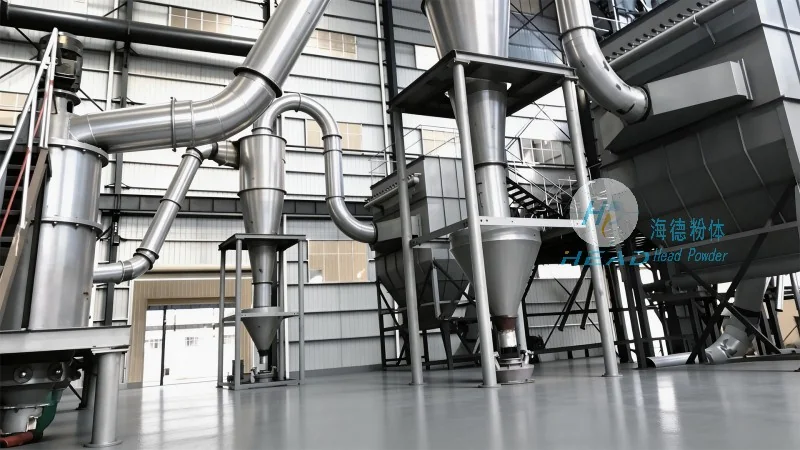
Application in Coffee Industry
In the coffee industry, pneumatic conveying lines are used in various stages of processing. For example, after coffee beans are roasted, they are often conveyed from the roasting machine to a cooling bin using a pneumatic system. Similarly, ground coffee is transported from grinding equipment to packaging machines or storage silos. The system can also be used to move coffee from storage silos to processing lines, ensuring a continuous supply of raw materials. In some cases, pneumatic conveying is used to transport coffee waste or byproducts to disposal or recycling facilities, further optimizing the overall processing flow.