

Working Principle and Features of Light-Weight Micropowder Pneumatic Conveying Systems
Light-weight micropowder pneumatic conveying systems represent a sophisticated solution for the efficient and reliable transport of fine powders, particularly those with low bulk density. As a leading provider in the field, Shandong HeadPowder Engineering Co., Ltd. specializes in designing and manufacturing systems that cater to the unique challenges of handling such materials. This article delves into the working principle and key features of these systems, providing a comprehensive overview for industry professionals seeking to understand or implement such technology.
Working Principle of Light-Weight Micropowder Pneumatic Conveying Systems
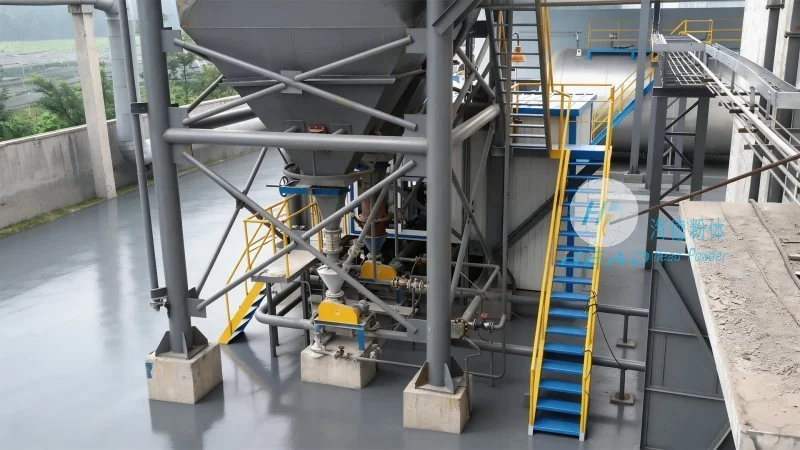
The core of a light-weight micropowder pneumatic conveying system lies in its ability to use air as the primary medium for material transport. The system operates on the principle of pneumatic transport, where a fan or blower generates a high-velocity airflow that draws the micropowder particles into a pipeline. The process typically involves several stages: material feeding, air induction, conveying, and discharge. The micropowder is introduced into the system via a hopper or feeder, where it is then entrained by the air stream. The air-powder mixture travels through the pipeline, and at the receiving end, the air is separated from the powder, allowing the material to be deposited in the target container. This method eliminates the need for mechanical components like belts or screws, reducing friction and wear while maintaining a high level of material purity.
Key Features and Advantages of the Systems
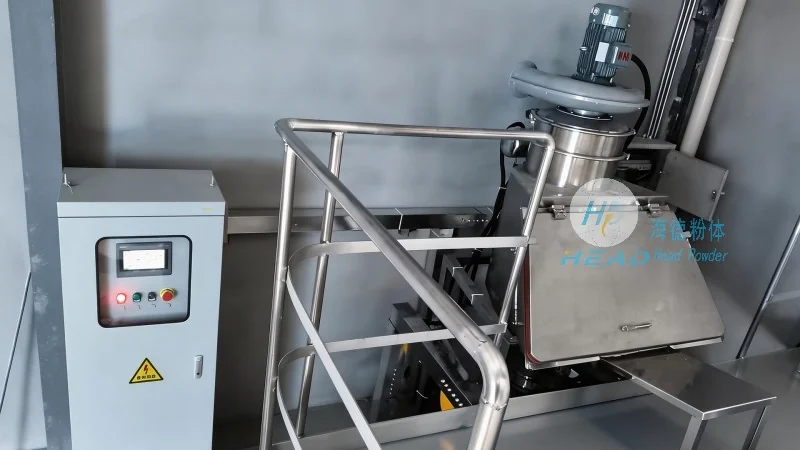
Shandong HeadPowder Engineering Co., Ltd. systems are engineered with several distinct features that enhance performance and operational efficiency. One of the primary advantages is the ability to handle light-weight, low-density powders that are difficult to transport using traditional methods. The systems are designed to minimize material degradation and contamination, which is critical for pharmaceutical, food, and chemical industries where product quality is paramount. Additionally, the pneumatic conveying process offers a high degree of flexibility in terms of layout and integration with existing production lines. The systems are also equipped with advanced control mechanisms that allow for precise regulation of airflow and material flow rates, ensuring consistent and reliable operation. Another notable feature is the low maintenance requirement, as the absence of moving parts reduces the risk of mechanical failure and simplifies routine upkeep. Environmental considerations are also addressed, as the systems can be configured with dust collection and filtration systems to meet regulatory standards and maintain a clean working environment.
Technical Specifications and Application Scenarios
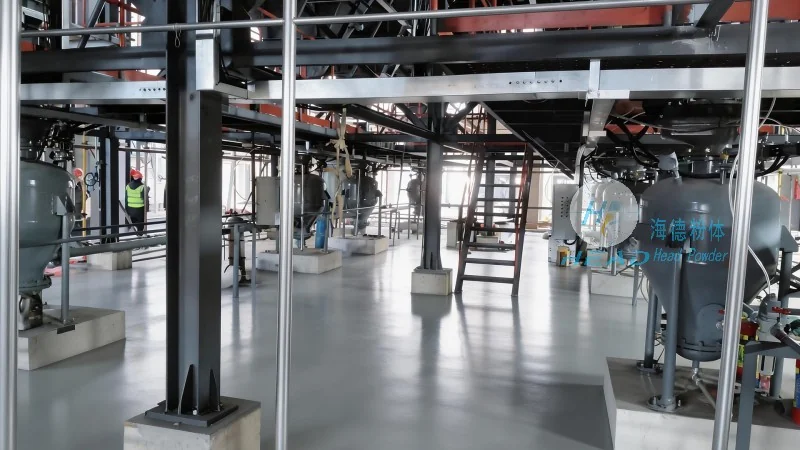
The technical specifications of light-weight micropowder pneumatic conveying systems vary based on the specific material being handled and the required conveying distance. Key parameters include the air flow rate, which is determined by the material's bulk density and particle size, the system pressure (either positive or negative pressure), and the pipeline diameter. For example, systems designed for conveying very fine powders like talc or calcium carbonate may require higher air velocities to ensure proper entrainment. The conveying distance can range from short, in-plant transfers to long-distance transport over several hundred meters. Applications for these systems span multiple industries, including pharmaceutical manufacturing, food processing, chemical production, and mining. In pharmaceuticals, the systems are used to transport active pharmaceutical ingredients (APIs) and excipients with strict purity requirements. In the food industry, they handle ingredients like sugar, flour, and spices, where hygiene and contamination control are essential. Chemical manufacturers utilize these systems for transporting catalysts, pigments, and other fine chemicals, where consistent quality and low contamination are critical. The systems are also employed in mining operations to transport ore powders from processing plants to storage or further processing facilities.
Conclusion and Company Overview
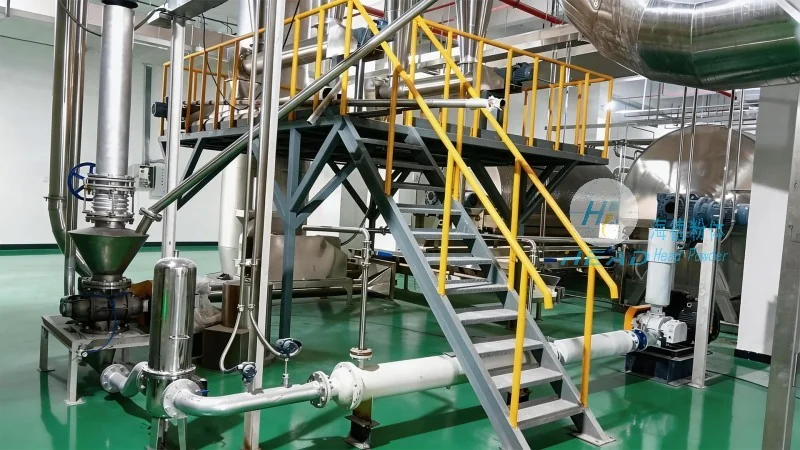
Light-weight micropowder pneumatic conveying systems, as developed by Shandong HeadPowder Engineering Co., Ltd., offer a robust and efficient solution for the challenging task of transporting fine powders. By leveraging pneumatic transport principles, these systems provide advantages such as high material purity, low maintenance, and flexible integration into production processes. The working principle, centered on air-induced material transport, ensures reliable operation across various applications and industries. The key features, including advanced control, environmental compliance, and adaptability, make these systems suitable for a wide range of operational needs. As a company based in China, Shandong HeadPowder Engineering Co., Ltd. continues to innovate and provide tailored solutions to meet the evolving demands of the industry, ensuring that clients can achieve optimal performance and reliability in their material handling operations.