

Working Principle and Features of Carbon Particle Pneumatic Conveying Equipment
Carbon particle pneumatic conveying equipment is a specialized system designed for the efficient transportation of carbon-based particles. This technology is widely used in industries such as carbon manufacturing, chemical processing, and material handling. The equipment operates by utilizing air or gas to move solid particles through a pipeline system, offering a flexible and often cleaner alternative to traditional mechanical conveying methods. Understanding the working principle and key features of this equipment is crucial for selecting the right solution for specific industrial applications.
Working Principle of Carbon Particle Pneumatic Conveying Equipment
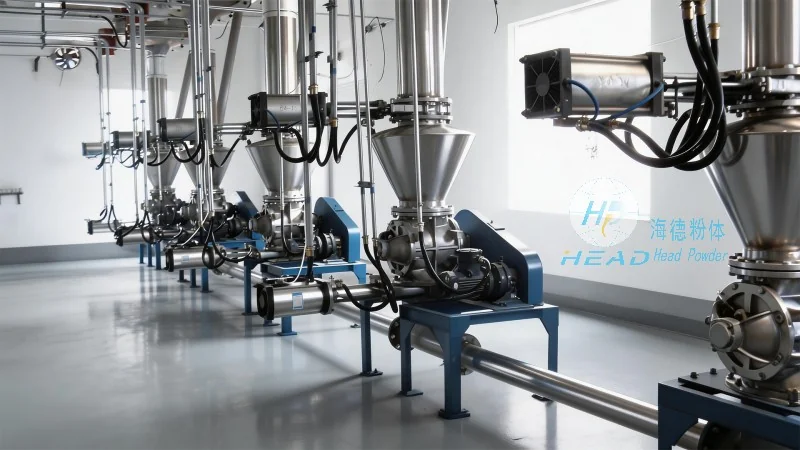
The core mechanism of carbon particle pneumatic conveying equipment involves the creation of a pressure differential or vacuum to transport particles. There are primarily two types of systems: pressure and vacuum. In a pressure system, air is compressed and introduced into the conveying line at the discharge end, pushing the particles forward. Conversely, a vacuum system draws air and particles into the line from the inlet, creating a negative pressure that pulls the material through. The process typically starts with the loading of carbon particles into a hopper or feeder. From there, the particles are fed into the conveying line, where they are mixed with the air stream. The air velocity is carefully controlled to ensure that the particles remain suspended and move smoothly without clogging or degradation. The equipment may include components such as rotary valves, filters, and cyclones to manage the flow and separation of particles from the air. The entire system is designed to maintain consistent particle size distribution and prevent blockages, which are critical for maintaining operational efficiency.
Key Features of Carbon Particle Pneumatic Conveying Equipment
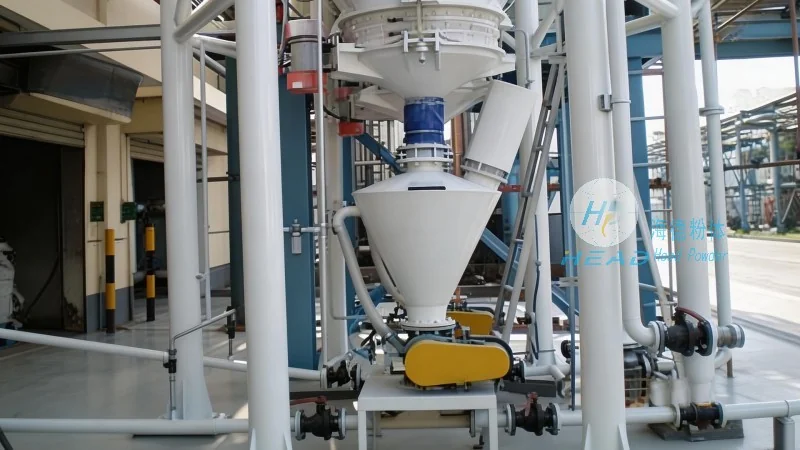
Several notable features distinguish carbon particle pneumatic conveying equipment from other conveying methods. One of the most significant advantages is its ability to handle fine or abrasive carbon particles without causing wear and tear on the system components. The equipment is also highly flexible, allowing for changes in the conveying distance and layout without major modifications. Additionally, it provides a relatively clean and dust-free operation, which is essential for maintaining environmental standards and worker safety in industrial settings. The system can be equipped with advanced controls that monitor pressure, flow rate, and particle concentration in real-time, enabling precise adjustments to optimize performance. Another key feature is the ability to integrate with other processing equipment, such as mixers or reactors, creating a seamless material handling process. The equipment is also designed for durability, with materials like stainless steel and special coatings used to resist corrosion and abrasion from carbon particles. This ensures a long service life and minimal maintenance requirements, contributing to overall cost-effectiveness.
Applications and Benefits in Industrial Settings
Carbon particle pneumatic conveying equipment is widely applied in various industrial processes involving carbon materials. For instance, in the production of carbon black, the equipment efficiently transports fine carbon particles from reactors to storage tanks or processing units. In chemical plants, it facilitates the handling of carbon-based reagents, ensuring consistent and safe material transfer. The benefits of using this equipment extend beyond efficiency; it also enhances safety by reducing the risk of dust explosions and minimizing manual handling of hazardous materials. The system's ability to maintain particle integrity is particularly valuable in applications where the carbon particles need to remain in a specific size range for downstream processing. Furthermore, the flexibility of the pneumatic system allows for easy adaptation to changing production demands, making it a reliable choice for dynamic industrial environments.
Conclusion and Company Overview
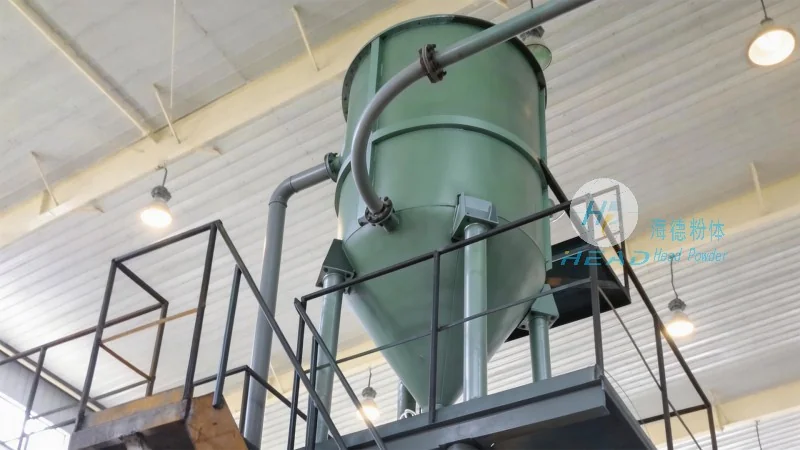
Carbon particle pneumatic conveying equipment represents a sophisticated solution for the efficient and safe transportation of carbon-based particles. Its working principle, centered on air or gas movement, combined with key features like durability, flexibility, and environmental friendliness, makes it an ideal choice for modern industrial applications. As a leading provider in this field, Shandong HeadPowder Engineering Co., Ltd. specializes in designing and manufacturing such equipment tailored to the specific needs of clients. With a focus on quality and innovation, the company ensures that its products meet the highest standards of performance and reliability. Based in Shandong, China, HeadPowder leverages its expertise to deliver comprehensive solutions that enhance operational efficiency and safety in carbon processing industries. The company's commitment to customer satisfaction and technological advancement positions it as a trusted partner for businesses seeking reliable pneumatic conveying systems.