Understanding the working principle and characteristics of PVC granule material handling is essential for optimizing industrial processes across various sectors. This article provides a comprehensive overview of how PVC granules are transported, the mechanisms involved, and the key attributes that define effective material handling systems for this specific type of material.
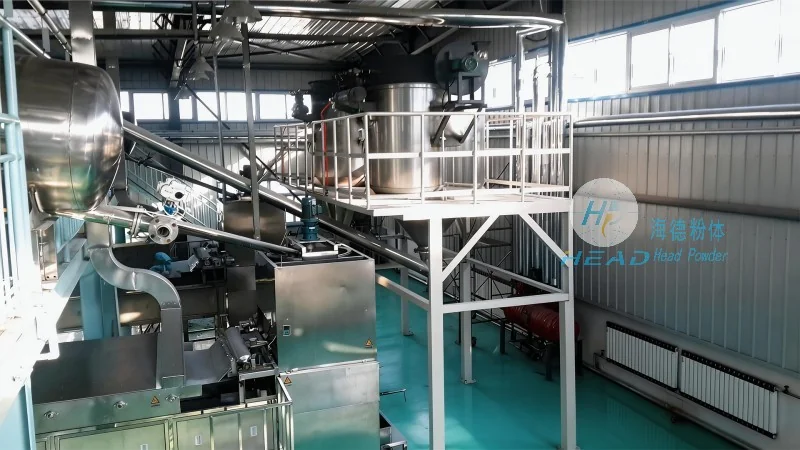
Working Principle of PVC Granule Material Handling
PVC granule material handling typically relies on specialized equipment designed to transport these small, solid particles efficiently. The most common methods include mechanical conveyors such as screw conveyors and pneumatic conveying systems. Each method operates on distinct principles to ensure smooth and reliable transport.
For example, screw conveyors utilize a rotating helical screw to push the PVC granules forward along a tube or trough. The rotation of the screw creates a continuous movement, allowing the material to be elevated or moved horizontally. This mechanism is particularly effective for handling bulk quantities of PVC granules with minimal spillage and low maintenance requirements.
Pneumatic conveying systems, conversely, rely on the force of compressed air or gas to transport the granules through a pipeline. The PVC granules are suspended in the air stream and carried to the destination. This method is ideal for applications requiring dust-free environments or long-distance transport, as it minimizes contact with the environment and reduces the risk of contamination.
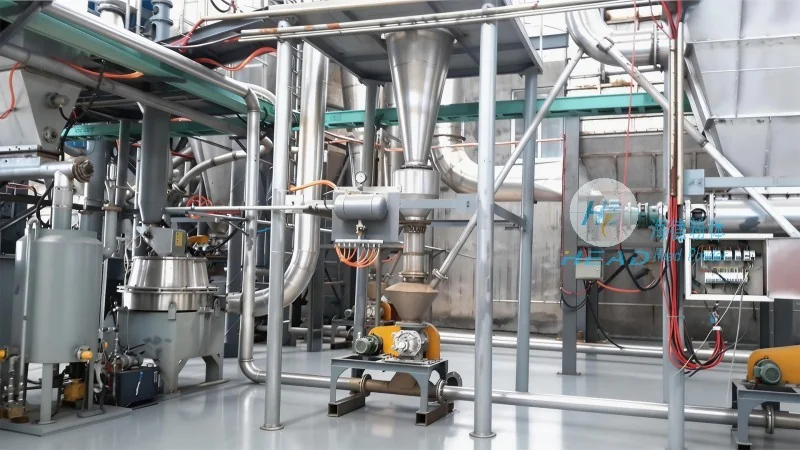
Key Characteristics of PVC Granule Material Handling Systems
Effective PVC granule material handling systems exhibit several critical characteristics that enhance operational efficiency and product quality. These features are tailored to the unique properties of PVC granules, such as their size, density, and tendency to clump or stick.
Firstly, these systems are engineered for high efficiency and low energy consumption. Advanced designs, including variable-speed drives and optimized screw geometries, help reduce power usage while maintaining consistent material flow rates. This not only lowers operational costs but also supports sustainability goals in industrial settings.
Secondly, they offer excellent adaptability to different processing requirements. Many systems are equipped with adjustable parameters, allowing operators to modify speed, pressure, or conveyor dimensions based on the specific characteristics of the PVC granules being handled. This flexibility ensures that the system can accommodate changes in production volume or material composition without significant downtime.
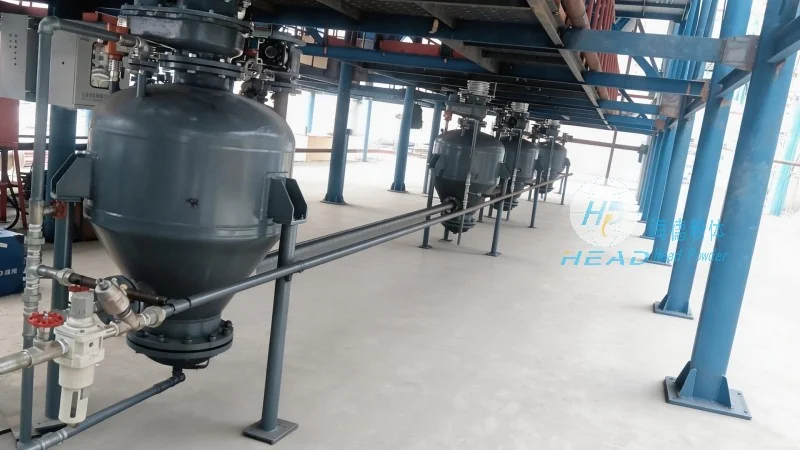
Thirdly, material handling systems for PVC granules prioritize low material loss and minimal contamination. The use of sealed conveyors and air filtration systems helps prevent dust emissions and cross-contamination, which is crucial for maintaining product purity and meeting regulatory standards. Additionally, features like anti-stick coatings and smooth surfaces reduce the likelihood of granule buildup or clogging, ensuring continuous operation.
Application and Industry Relevance
PVC granule material handling plays a vital role in industries such as construction, automotive, and manufacturing, where PVC is a primary component in products like pipes, flooring, and plastic products. The efficient transport of these granules directly impacts production throughput and overall product quality. By understanding the working principles and characteristics of these systems, businesses can select the most appropriate equipment to meet their specific needs and optimize their manufacturing processes.
Shandong HeadPowder Engineering Co., Ltd., a leading provider in this field, specializes in designing and manufacturing customized material handling solutions tailored to the unique demands of PVC granule processing. With a focus on innovation and quality, the company ensures that its systems deliver reliable performance and meet the highest industry standards. Based in Shandong, China, HeadPowder leverages its expertise to help clients enhance their operational efficiency and achieve sustainable growth in the PVC industry.




