Pneumatic conveying is a widely used method for transporting bulk materials, including iron oxide, from one location to another. This technology involves the use of air or other gases to move particles through a pipeline system. For iron oxide, which is often used in various industrial applications such as pigments, coatings, and ceramics, efficient and reliable material handling is crucial. The process of pneumatic conveying for iron oxide materials combines several key components and operational principles to ensure smooth and effective transport.
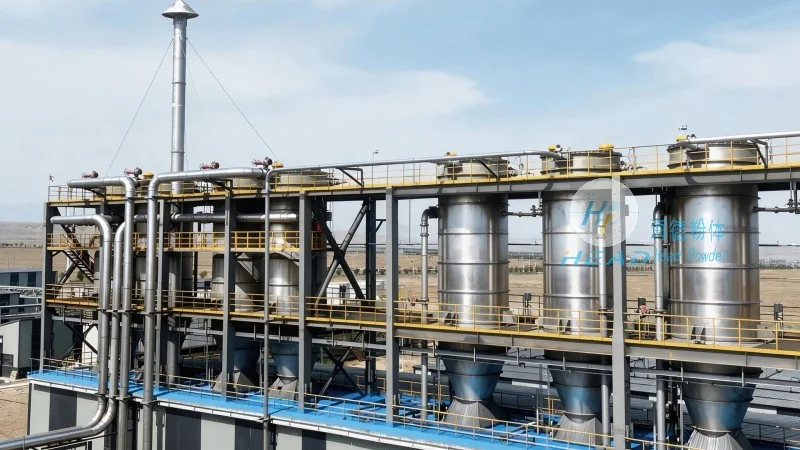
Working Principle of Pneumatic Conveying for Iron Oxide
The core of pneumatic conveying for iron oxide materials is the creation of a flow of air that carries the iron oxide particles through a pipeline. The system typically consists of a blower or compressor that generates the necessary air pressure. As the air moves through the pipeline, it picks up iron oxide particles from a hopper or storage bin. The velocity of the air is critical; it must be sufficient to lift and transport the particles without causing excessive wear or degradation of the material. The process can be categorized into two main types: dilute phase and dense phase, each with distinct characteristics and applications.
In dilute phase pneumatic conveying, the iron oxide particles are suspended in the air stream as a fine mist. This method is suitable for long-distance transport and when the material is relatively light. The air velocity is high, typically between 20 to 30 meters per second, ensuring that the particles remain in suspension. In contrast, dense phase conveying uses lower air velocities and higher particle concentrations, which results in a more stable flow and reduces the risk of particle degradation. For iron oxide, which can be abrasive, dense phase systems are often preferred to minimize wear on the pipeline and equipment.
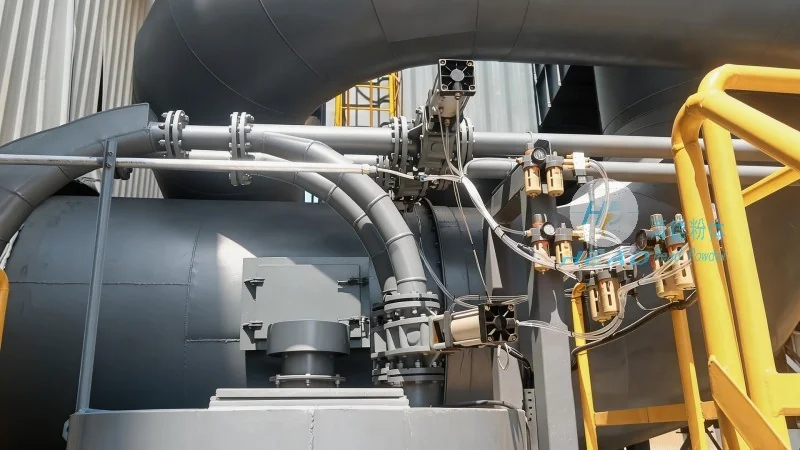
Key Characteristics of Pneumatic Conveying for Iron Oxide
Several important characteristics define the performance of pneumatic conveying systems for iron oxide materials. First, the system's efficiency in terms of energy consumption and material handling speed is a major factor. Pneumatic conveying can achieve high throughput rates, making it ideal for large-scale industrial operations. Second, the system's ability to handle abrasive materials like iron oxide is critical. The design of the pipeline, including the use of corrosion-resistant materials and wear-resistant components, ensures longevity and reduces maintenance costs. Third, the system's flexibility in terms of layout and integration with existing facilities is another advantage. Pneumatic conveying can be easily adapted to different plant configurations, allowing for seamless integration with other processing equipment.
Another key characteristic is the system's ability to maintain the quality of the iron oxide material during transport. Since iron oxide is often used in applications where purity and particle size distribution are critical, the conveying process must avoid contamination or degradation. The use of closed systems and proper filtration helps to ensure that the material remains in its original state. Additionally, the system's control mechanisms, such as variable speed drives and pressure sensors, allow for precise regulation of the conveying process, ensuring consistent performance and minimizing downtime.
Applications and Benefits of Pneumatic Conveying for Iron Oxide
Pneumatic conveying systems for iron oxide find applications in various industries. In the pigment industry, iron oxide is used to produce colored pigments for paints, coatings, and plastics. The ability to transport iron oxide efficiently to production lines is essential for maintaining production rates. In the ceramics industry, iron oxide is used as a colorant in glazes and bodies. Pneumatic conveying allows for the precise delivery of iron oxide to kilns and mixing equipment, ensuring consistent coloration. Additionally, in the construction industry, iron oxide is used as a pigment in concrete and mortar, and the system helps in delivering the material to construction sites.
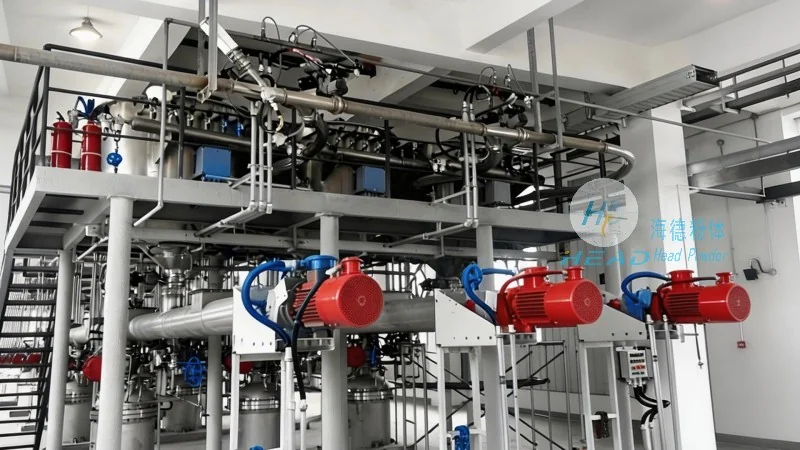
The benefits of using pneumatic conveying for iron oxide extend beyond just material handling. The system reduces the need for manual handling, which improves workplace safety and reduces labor costs. It also minimizes material loss and contamination, which is crucial for maintaining product quality. Furthermore, the system's compact design allows for space-saving installations, which is beneficial in facilities with limited space. The ability to integrate with automated control systems also enhances overall operational efficiency.
About Shandong HeadPowder Engineering Co., Ltd.
Shandong HeadPowder Engineering Co., Ltd., operating under the brand name headpowder, is a leading provider of pneumatic conveying solutions for various bulk materials, including iron oxide. With a focus on innovation and quality, the company has developed advanced systems that meet the specific needs of industrial applications. Headpowder's expertise in material handling technology ensures that their pneumatic conveying systems are efficient, reliable, and cost-effective. The company's commitment to customer satisfaction and technical support has made it a trusted partner for many industries. Located in Shandong, China, HeadPowder Engineering Co., Ltd. leverages its local expertise and resources to deliver high-quality products and services to clients worldwide.




