Understanding the pneumatic conveying of nitrogen oxide reduction agent materials is crucial for optimizing industrial processes in power plants and other facilities that employ selective catalytic reduction (SCR) systems. This method of material handling offers a reliable and efficient approach to transporting these critical chemicals, which are essential for reducing nitrogen oxide emissions. The following sections will delve into the working principle and key characteristics of this technology, providing insights into its operational efficiency and practical applications.
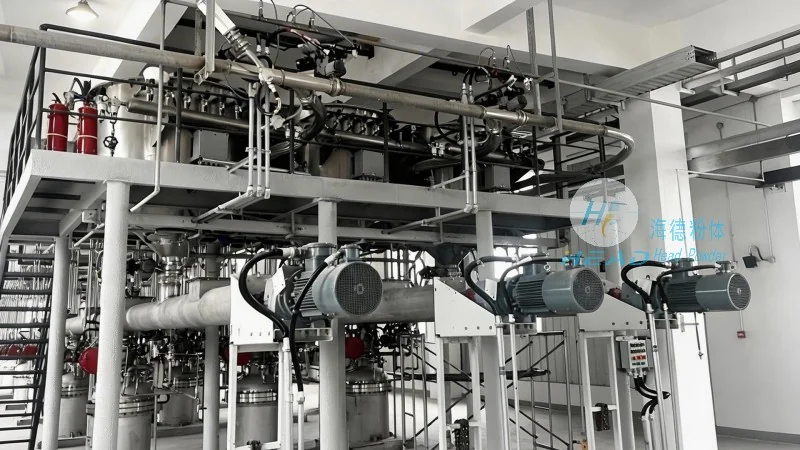
Working Principle of Pneumatic Conveying for Nitrogen Oxide Reduction Agent Materials
The pneumatic conveying system for nitrogen oxide reduction agent materials operates by using a combination of air or gas as the conveying medium to transport the solid particles of the agent. The process typically involves a few key components: a material feed hopper, a conveying line (often equipped with a venturi or other air acceleration devices), and a discharge point. The working principle can be broken down into several stages:
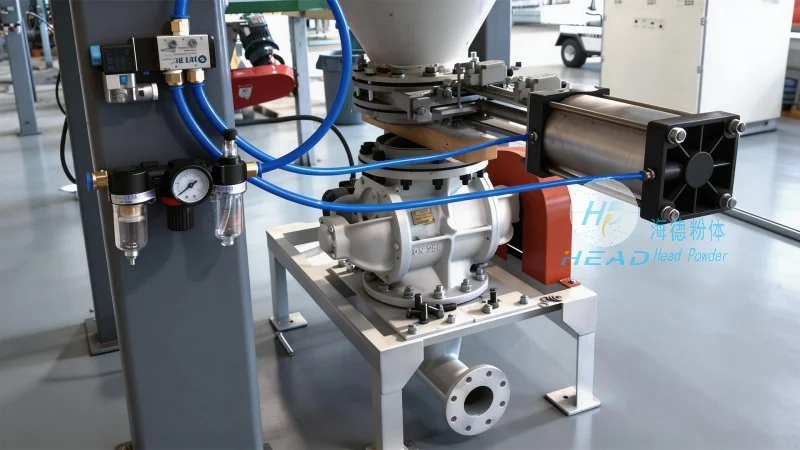
1. Material Loading: The nitrogen oxide reduction agent, often in the form of a powder or granules, is loaded into the feed hopper. This hopper is designed to maintain a consistent material level and can be equipped with a rotary valve or other feeding mechanisms to control the flow rate.
2. Air Injection and Acceleration: Compressed air or gas is introduced into the conveying line at a specific pressure and velocity. The air flow accelerates the material particles, creating a slurry or suspension that moves through the pipeline. The venturi or other air acceleration devices help to increase the air velocity, ensuring that the particles are carried along with the air stream.
3. Transport and Delivery: The air-particle mixture travels through the conveying line to the discharge point, which may be a storage silo, a dosing system, or another processing unit. The system is designed to maintain a stable flow rate and pressure, minimizing the risk of material blockages or air leakage.
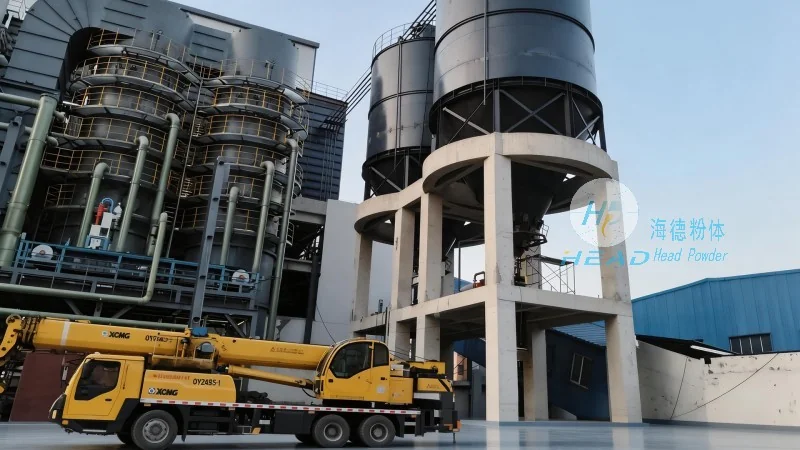
4. Separation and Air Recovery: At the discharge point, the material is separated from the air stream, often through a cyclone separator or other filtration equipment. The separated air is then recovered and recycled back into the system, reducing energy consumption and operational costs.
Key Characteristics of Pneumatic Conveying for Nitrogen Oxide Reduction Agent Materials
The pneumatic conveying of nitrogen oxide reduction agent materials exhibits several distinct characteristics that make it an attractive option for industrial applications:
1. Efficiency and Reliability: This method offers high material transport efficiency, with minimal material loss and low maintenance requirements. The system is designed to handle a wide range of particle sizes and densities, ensuring consistent performance over time.
2. Flexibility in Layout: Pneumatic conveying systems can be configured in various layouts, including horizontal, vertical, or mixed configurations, to accommodate different plant layouts and space constraints. This flexibility allows for integration into existing facilities without major structural modifications.
3. Reduced Downtime: Unlike traditional mechanical conveying systems, pneumatic conveying does not require moving parts in the conveying line, reducing the risk of mechanical failure and minimizing downtime for maintenance.
4. Environmental Benefits: By using compressed air as the conveying medium, the system reduces the need for additional equipment such as conveyors or elevators, which can contribute to lower energy consumption and reduced environmental impact. Additionally, the air recovery system helps to minimize air emissions and improve overall energy efficiency.
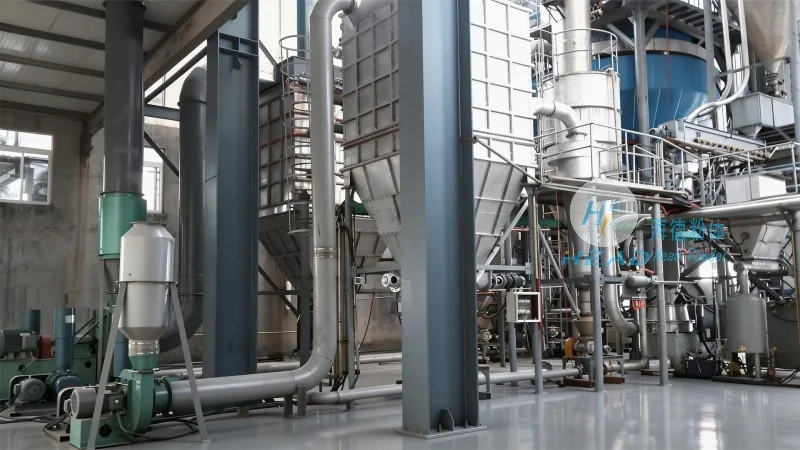
5. Control and Monitoring: Modern pneumatic conveying systems are equipped with advanced control and monitoring systems that allow for real-time adjustment of flow rates, pressure, and other parameters. This enables operators to optimize the system performance and ensure consistent material delivery to downstream processes.
Applications and Benefits in Industrial Settings
The pneumatic conveying of nitrogen oxide reduction agent materials is widely used in power plants, chemical manufacturing facilities, and other industrial settings where SCR systems are employed. The benefits of this technology include improved process control, reduced labor costs, and enhanced safety due to the enclosed system design, which minimizes dust exposure and material handling risks.
For facilities looking to enhance their nitrogen oxide reduction processes, pneumatic conveying offers a reliable and efficient solution. By understanding the working principle and characteristics of this technology, plant operators can make informed decisions about system design and operation, leading to improved overall performance and compliance with environmental regulations.
About Shandong HeadPowder Engineering Co., Ltd.
Shandong HeadPowder Engineering Co., Ltd., operating under the brand name HeadPowder, is a leading provider of engineering solutions for material handling and processing. With a focus on innovation and customer satisfaction, the company specializes in the design, manufacturing, and installation of pneumatic conveying systems for various industrial applications. HeadPowder's expertise in material handling technology ensures that clients receive tailored solutions that meet their specific operational needs and regulatory requirements. The company's commitment to quality and reliability has made it a trusted partner for facilities worldwide, helping to optimize material transport processes and improve overall operational efficiency.




