Understanding the mechanisms and attributes of pneumatic conveying for lightweight aggregate materials is crucial for industries that rely on efficient material handling solutions. This article explores the fundamental working principles and distinctive features of such systems, providing insights into how they operate and why they are preferred in various applications.
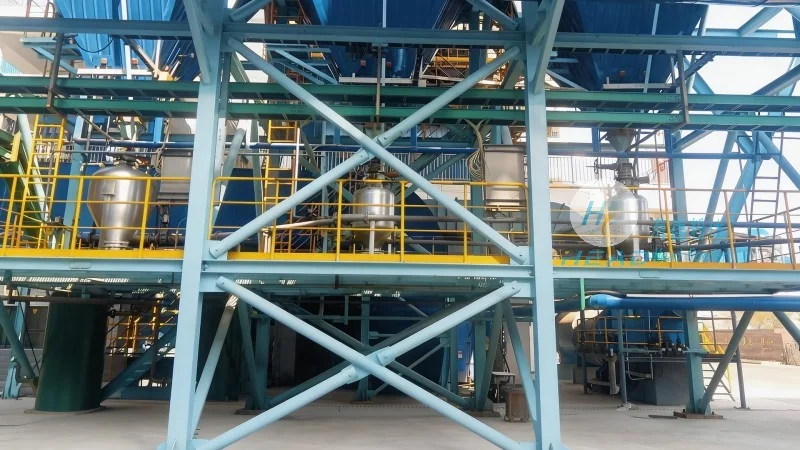
Working Principle of Pneumatic Conveying for Lightweight Aggregates
Pneumatic conveying systems utilize air or gas to transport bulk materials, including lightweight aggregates, through a network of pipes. The process typically involves either positive pressure or negative pressure (or a combination of both) to move the material from the source to the destination. For lightweight aggregates, which often have lower density and different flow characteristics compared to traditional bulk materials, specialized designs are employed to ensure effective and reliable transport.
Positive pressure systems, also known as pressure conveying, operate by blowing air or gas into the material to create a flow. The material is then carried along the pipeline by the moving air stream. This method is particularly effective for transporting lightweight aggregates over longer distances or through complex piping networks. Negative pressure systems, or vacuum conveying, draw material into the system using a vacuum created by a fan or pump. This approach is often used for shorter distances or when the material needs to be collected from multiple points.
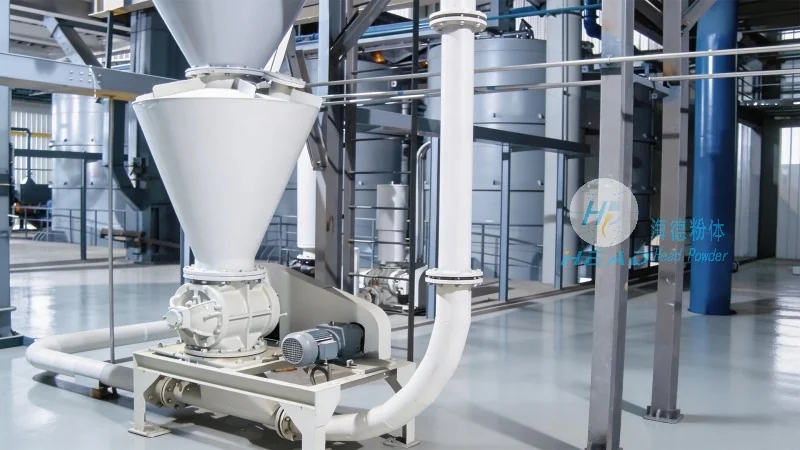
The working principle for lightweight aggregates may also involve considerations such as the material's particle size, shape, and moisture content. These factors influence the air velocity required to maintain a stable flow and prevent material deposition or blockages. Advanced systems may incorporate features like air classifiers or cyclones to separate fine particles from the bulk material, ensuring consistent quality and preventing system clogs.
Key Characteristics of Pneumatic Conveying Systems for Lightweight Aggregate Materials
Pneumatic conveying systems for lightweight aggregates exhibit several key characteristics that make them advantageous in industrial applications. One of the primary advantages is their ability to handle materials with varying properties, including those that are dusty or have a tendency to settle. The enclosed pipeline design minimizes dust emissions and environmental impact, aligning with modern sustainability standards.
Efficiency is another critical characteristic. These systems can transport lightweight aggregates with minimal energy consumption compared to traditional methods like bucket elevators or belt conveyors. The continuous flow and reduced maintenance requirements contribute to lower operational costs over time. Additionally, the flexibility of pneumatic conveying allows for easy integration with existing production lines or expansion of the system as needed.
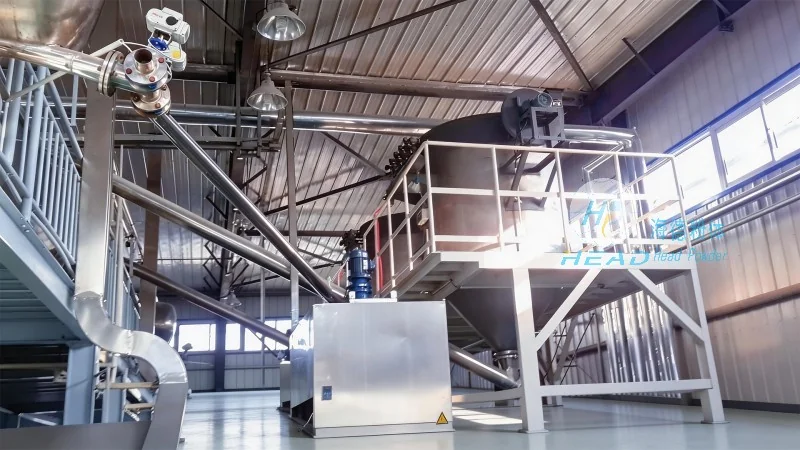
Another notable feature is the ability to handle materials in a hygienic and controlled environment. This is particularly important for lightweight aggregates used in construction or industrial applications where contamination must be avoided. The sealed system prevents cross-contamination and ensures that the material remains clean throughout the conveying process.
System reliability and durability are also important characteristics. High-quality materials and robust construction ensure that the equipment can withstand the demands of continuous operation, even with abrasive or lightweight aggregates. Regular maintenance and proper system design contribute to long-term performance and reduced downtime.
Company Profile: Shandong HeadPowder Engineering Co., Ltd.
Shandong HeadPowder Engineering Co., Ltd., commonly known as HeadPowder, is a leading provider of engineering solutions for material handling systems, including pneumatic conveying technologies for lightweight aggregates. The company specializes in designing, manufacturing, and installing customized conveying systems tailored to the specific needs of clients in various industries.
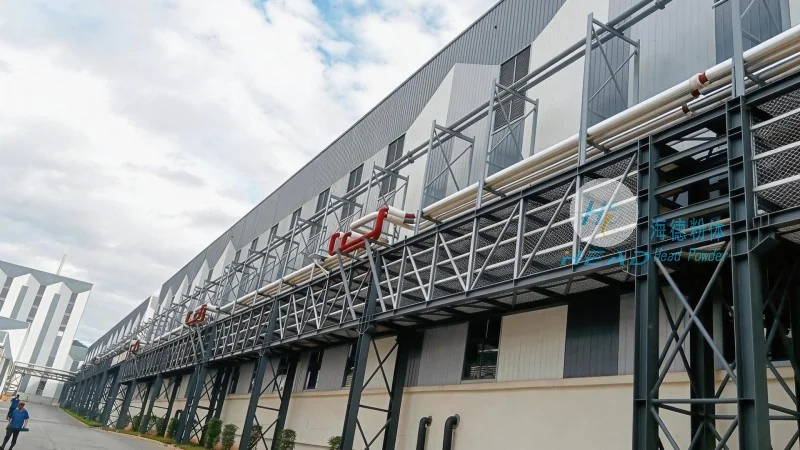
HeadPowder's expertise lies in understanding the unique challenges associated with handling lightweight aggregates, such as their low density and potential for dust generation. By leveraging advanced engineering and material science, the company develops innovative solutions that optimize material transport efficiency while minimizing environmental impact.
Address and Location
HeadPowder is located in Shandong, China, providing a strategic base for serving clients both domestically and internationally. The company's facilities are equipped with state-of-the-art technology and skilled personnel to ensure high-quality manufacturing and installation of pneumatic conveying systems.




