HeadPowder, a leading provider of material handling solutions, specializes in advanced pneumatic conveying systems for various industrial applications. This article explores the working principle and key characteristics of pneumatic conveying systems designed for PVC resin powder, a critical component in the manufacturing of plastic products. By understanding these aspects, industries can optimize their material handling processes, enhance efficiency, and ensure product quality.
Understanding Pneumatic Conveying Systems for PVC Resin Powder
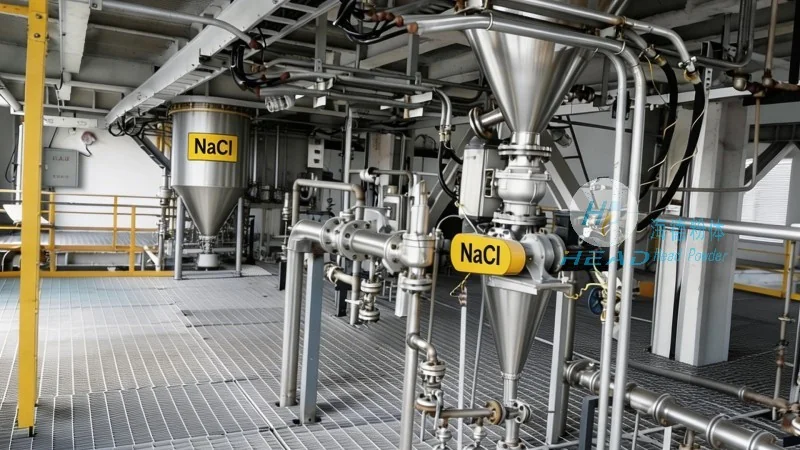
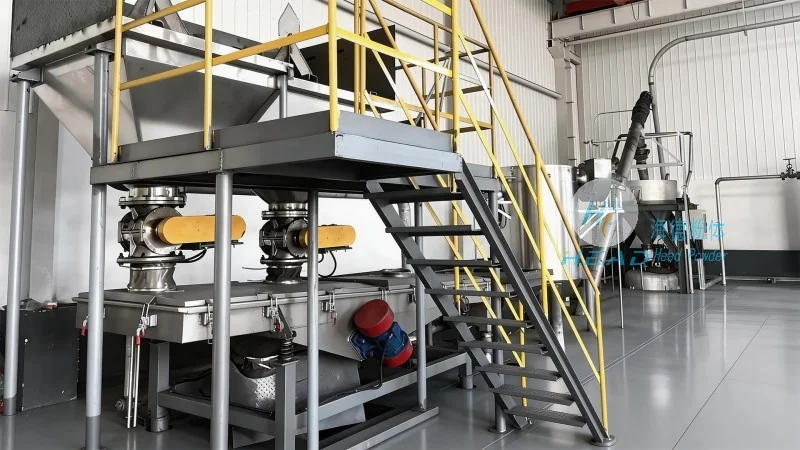
Pneumatic conveying is a method of transporting bulk materials, such as PVC resin powder, through a pipeline using air or gas as the conveying medium. This technology offers a flexible and efficient solution for moving powders over short to medium distances, often replacing traditional mechanical conveyors. The system typically consists of a hopper, a conveyor line, and a receiver, with the entire process controlled by a series of valves and a blower or vacuum pump.
The Working Principle of PVC Resin Powder Pneumatic Conveying
The core of pneumatic conveying for PVC resin powder involves creating a flow of air within the pipeline that lifts and transports the powder particles. There are two primary types of pneumatic conveying systems: positive pressure and negative pressure. Positive pressure systems use a blower to generate air pressure that pushes the material through the pipeline, while negative pressure systems employ a vacuum pump to create a suction that draws the material into the line.
For PVC resin powder, positive pressure systems are commonly preferred due to their ability to handle abrasive materials and maintain consistent flow rates. The process begins with the PVC resin powder being fed into the hopper. As the blower operates, air is introduced into the conveyor line, creating a pressure differential that lifts the powder particles. The powder is then carried through the pipeline to the receiver, where it is deposited. The system ensures that the powder moves smoothly without clogging or degradation, thanks to the controlled air flow and appropriate pipeline design.
Key Characteristics of PVC Resin Powder Pneumatic Conveying
Several distinct characteristics make pneumatic conveying an ideal choice for handling PVC resin powder. First, it offers high efficiency in material transport, as the system can move large volumes of powder quickly and with minimal labor. Second, it provides a clean and hygienic environment, which is crucial for maintaining the purity of PVC resin, especially in applications where contamination could affect the final product quality. Third, the system is flexible and can be easily integrated into existing production lines, allowing for adjustments in conveyor length, direction, and capacity.
Another significant characteristic is the ability to handle a wide range of particle sizes and moisture content. PVC resin powder can vary in particle size, and the pneumatic system is designed to accommodate these variations without compromising performance. Additionally, the system can be equipped with filtration and dust collection mechanisms to ensure that the air discharged is clean, reducing environmental impact and meeting regulatory standards.
Benefits of Using Pneumatic Conveying for PVC Resin Powder Handling
Implementing pneumatic conveying systems for PVC resin powder offers numerous benefits for industrial operations. One of the most notable advantages is the reduction in labor costs and operational complexity. Unlike mechanical conveyors that require regular maintenance and adjustments, pneumatic systems operate with minimal moving parts, leading to lower maintenance requirements and longer service life. This translates to significant cost savings over the system's lifespan.
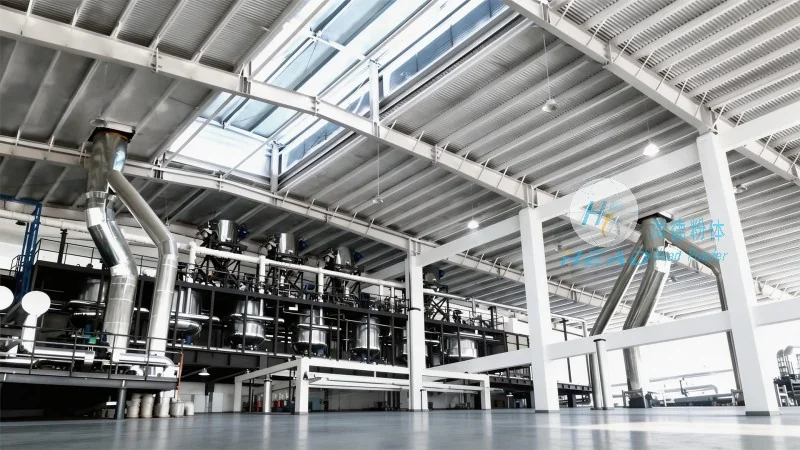
Furthermore, the system enhances product quality by preventing contamination and degradation. The enclosed pipeline design ensures that the PVC resin powder remains isolated from external elements, such as moisture, dust, or other contaminants. This is particularly important in the PVC manufacturing industry, where even small amounts of impurities can affect the properties of the final plastic products. The system also minimizes product degradation due to the gentle handling of the powder, which is achieved through the controlled air flow and smooth pipeline surfaces.
Operational flexibility is another key benefit. Pneumatic conveying systems can be easily reconfigured to adapt to changes in production needs, such as increasing or decreasing the volume of PVC resin powder being transported. This adaptability allows manufacturers to scale their operations without significant investments in new equipment. Additionally, the system can handle multiple destinations, allowing for the distribution of PVC resin powder to various parts of the production facility or even to different production lines.
Conclusion
Shandong HeadPowder Engineering Co., Ltd., based in China, is a trusted partner in providing advanced pneumatic conveying solutions for PVC resin powder applications. By leveraging the working principles and characteristics of pneumatic conveying, industries can achieve efficient, clean, and reliable material handling. The company's expertise in designing and manufacturing customized pneumatic systems ensures that clients receive solutions tailored to their specific needs, optimizing their production processes and enhancing overall operational efficiency.




