Carbon material pneumatic conveying systems are advanced industrial solutions designed to transport carbon-based materials efficiently and safely. These systems utilize air or other gases as the primary medium to move powders, granules, or other particulate materials from one location to another. The technology is widely adopted in industries such as carbon manufacturing, chemical processing, and material handling due to its versatility and effectiveness.
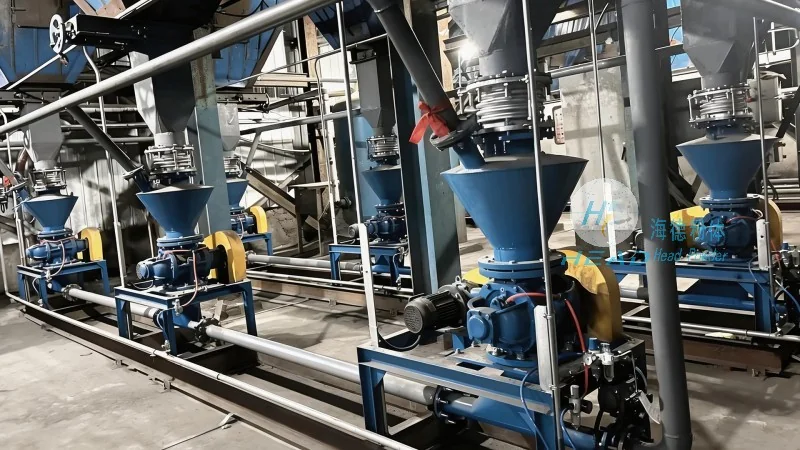
Working Principle of Pneumatic Conveying Systems
The core mechanism of a carbon material pneumatic conveying system involves the creation of a pressure differential between the inlet and outlet of the system. Air is typically supplied by a blower or compressor, generating a flow that draws or pushes the carbon material through a pipeline. The system can operate in either positive pressure (pressure conveying) or negative pressure (vacuum conveying) modes, depending on the application requirements. In positive pressure systems, the air is pressurized and forced through the pipeline, carrying the material along. In contrast, negative pressure systems use a vacuum to pull the material into the system. The choice between these modes depends on factors like material properties, distance, and system layout. For carbon materials, which often have specific flow characteristics, the system design must account for issues like static electricity, dust explosion risks, and material agglomeration to ensure stable operation.
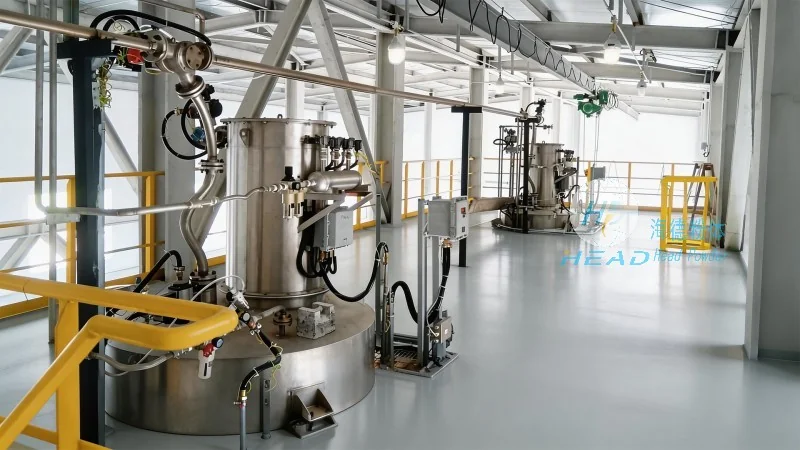
Key Features and Advantages
Carbon material pneumatic conveying systems offer several distinct advantages that make them preferable to traditional mechanical conveying methods. One of the most significant benefits is the ability to handle fine or abrasive carbon powders without causing excessive wear on equipment. The enclosed pipeline design minimizes dust emissions, enhancing workplace safety and environmental compliance. Additionally, these systems can transport materials over long distances with minimal energy consumption compared to other methods like belt conveyors or bucket elevators. The flexibility of pneumatic conveying allows for easy integration with existing production lines, and the system can be adapted to handle varying material flow rates and compositions. Another key feature is the ability to control the material flow precisely, which is crucial for processes that require accurate dosing or mixing. This precision helps maintain product quality and consistency, reducing waste and improving overall process efficiency.
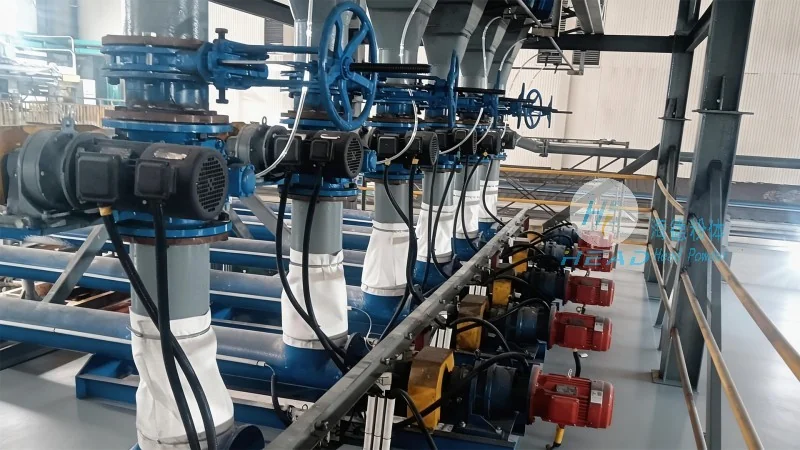
Application-Specific Considerations
When implementing a carbon material pneumatic conveying system, several factors must be considered to ensure optimal performance. Material properties, such as particle size distribution, density, and moisture content, directly impact the system's design. For example, fine carbon powders may require higher air velocities to prevent clogging, while larger granules might need a different blower capacity. The system's layout, including the number and length of pipelines, elbows, and bends, affects the pressure drop and overall energy usage. Proper sealing and maintenance of the pipeline connections are critical to prevent air leakage, which can reduce conveying efficiency and increase energy costs. Furthermore, the system must be equipped with safety features to mitigate risks associated with carbon materials, such as dust explosion prevention measures and static discharge systems. These considerations ensure that the system operates reliably and safely, meeting both operational and regulatory requirements.
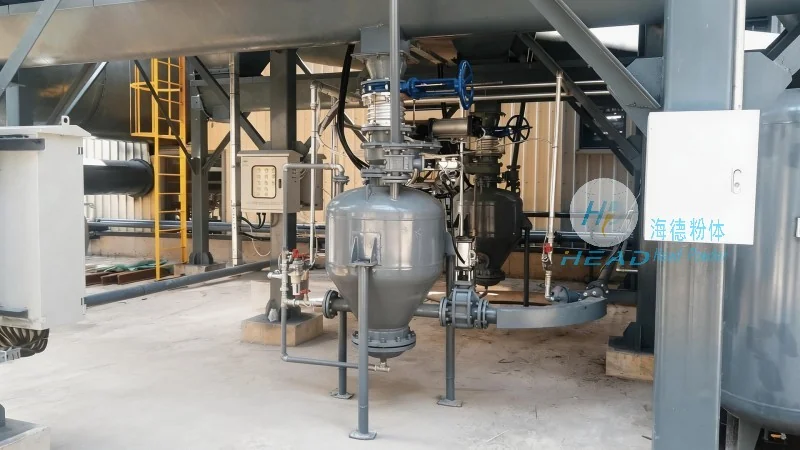
Conclusion and Company Overview
Carbon material pneumatic conveying systems represent a sophisticated solution for efficient material handling in the carbon industry. By leveraging air as the conveying medium, these systems offer advantages in terms of efficiency, safety, and flexibility. The working principle, which relies on pressure differentials and controlled air flow, enables the reliable transport of carbon-based materials while minimizing environmental impact. The key features, including enclosed pipelines, precise control, and adaptability, make them suitable for a wide range of applications. When selecting or designing a pneumatic conveying system for carbon materials, it is essential to consider material properties, system layout, and safety measures to achieve optimal performance. Shandong HeadPowder Engineering Co., Ltd., a leading provider in this field, specializes in developing customized solutions tailored to the unique needs of carbon material processing. With a focus on innovation and quality, the company ensures that its systems meet the highest standards of efficiency and safety, supporting the operational success of its clients in the carbon industry.




