For industrial applications involving the handling of PTA (Polyethylene Terephthalate Acid) powder, efficient and reliable material transport is crucial. PTA powder material pneumatic conveying systems offer a sophisticated solution to this challenge, combining advanced engineering with practical design to ensure optimal performance. This article explores the working principle and key features of such systems, highlighting how they address the unique demands of PTA powder handling in industrial settings. Developed by Shandong HeadPowder Engineering Co., Ltd., a leading provider of material handling solutions, these systems are designed to meet the rigorous standards of modern industrial processes.
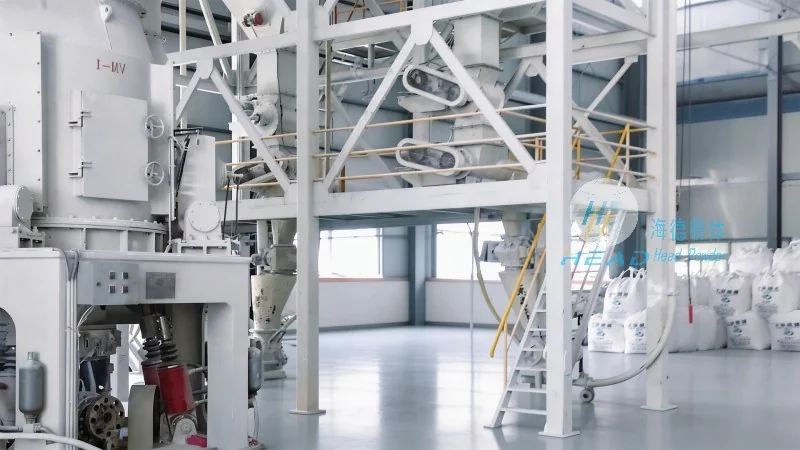
Working Principle of PTA Powder Material Pneumatic Conveying Systems
The core of a PTA powder material pneumatic conveying system lies in its ability to transport dry powder through a pipeline using air or gas as the conveying medium. The system operates on the principle of creating a pressure differential or utilizing vacuum to move the powder particles. There are primarily two types of pneumatic conveying systems: pressure and vacuum systems, each with distinct operational characteristics.
In a pressure system, a positive pressure is generated at the material inlet, typically using a blower or compressor. The PTA powder is fed into the system, and the pressurized air pushes the powder through the pipeline to the discharge point. This method is suitable for long-distance or high-capacity conveying and ensures consistent flow rates. Conversely, vacuum systems operate by creating a negative pressure at the discharge end, drawing the powder from the source and transporting it through the pipeline. Vacuum systems are often preferred for shorter distances or when the material needs to be collected from multiple points.
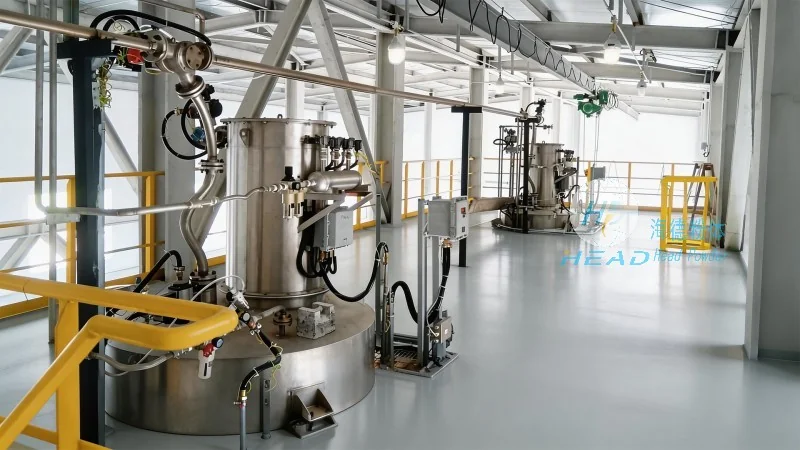
Within these systems, the PTA powder is typically introduced into the conveying line via a hopper or feeder, which ensures a controlled and consistent feed rate. The air or gas, often filtered to remove contaminants, is then mixed with the powder to form a slurry-like mixture. This mixture travels through the pipeline, where the velocity and pressure are carefully managed to prevent particle segregation or blockages. At the receiving end, the system separates the powder from the air, typically using a cyclone separator or a filter, and collects the PTA powder in a storage bin or processing unit.
Key Features of PTA Powder Material Pneumatic Conveying Systems
PTA powder material pneumatic conveying systems are designed with several key features that enhance their performance and reliability. One of the most significant features is the ability to handle fine, abrasive powders like PTA without causing excessive wear or degradation. The system's components, such as the hopper, feeder, and pipeline, are constructed from materials resistant to corrosion and abrasion, ensuring long-term durability.
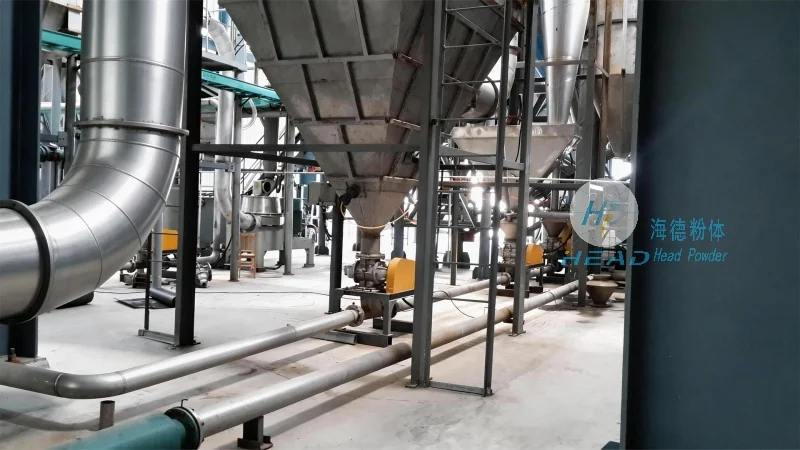
Another critical feature is the system's efficiency in terms of energy consumption and material recovery. By using a closed-loop design, the system minimizes material loss and reduces energy waste. The air used in the conveying process is often recycled or filtered, reducing operational costs and environmental impact. Additionally, the system's flexibility allows for easy integration with existing industrial processes, adapting to varying production demands without significant modifications.
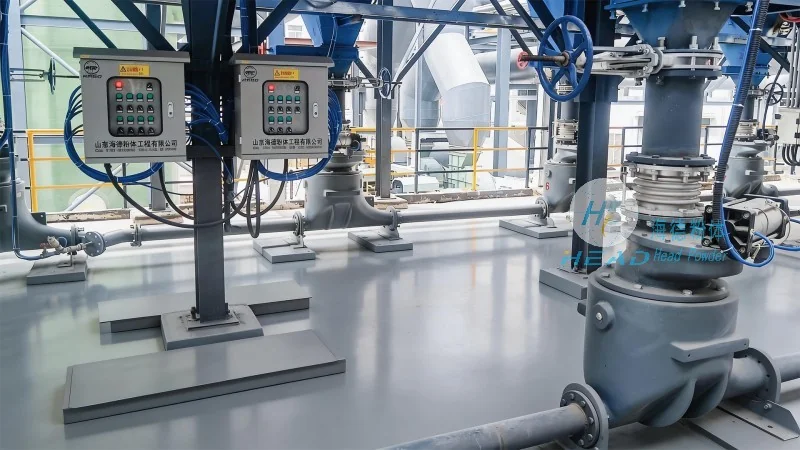
Control and automation are also integral features of modern PTA powder material pneumatic conveying systems. Advanced control systems monitor parameters such as pressure, flow rate, and temperature, ensuring optimal operation and preventing equipment damage. This automation enhances safety and reduces the need for manual intervention, making the system more reliable and user-friendly. Furthermore, the system's modular design allows for easy maintenance and repair, with components that can be replaced or serviced without disrupting the entire operation.
Application-Specific Advantages and Considerations
When implementing a PTA powder material pneumatic conveying system, several advantages and considerations come into play. The primary advantage is the system's ability to transport PTA powder in a dust-free environment, which is essential for maintaining product quality and worker safety. Unlike traditional belt or bucket elevators, pneumatic conveying systems do not generate dust clouds, reducing the risk of inhalation and contamination.
Another advantage is the system's suitability for handling PTA powder in various industrial applications, including chemical processing, pharmaceutical manufacturing, and food processing. The system's flexibility in conveying distances and capacities makes it adaptable to different production scales and requirements. However, considerations such as the particle size distribution and moisture content of the PTA powder are crucial, as they can affect the system's performance and efficiency. Proper system design and material selection are essential to ensure reliable operation and minimize downtime.
In conclusion, PTA powder material pneumatic conveying systems represent a sophisticated and efficient solution for handling PTA powder in industrial settings. By understanding the working principle and key features of these systems, industries can optimize their material transport processes, improve operational efficiency, and enhance product quality. The combination of advanced engineering, robust design, and automation makes these systems a reliable choice for PTA powder handling, supporting the needs of modern industrial operations.




