HeadPowder, a leading engineering firm based in Shandong, China, specializes in the design, manufacturing, and installation of advanced pneumatic conveying systems tailored for additive materials. This article explores the fundamental working principles and distinctive characteristics of such systems, providing a comprehensive overview for industry professionals seeking efficient material handling solutions.
Working Principle of Pneumatic Conveying Systems
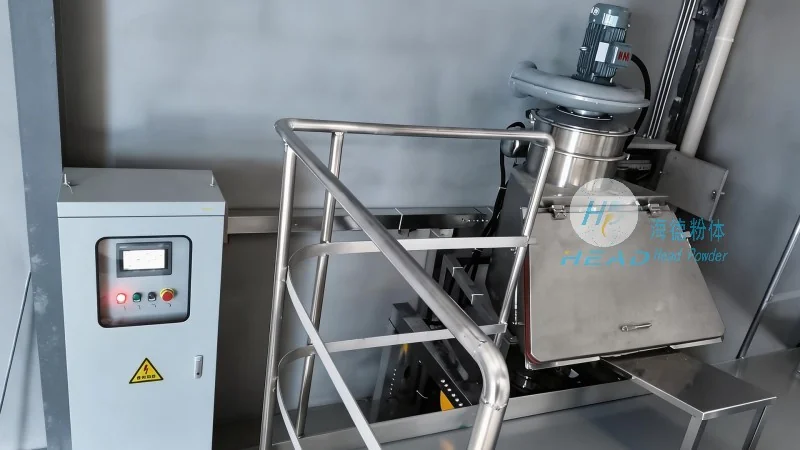
The core mechanism of a pneumatic conveying system involves the use of compressed air or gas to transport bulk materials through a pipeline network. In the case of additive materials, which often include powders, granules, or fine particles, the system operates by creating a pressure differential that propels the material from the source to the destination. The process typically begins with the material being fed into a hopper or feeder, where it is then drawn into the conveying line by the moving air stream. The air, often under positive pressure or negative pressure (suction), carries the material along the pipeline, ensuring a continuous and controlled flow. Key components such as airlocks, cyclones, and filters are integrated to manage material flow, prevent blockages, and maintain system efficiency. The working principle is based on the principle of fluidization, where the material particles are suspended in the air stream, allowing for smooth transportation without the need for mechanical contact or external forces.
Key Features of Pneumatic Conveying Systems for Additives
Pneumatic conveying systems for additive materials exhibit several key features that make them ideal for industrial applications. Firstly, they offer a high degree of flexibility in terms of layout and installation, as the pipeline can be configured to follow complex routes, including vertical and horizontal segments, without the need for additional mechanical components. This adaptability is particularly beneficial in facilities where space is limited or where the material handling path requires multiple turns and elevations. Secondly, these systems provide excellent control over material flow rates and pressure, enabling precise dosing and delivery of additives to production lines. The ability to adjust air pressure and flow rate allows operators to optimize the system for different material properties, such as particle size, density, and moisture content. Thirdly, pneumatic conveying systems are highly efficient in terms of energy consumption and operational costs. By eliminating the need for mechanical conveyors, such as belt or screw conveyors, the system reduces maintenance requirements and energy usage, leading to long-term cost savings. Additionally, the systems are designed to minimize material degradation, as the enclosed pipeline prevents exposure to external contaminants and reduces the risk of attrition or agglomeration. This is crucial for additive materials, which may be sensitive to moisture or air exposure, as it ensures the integrity and quality of the material are maintained throughout the conveying process.
Application Scenarios and Benefits in Industrial Settings
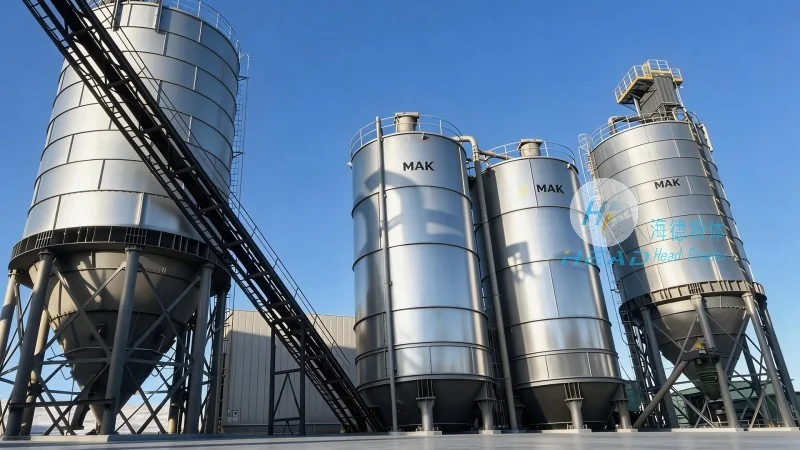
The versatility of pneumatic conveying systems makes them suitable for a wide range of applications in the additive materials industry. For instance, in pharmaceutical manufacturing, these systems are used to transport active pharmaceutical ingredients (APIs) and excipients from storage to processing equipment, ensuring a sterile and controlled environment. In the food and beverage industry, they handle additives like flavorings, colorants, and vitamins, maintaining product safety and quality. Similarly, in the chemical and petrochemical sectors, pneumatic conveying systems transport raw materials and intermediates, supporting continuous production processes. The benefits of using such systems extend beyond efficiency; they also enhance workplace safety by eliminating the need for manual handling of bulk materials, reducing the risk of dust exposure and accidents. Furthermore, the enclosed nature of the system minimizes environmental impact by containing dust and preventing emissions, aligning with regulatory requirements and sustainability goals.
Technical Considerations and System Design
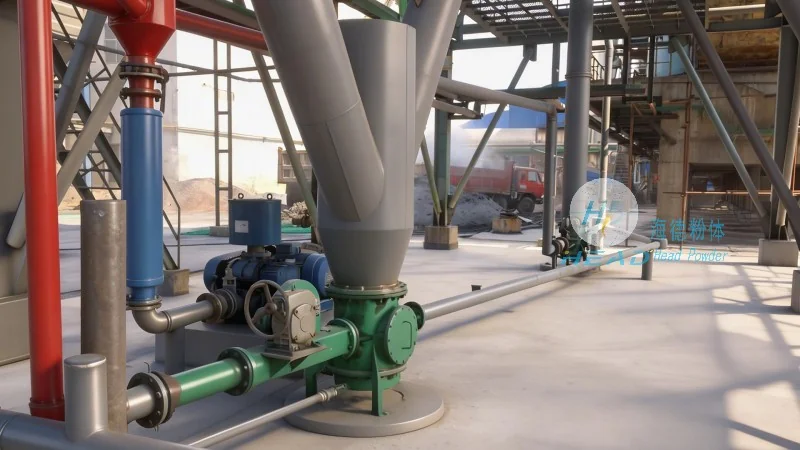
When designing a pneumatic conveying system for additive materials, several technical considerations must be taken into account to ensure optimal performance. The first is the selection of the appropriate conveying method, which can be categorized into positive pressure, negative pressure, or a combination of both. Positive pressure systems are generally preferred for long-distance or multi-point delivery, as they provide consistent pressure and flow. Negative pressure systems, on the other hand, are suitable for short-distance or suction applications, where the material is drawn from a source. The choice depends on factors such as material properties, system layout, and operational requirements. Another critical consideration is the material's particle size and flow characteristics. Fine powders, for example, may require a higher air velocity to prevent clogging, while larger granules can be conveyed at lower velocities. The system design must also account for the material's moisture content and potential for agglomeration, as these factors can affect the conveying efficiency and system reliability. Additionally, the integration of components such as airlocks, cyclones, and filters is essential to maintain system performance and prevent material buildup. Proper sizing and placement of these components ensure that the system operates smoothly and without interruptions. Finally, the selection of materials for the pipeline and components is crucial, as they must be resistant to corrosion, wear, and chemical exposure, especially when handling additives that may be acidic or alkaline.
Maintenance and Operational Best Practices
Proper maintenance and operational practices are vital to ensure the longevity and efficiency of pneumatic conveying systems for additive materials. Regular inspection of components such as airlocks, cyclones, and filters is necessary to detect and address any issues before they escalate into major problems. For example, clogged filters can reduce air flow and increase pressure drop, leading to decreased conveying efficiency. Similarly, worn-out airlock seals can cause material leakage and contamination. Routine cleaning of the system, including the pipeline and hoppers, is also important to prevent the buildup of material residues that can affect flow and system performance. Operational best practices include monitoring system pressure and flow rates continuously, as deviations may indicate a problem with the material or the system. Adjusting air pressure and flow rate as needed can help maintain optimal conveying conditions. Additionally, training operators on the proper use and maintenance of the system is essential to ensure safe and efficient operation. By following these best practices, companies can maximize the lifespan of their pneumatic conveying systems and minimize downtime, ensuring consistent and reliable material handling.




