Biomass powder material pneumatic conveying systems are essential for the efficient and safe transportation of biomass powders in various industrial applications. These systems utilize air or gas as the conveying medium to move bulk materials through a network of pipes. The technology is widely adopted in industries such as biomass energy, food processing, and chemical manufacturing due to its ability to handle fine powders without the need for mechanical components that might cause contamination or material degradation.
Working Principle of Pneumatic Conveying Systems
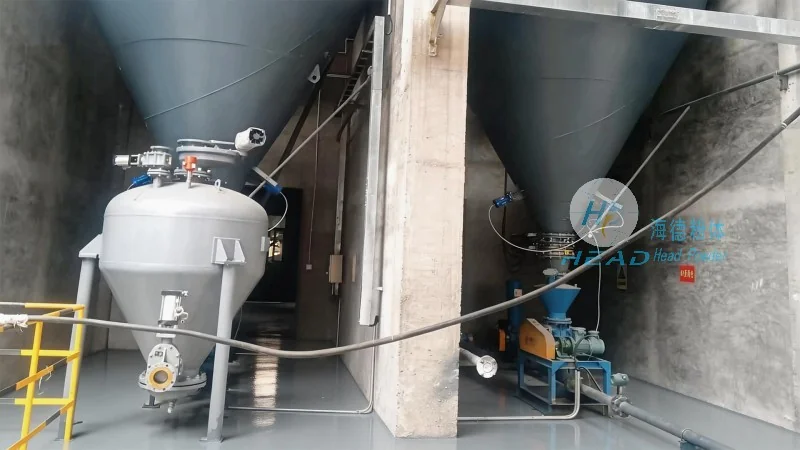
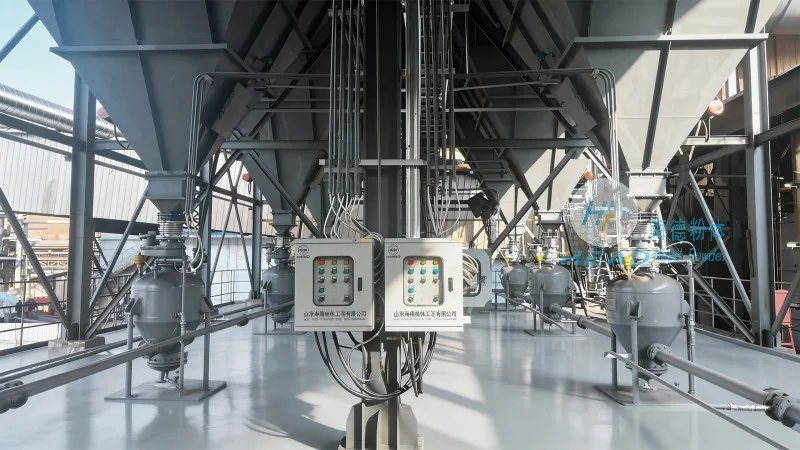
The core working principle of a pneumatic conveying system involves the use of a blower or compressor to generate airflow within a closed pipeline system. The system can operate in two main modes: suction (or vacuum) and pressure. In the suction mode, the system draws material from a hopper or storage silo into the pipeline using a vacuum created by the fan. In the pressure mode, material is pushed through the pipeline using compressed air from a blower. The choice between suction and pressure depends on factors like the distance of material transport, the nature of the powder (e.g., dustiness, moisture content), and the required flow rate. The system typically includes components such as a hopper for material storage, a feeder to control the flow rate, a blower or compressor for air supply, a pipeline network, and a discharge point where the material is released. The airflow velocity is critical; it must be sufficient to keep the powder particles suspended and prevent blockages. The system may also incorporate features like cyclones or filters to separate the conveyed material from the air at the discharge end, ensuring clean material handling and preventing dust emissions.
Key Features and Advantages of Biomass Powder Pneumatic Conveying Systems
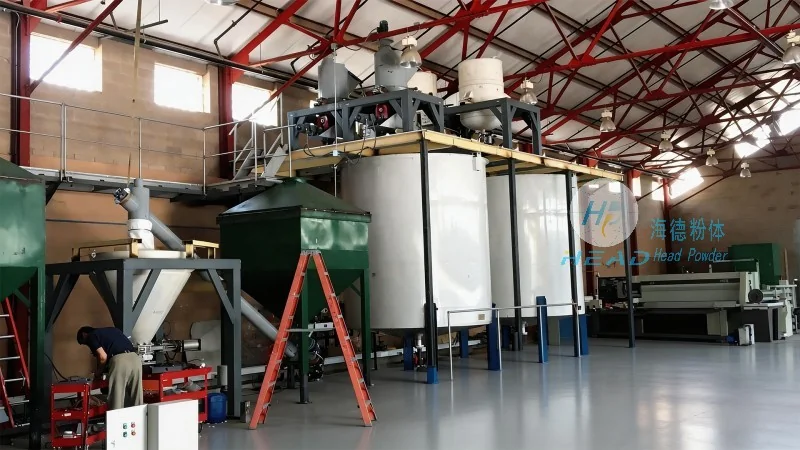
One of the primary advantages of pneumatic conveying systems for biomass powders is their ability to handle fine, abrasive, or sticky powders without the risk of mechanical wear or contamination. Unlike mechanical conveyors (e.g., screw conveyors or belt conveyors), pneumatic systems do not have moving parts that come into direct contact with the material, reducing the chance of material degradation or cross-contamination. This makes them ideal for transporting biomass powders that are sensitive to moisture or temperature changes. Another key feature is the flexibility in system design. Pneumatic conveying systems can be configured in various layouts, including straight-line, loop, or Z-shaped pipelines, to accommodate different plant layouts and material transport distances. The systems are also relatively compact compared to other bulk material handling solutions, saving space in industrial facilities. Additionally, pneumatic conveying offers high transport efficiency, with the ability to move large volumes of material over long distances with minimal energy consumption. The systems can be easily integrated with other processing equipment, such as grinding mills or pelletizers, to form a continuous production line. Environmental considerations are also a significant feature, as modern systems often include dust collection and filtration systems to minimize air pollution and comply with environmental regulations. The systems are designed to be energy-efficient, with adjustable airflow rates that optimize energy use based on the material flow requirements. Furthermore, the systems can be equipped with safety features like pressure relief valves and overcurrent protection to ensure safe operation in industrial settings.
Applications and Industry Relevance
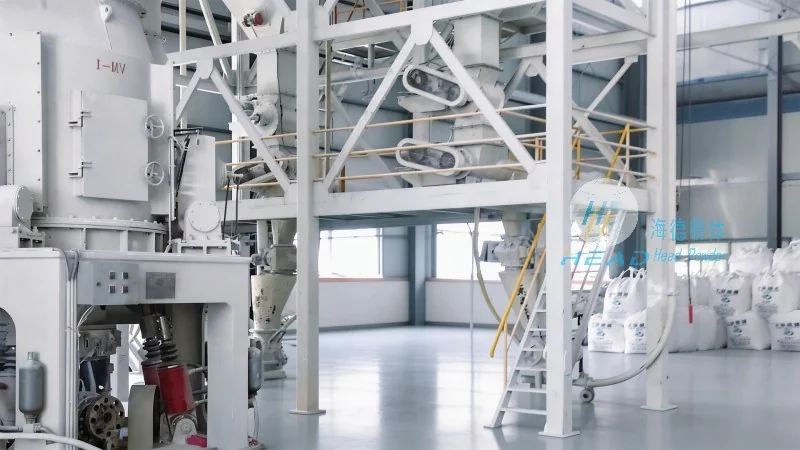
Biomass powder material pneumatic conveying systems are widely used in the biomass energy sector, where they are employed to transport raw biomass materials (such as wood chips, sawdust, or agricultural residues) from storage to processing units like grinding mills or pelletizers. In the food processing industry, these systems are used to handle fine powders like flour, cocoa, or spices, ensuring hygienic and efficient material transport. The chemical industry also utilizes pneumatic conveying for transporting powders like limestone, clays, or fertilizers, where contamination control is critical. The systems are particularly beneficial in applications where the material is prone to dust generation or where a clean and dust-free environment is required. For example, in biomass power plants, pneumatic conveying systems are used to transport biomass feedstock to the boiler, ensuring a continuous and reliable fuel supply. The flexibility and adaptability of these systems make them suitable for a wide range of industrial applications, from small-scale processing facilities to large-scale industrial plants.




