Cassava, also known as manioc or yuca, is a vital root crop widely cultivated in tropical and subtropical regions. Its processing into starch, flour, or other value-added products requires efficient material handling solutions. Pneumatic conveying systems have emerged as a preferred method for transporting cassava materials due to their ability to handle bulk materials with minimal dust and contamination. This article explores the working principle and key features of cassava material pneumatic conveying equipment, highlighting how such systems enhance operational efficiency in agricultural processing facilities.
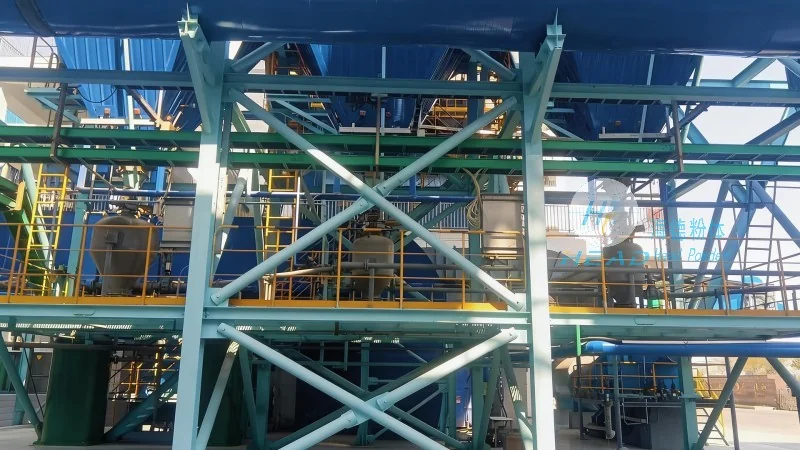
Company Overview: Shandong HeadPowder Engineering Co., Ltd.
HeadPowder, a leading manufacturer of industrial processing equipment, specializes in designing and supplying advanced pneumatic conveying solutions tailored to the needs of the agricultural sector. With a strong presence in China, particularly in Shandong province, HeadPowder leverages years of experience and technical expertise to deliver reliable equipment that meets the demands of cassava processing industries. The company’s commitment to quality and innovation ensures that its products are built to withstand the rigorous conditions of material handling in agricultural processing plants.
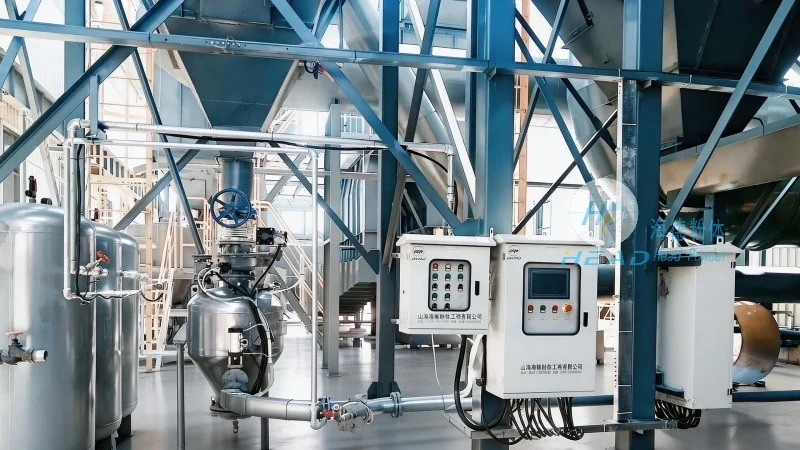
Working Principle of Cassava Material Pneumatic Conveying Equipment
The core of a pneumatic conveying system is its ability to transport bulk materials using air pressure. In the case of cassava material handling, the equipment operates by creating a flow of air through a pipeline system. The process typically involves several key components: a hopper to store the cassava material, a feeder to control the material flow into the pipeline, a compressor to generate the necessary air pressure, and a receiver to collect the conveyed material at the destination. The working principle can be categorized into two main types: pressure and vacuum systems. Pressure systems use positive pressure to push the material through the pipeline, while vacuum systems use negative pressure to draw the material. For cassava, which is often processed into fine powders or granules, a pressure system is commonly preferred as it provides consistent and reliable material transport without the risk of clogging or blockages. The system works by feeding the cassava material into the hopper, where it is then drawn into the pipeline by the compressor. The air flow carries the material particles through the pipeline to the receiver, where the material is separated from the air and collected. This process ensures that the cassava material is transported efficiently and with minimal loss or degradation.
Key Features of Cassava Material Pneumatic Conveying Equipment
HeadPowder’s pneumatic conveying equipment for cassava materials is designed with several key features that enhance performance and reliability. One of the primary features is the use of high-quality materials for construction, such as stainless steel or corrosion-resistant alloys, which are essential for handling the acidic nature of cassava starch and preventing material buildup or corrosion. The equipment also incorporates advanced control systems that allow for precise regulation of air pressure and material flow, ensuring consistent and efficient transport. Another important feature is the inclusion of dust collection and filtration systems, which help to minimize dust emissions and maintain a clean working environment. Additionally, the equipment is designed for easy maintenance and cleaning, with components that can be easily accessed and serviced. The use of flexible hoses and adjustable pipelines allows for flexibility in system layout, enabling the equipment to be adapted to different processing plant configurations. The equipment also features safety mechanisms, such as pressure relief valves and emergency shut-off systems, to prevent accidents and ensure safe operation. These features collectively contribute to the overall efficiency and reliability of the pneumatic conveying system, making it an ideal solution for cassava material handling in agricultural processing facilities.
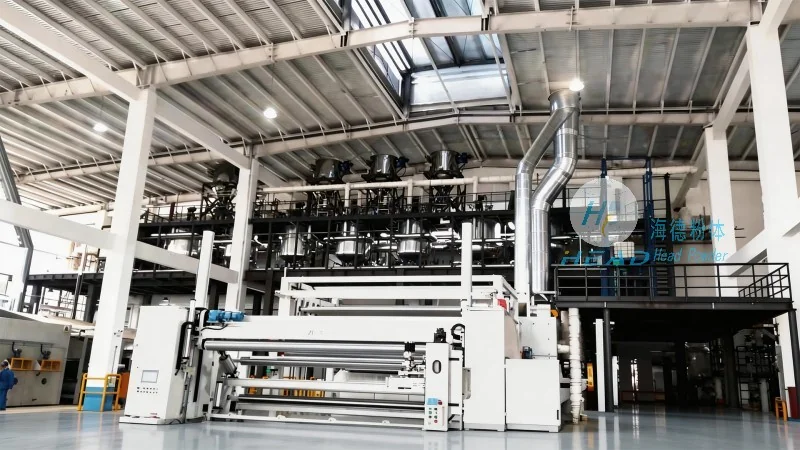
Benefits of Using Cassava Material Pneumatic Conveying Equipment
Implementing pneumatic conveying systems for cassava material handling offers numerous benefits for agricultural processing operations. One of the most significant advantages is the reduction in labor costs, as the system automates the material transport process, eliminating the need for manual handling. This not only improves operational efficiency but also enhances workplace safety by reducing the risk of accidents associated with manual material handling. Another benefit is the improvement in product quality, as the system minimizes dust and contamination during transport, ensuring that the cassava material remains clean and free from impurities. This is particularly important for processing into high-value products such as cassava starch or flour, where quality is a critical factor. The system also reduces material loss and waste, as the efficient transport process minimizes the amount of material that is lost during handling. Additionally, the equipment is energy-efficient, with advanced compressor technology that reduces energy consumption while maintaining optimal performance. The use of pneumatic conveying systems also contributes to a more organized and streamlined processing plant, as the system can be integrated with other processing equipment, creating a seamless workflow. Overall, the benefits of using cassava material pneumatic conveying equipment make it a valuable investment for agricultural processing facilities, enhancing productivity, quality, and safety.




