HeadPowder, a leading provider of industrial material handling solutions, specializes in advanced pneumatic conveying systems designed for the efficient transport of desulfurization fly ash. Based in Shandong, China, the company offers comprehensive equipment tailored to meet the demands of modern power plants and industrial facilities. This article explores the working principle and key features of such systems, highlighting their role in optimizing material handling processes.
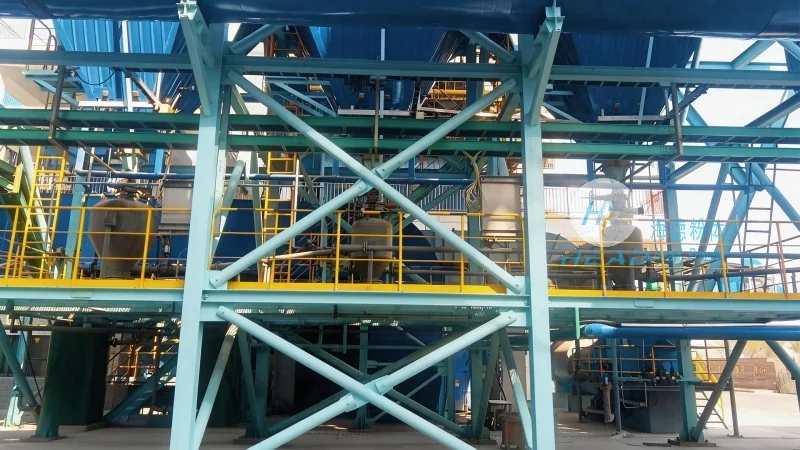
Working Principle of Desulfurization Fly Ash Pneumatic Conveying Equipment
The core of a desulfurization fly ash pneumatic conveying system lies in its ability to transport bulk materials through an enclosed pipeline using air or gas as the conveying medium. The process typically involves two main configurations: suction (or vacuum) and pressure systems. In a suction system, a vacuum pump creates a negative pressure within the pipeline, drawing the fly ash from the source (such as a silo or hopper) and transporting it to the destination. Conversely, a pressure system uses a positive pressure generated by a blower or compressor to push the material through the pipeline. For desulfurization fly ash, which is often fine and abrasive, the system must be designed to handle these characteristics effectively. The equipment includes components like a hopper, rotary valve, airlock, and a conveying line, all working in tandem to ensure a smooth and continuous flow. The air velocity within the pipeline is carefully controlled to prevent material deposition and ensure efficient transport. The system also incorporates filters and cyclones to separate the conveyed material from the air, maintaining air quality and preventing dust emissions. This integrated approach ensures that the fly ash is transported safely and efficiently from the source to the disposal or utilization site.
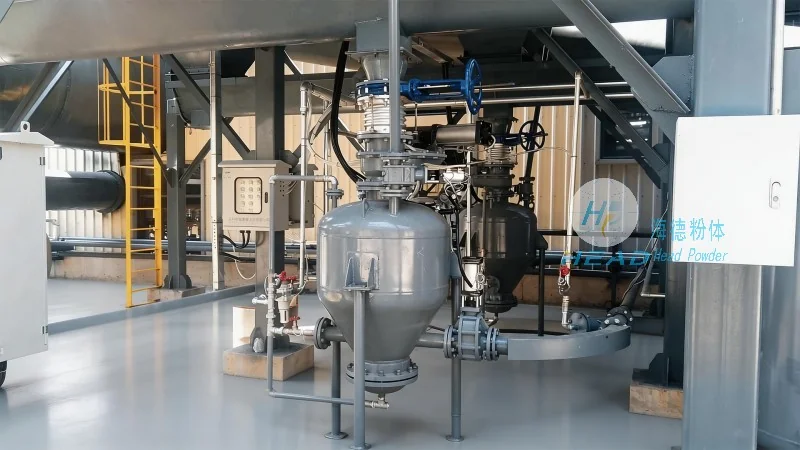
Key Features of Desulfurization Fly Ash Pneumatic Conveying Equipment
HeadPowder’s pneumatic conveying systems for desulfurization fly ash are characterized by several key features that enhance performance and reliability. Firstly, the systems are designed for high efficiency, minimizing energy consumption while maximizing material throughput. The use of advanced control systems allows for precise regulation of air flow and pressure, ensuring optimal operation under varying load conditions. Secondly, the equipment is built for durability and low maintenance. Materials such as stainless steel and wear-resistant components are used to withstand the abrasive nature of fly ash, reducing the need for frequent repairs and extending the equipment's service life. Thirdly, the systems are highly flexible, capable of handling different types of fly ash with varying particle sizes and moisture content. This adaptability makes them suitable for diverse applications, from on-site storage and transfer to off-site disposal or recycling. Additionally, the systems are designed with environmental considerations in mind, incorporating dust collection and filtration systems to minimize air pollution and comply with regulatory standards. The compact design of the equipment also allows for easy integration into existing plant layouts, reducing installation time and costs. Overall, these features make the pneumatic conveying systems an ideal solution for the efficient and environmentally friendly handling of desulfurization fly ash in industrial settings.
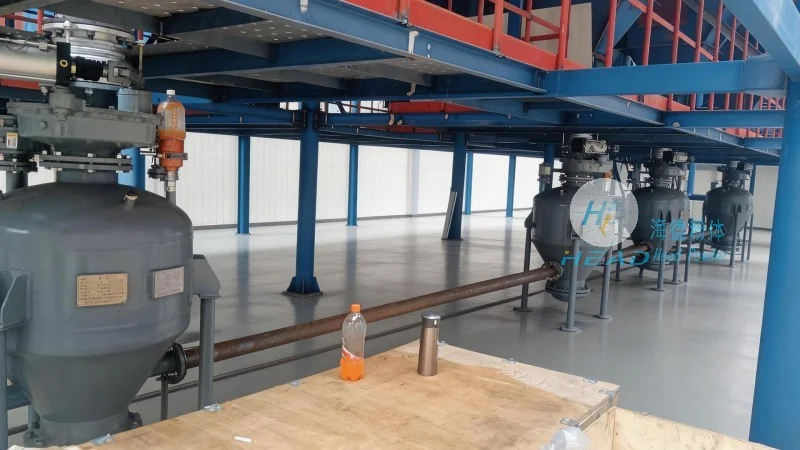
Application and Benefits in Industrial Settings
The application of desulfurization fly ash pneumatic conveying equipment in industrial settings offers numerous benefits. In power plants, these systems enable the safe and efficient removal of fly ash from the desulfurization process, preventing the need for manual handling and reducing the risk of dust exposure for personnel. The systems also facilitate the integration of fly ash into other processes, such as cement production or road construction, promoting resource utilization and reducing waste. For industrial facilities, the equipment provides a reliable means of transporting bulk materials over long distances without the need for additional infrastructure like conveyor belts or trucks. This not only improves operational efficiency but also reduces operational costs by minimizing downtime and maintenance requirements. Furthermore, the systems contribute to improved workplace safety by eliminating the need for manual handling of heavy or hazardous materials. The environmental benefits are also significant, as the enclosed system prevents dust emissions and ensures compliance with air quality regulations. In summary, the desulfurization fly ash pneumatic conveying equipment from HeadPowder offers a comprehensive solution for the efficient and sustainable handling of fly ash, aligning with the needs of modern industrial operations.




