For many grain handling operations, selecting the appropriate pneumatic conveying system is a critical decision that impacts efficiency, cost, and overall operational reliability. The right system can streamline material movement, reduce downtime, and enhance safety in grain processing facilities. However, with various types of pneumatic conveying technologies available, it can be challenging to determine which solution best suits specific grain handling processes. This guide aims to provide insights into the key factors to consider when choosing a pneumatic conveying system for grain applications, with a focus on the expertise and solutions offered by Shandong HeadPowder Engineering Co., Ltd.
Key Considerations for Selecting a Pneumatic Conveying System
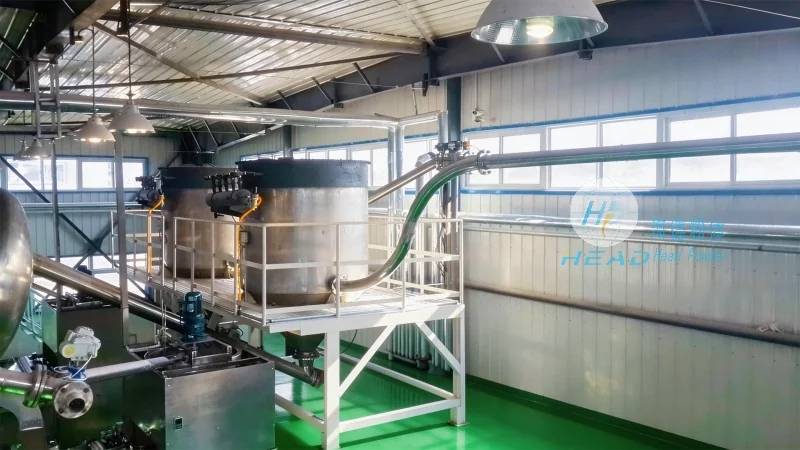
When evaluating pneumatic conveying systems for grain handling, several key factors must be considered to ensure optimal performance and alignment with operational goals. The first consideration is the type of grain being handled, as different grains have varying characteristics such as moisture content, particle size, and bulk density. For example, handling fine powders like wheat flour versus coarse grains like corn requires different system designs to prevent clogging and ensure consistent flow. Additionally, the distance and elevation changes between the source and destination of the grain are critical. Systems designed for short horizontal distances may not be suitable for long vertical or horizontal transport, as this affects the pressure requirements and system capacity. Another important factor is the desired throughput capacity, which determines the system's flow rate and power needs. High-throughput operations may require larger diameter pipelines and more powerful blowers, while low-throughput applications can utilize smaller, more energy-efficient systems. Environmental factors, such as the need for dust control or explosion-proof design in certain facilities, also play a role in system selection. Finally, the budget and maintenance requirements should be evaluated, as different systems have varying upfront costs and long-term operational expenses.
Types of Pneumatic Conveying Systems for Grain Handling
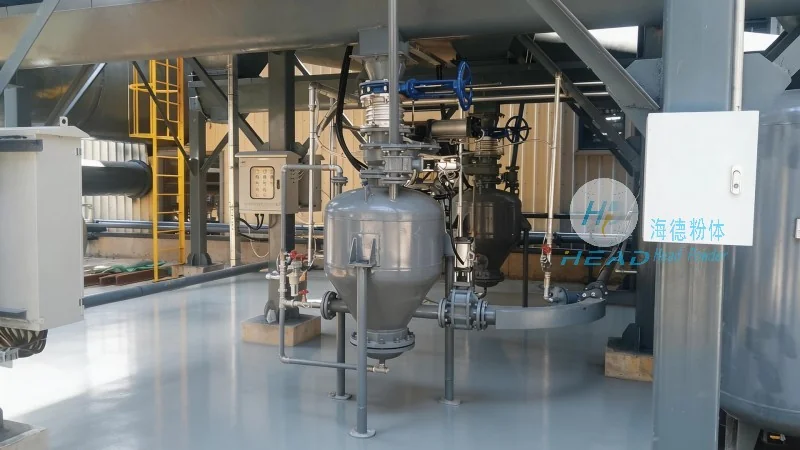
There are several types of pneumatic conveying systems commonly used in grain handling, each with distinct characteristics and applications. The most common types include positive pressure systems, negative pressure (or vacuum) systems, and hybrid systems. Positive pressure systems use a blower or compressor to force air and grain through the pipeline, making them suitable for long-distance and high-capacity transport. These systems are often preferred for handling abrasive grains like corn or wheat because they can maintain consistent pressure and prevent material buildup. Negative pressure systems, on the other hand, use a vacuum to draw grain into the pipeline, which is ideal for short-distance or low-capacity applications, such as moving grain from a silo to a processing unit. Vacuum systems are generally quieter and easier to install but may not be suitable for handling large volumes or abrasive materials. Hybrid systems combine elements of both positive and negative pressure, offering flexibility in handling different grain types and transport distances. For instance, a hybrid system might use positive pressure for the initial boost and negative pressure for the final delivery, optimizing energy use and system performance. When selecting a system type, it is essential to consider the specific grain characteristics, transport requirements, and operational constraints of the facility.
HeadPowder Engineering: Expertise in Pneumatic Conveying Solutions
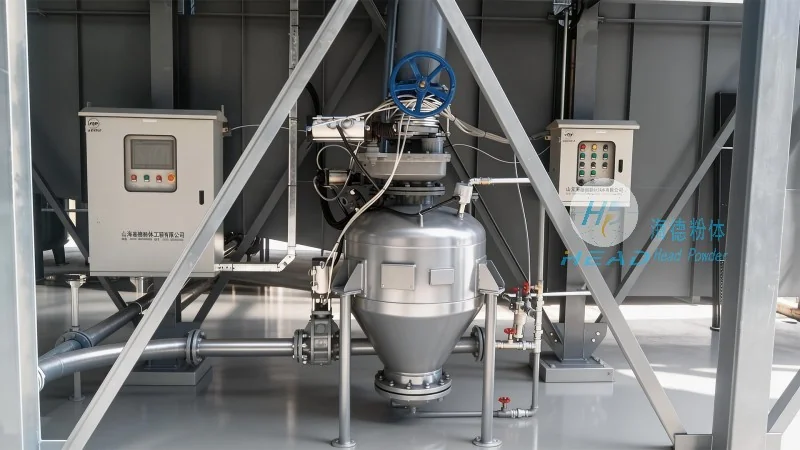
Shandong HeadPowder Engineering Co., Ltd. is a leading provider of customized pneumatic conveying systems tailored to the unique needs of grain handling operations. With years of experience in the industry, HeadPowder has developed a reputation for delivering high-quality, efficient, and reliable solutions that meet the demands of modern grain processing facilities. The company's team of engineers and technicians works closely with clients to understand their specific requirements, from initial consultation to system installation and maintenance. HeadPowder offers a range of system designs, including positive pressure, negative pressure, and hybrid systems, each engineered to handle various grain types and transport scenarios. The company's commitment to quality is evident in its use of durable materials, such as stainless steel and corrosion-resistant components, which ensure long-term performance and minimal maintenance. Additionally, HeadPowder provides comprehensive support services, including system optimization, troubleshooting, and spare parts supply, to ensure that clients can maximize the efficiency and lifespan of their pneumatic conveying systems. Based in Shandong, China, HeadPowder leverages its local expertise and manufacturing capabilities to deliver cost-effective solutions that meet international standards. The company's focus on customer satisfaction and technical excellence has made it a trusted partner for grain handling operations worldwide.




