Iron oxide fines, a critical material in various industrial applications, require efficient and reliable transport solutions to ensure smooth production processes. Pneumatic conveying lines offer a sophisticated method for handling these fine powders, combining efficiency with minimal material degradation. This article explores the underlying principles of iron oxide fines pneumatic conveying systems and highlights the key working scene characteristics that define their operational effectiveness.
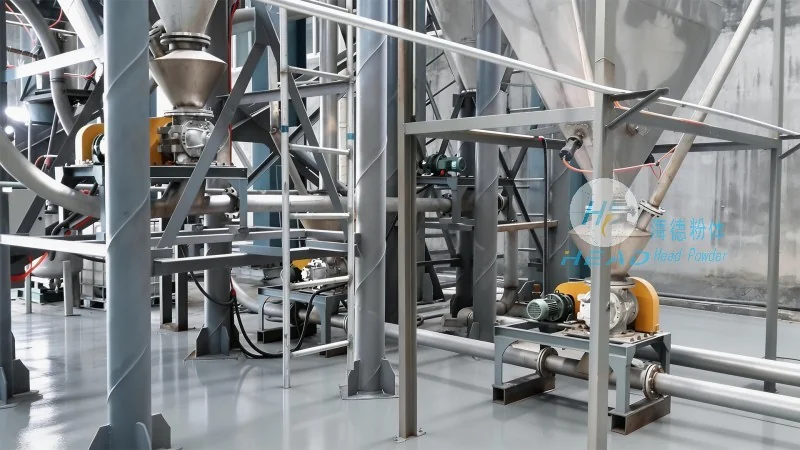
Overview of Iron Oxide Fines and Pneumatic Conveying Technology
Iron oxide fines, often used in industries such as pigments, ceramics, and chemical manufacturing, present unique challenges during material handling due to their fine particle size and potential for agglomeration. Traditional methods like belt conveyors or bucket elevators may lead to material loss, contamination, or increased maintenance costs. Pneumatic conveying, on the other hand, utilizes air flow to transport powders through a sealed system, offering advantages like reduced dust emissions, lower energy consumption, and enhanced product integrity. The core principle involves creating a pressure differential that propels the material through pipes, with the system designed to handle the specific properties of iron oxide fines.
The Fundamental Principles of Pneumatic Conveying for Iron Oxide Fines
The pneumatic conveying process for iron oxide fines operates on the principle of air movement and particle suspension. In a typical system, air is drawn or blown through a pipeline, creating a flow that lifts and transports the fine particles. This can be achieved through either pressure or vacuum systems, with pressure systems being more common for iron oxide fines due to their ability to handle higher material loads and longer distances. The system consists of several key components: a material feed hopper, a conveyor line (often with bends and expansion joints), a separation or collection unit, and a dust collection system. Each component plays a crucial role in maintaining the efficiency and safety of the conveying process.
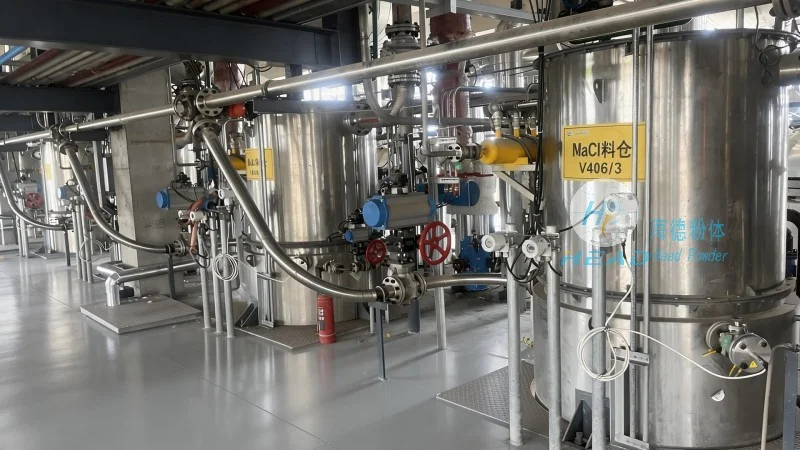
Key Working Scene Characteristics of Iron Oxide Fines Pneumatic Conveying Lines
The effectiveness of iron oxide fines pneumatic conveying lines is defined by several working scene characteristics that optimize performance and adaptability. First, the system's ability to handle varying particle sizes and moisture content is critical, as iron oxide fines can exhibit different flow properties under different conditions. The design of the conveying line, including pipe diameter, air velocity, and pressure, must be tailored to ensure consistent material transport without clogging or degradation. Second, the system's scalability is a significant advantage, allowing it to be adapted for both small-scale laboratory applications and large-scale industrial production lines. This flexibility makes it suitable for diverse operational environments, from research and development facilities to full-scale manufacturing plants.
Operational Efficiency and Material Integrity in Pneumatic Conveying
One of the primary benefits of pneumatic conveying for iron oxide fines is the preservation of material integrity. Unlike mechanical conveyors, which can cause attrition and particle breakage, pneumatic systems minimize physical stress on the particles. This is particularly important for iron oxide fines, as their color and chemical properties are sensitive to degradation. The sealed nature of the system also reduces exposure to contaminants, ensuring that the material remains pure and meets quality standards. Additionally, the system's energy efficiency is notable, with modern designs utilizing optimized air flow and pressure control to minimize energy consumption while maintaining high throughput rates.
Application Scenarios and Industry Integration
Iron oxide fines pneumatic conveying lines are widely applied in various industrial sectors, each requiring tailored solutions to meet specific operational demands. In the pigment industry, for example, these systems are used to transport iron oxide pigments from storage silos to processing equipment, ensuring consistent coloration and quality control. In the ceramics industry, they facilitate the transport of iron oxide powders used in glazes and ceramics, supporting high-precision manufacturing processes. The flexibility of the system also makes it suitable for chemical manufacturing, where it can handle reactive iron oxide powders while maintaining safety and compliance with environmental regulations. Each application scenario leverages the system's ability to handle fine powders efficiently, with minimal downtime and maintenance.
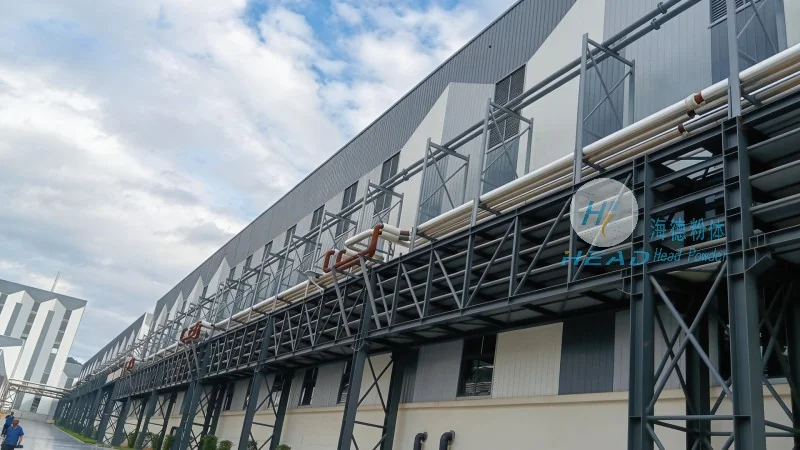
Company Background: Shandong HeadPowder Engineering Co., Ltd.
HeadPowder, a leading provider of pneumatic conveying solutions, specializes in designing and manufacturing systems tailored to the unique needs of iron oxide fines handling. With a strong presence in China, particularly in Shandong province, the company has established itself as a trusted partner for industrial clients seeking reliable material transport solutions. HeadPowder's expertise lies in understanding the specific challenges of iron oxide fines, such as their fine particle size and potential for agglomeration, and developing customized pneumatic conveying systems that address these challenges effectively. The company's commitment to quality and innovation has enabled it to serve a wide range of industries, from small-scale businesses to large multinational corporations.
Conclusion: The Advantages of Iron Oxide Fines Pneumatic Conveying Lines
In conclusion, iron oxide fines pneumatic conveying lines represent a sophisticated and efficient solution for handling fine powders in industrial applications. By leveraging the principles of pneumatic transport, these systems offer advantages such as minimal material degradation, reduced dust emissions, and enhanced operational efficiency. The key working scene characteristics, including scalability, adaptability, and material integrity preservation, make them suitable for diverse operational environments. With companies like Shandong HeadPowder Engineering Co., Ltd. providing specialized solutions, the technology continues to play a vital role in supporting the production processes of industries that rely on iron oxide fines. As industrial demands evolve, the continued development of pneumatic conveying systems will further enhance their effectiveness and applicability in modern manufacturing.




