Flake graphite powder, a high-quality carbon material widely used in various industrial applications, often requires efficient and reliable transportation methods to maintain its quality and integrity. The pneumatic conveying line, specifically designed for handling such fine powders, offers a solution that combines technology with practicality. This article delves into the fundamental principles of flake graphite powder pneumatic conveying lines and explores the key characteristics of their operational scenarios, providing insights into how these systems enhance material handling efficiency in industrial settings.
The Core Principle of Pneumatic Conveying for Flake Graphite Powder
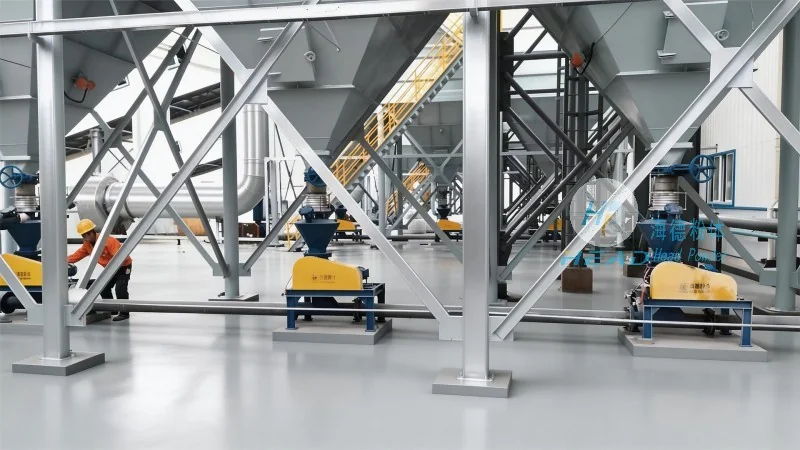
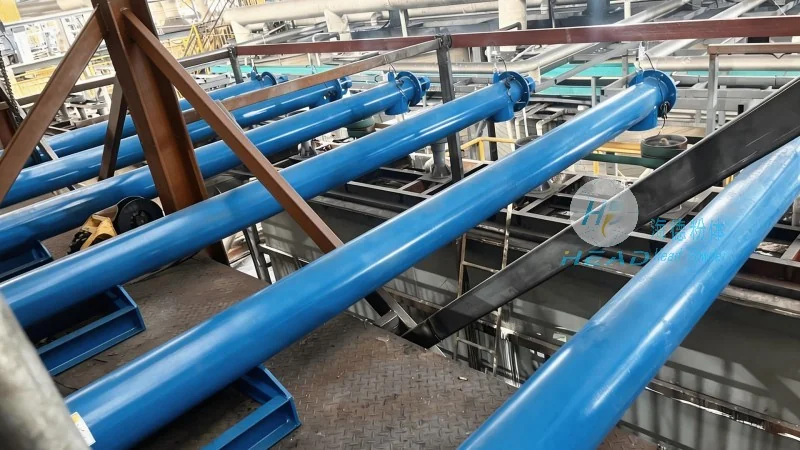
The pneumatic conveying system operates on the principle of transporting bulk materials through a pipeline using a gas stream, typically air or other gases. In the case of flake graphite powder, the system utilizes a combination of pressure and vacuum to move the material from the source to the destination. The process involves several critical components, including a hopper for material storage, a feeder to control the flow rate, a conveying pipeline, and a receiver for the material at the end of the line. The air flow is generated by a blower or compressor, which creates the necessary pressure differential to move the powder. The design of the system is tailored to the specific properties of flake graphite, such as its low bulk density (typically 1.5-2.1 g/cm³) and tendency to agglomerate, ensuring that the material is conveyed without degradation or loss of quality. The hopper is often equipped with a vibration or rotary feeder to prevent material bridging and ensure a consistent flow rate. The conveying pipeline is usually made of stainless steel or other corrosion-resistant materials to withstand the acidic or oxidizing properties of the graphite powder. The use of smooth, internal surfaces minimizes friction and reduces the risk of material buildup, which is crucial for maintaining system efficiency and preventing clogs.
Key Working Scenario Characteristics of Flake Graphite Powder Pneumatic Conveying Lines
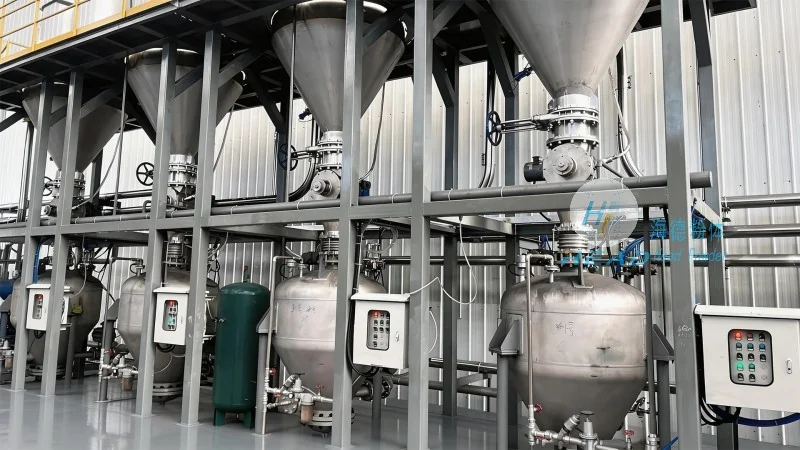
The operational characteristics of flake graphite powder pneumatic conveying lines are shaped by several factors that influence their performance and suitability for different industrial applications. One of the primary characteristics is the system's ability to handle fine, low-density materials like flake graphite, which are prone to dust generation and clogging if not managed properly. The design of the conveying pipeline, including the use of smooth, corrosion-resistant materials and appropriate bends and elbows, minimizes friction and prevents material buildup. Additionally, the system's control mechanisms, such as variable speed feeders and pressure sensors, allow for precise regulation of the material flow, ensuring consistent delivery to the processing or storage areas. The working scenarios often involve integration with other industrial processes, such as mixing, compounding, or packaging, where the pneumatic conveying line serves as a critical link in the material flow chain. The efficiency of these systems is further enhanced by their ability to operate in both positive and negative pressure modes, providing flexibility in different industrial setups. For instance, in battery manufacturing, the system efficiently transports flake graphite powder to the electrode production line, ensuring uniform mixing and high-quality product output. In lubricant production, the pneumatic conveying line delivers graphite powder to the compounding stage, maintaining the material's purity and preventing contamination from other substances.
Applications and Benefits in Industrial Settings
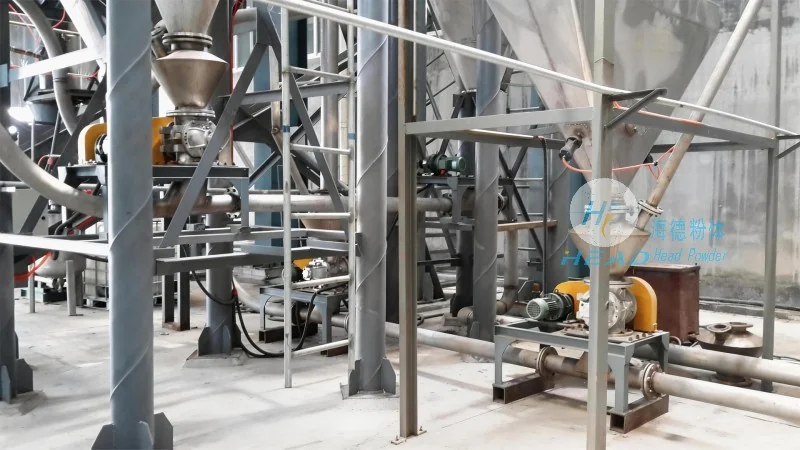
Flake graphite powder pneumatic conveying lines are widely utilized in various industries due to their ability to handle delicate materials while maintaining high efficiency. In the manufacturing of carbon products, such as electrodes and lubricants, the system ensures that the graphite powder is delivered to the production line without contamination or degradation. The benefits of using pneumatic conveying include reduced labor costs, minimized material loss, and improved safety by eliminating manual handling of fine powders. The system's compact design and ability to integrate with existing infrastructure make it a practical solution for both new and existing industrial facilities. Furthermore, the energy efficiency of modern pneumatic conveying systems, combined with advanced control technologies, contributes to lower operational costs and a smaller environmental footprint. The system's ability to handle large volumes of material at a consistent rate also supports high production throughput, making it an essential component in high-demand industrial processes.




