Principle and Working Scene Characteristics of Sodium Sulfate Powder Pneumatic Conveying Line
Release time:2026-09-18 21:01:30
name of the company:Shandong Headpowder Engineering Co., Ltd.
telephone:156-6277-7102
contacts:Zhang manager
Sodium sulfate, commonly known as Glauber's salt, is a widely used chemical in various industrial applications, including glass manufacturing, paper production, and chemical processing. The efficient and reliable transport of sodium sulfate powder from storage to processing units is crucial for maintaining production efficiency and minimizing operational costs. Pneumatic conveying systems have emerged as a preferred solution for handling such powders due to their ability to transport materials in a closed system, reducing dust emissions and improving safety. This article explores the fundamental principles of sodium sulfate powder pneumatic conveying lines and highlights the key working scene characteristics that make them suitable for industrial applications.
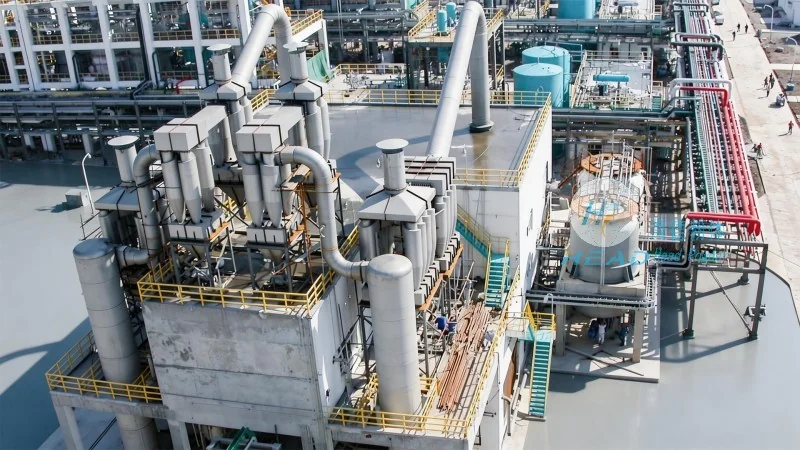
The Working Principle of Pneumatic Conveying Lines
The core of a pneumatic conveying system is the transfer of bulk material using a gas stream, typically air. In the case of sodium sulfate powder, the system operates by creating a pressure differential between the inlet and outlet of the conveying line. A fan or blower generates the necessary airflow, which draws the powder from the source (such as a silo or hopper) into the pipeline. The powder is then suspended in the air stream and transported to the destination point, where it is discharged into a receiver or processing equipment. The principle of operation can be categorized into two main types: pressure and vacuum systems. Pressure systems use compressed air to push the material forward, while vacuum systems use a vacuum to pull the material from the source. For sodium sulfate powder, both systems are effective, but the choice depends on factors such as the distance to be covered, the volume of material to be conveyed, and the required flow rate.
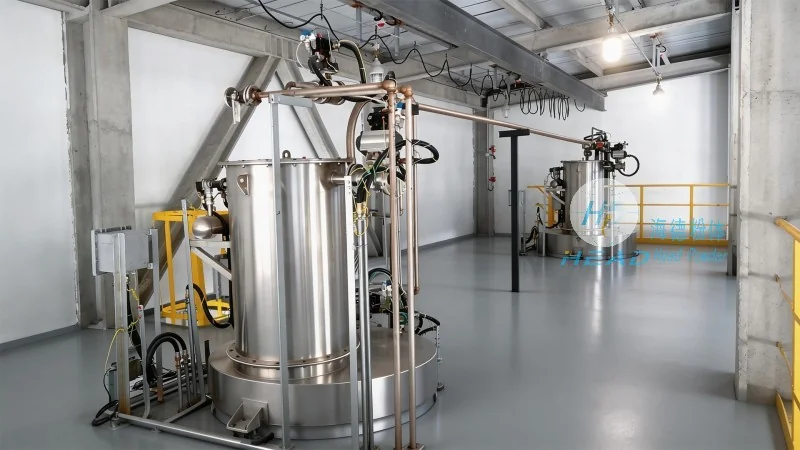
Key Working Scene Characteristics
The effectiveness of a sodium sulfate powder pneumatic conveying line is heavily influenced by several working scene characteristics that must be considered during system design and implementation. These characteristics include:
- Material Properties: Sodium sulfate powder has specific characteristics, such as particle size distribution, bulk density, and flowability, which affect the conveying performance. For instance, finer particles may require higher air velocities to prevent settling or blockages, while coarser particles can be conveyed at lower velocities. The system must be designed to accommodate these variations to ensure smooth operation.
- Conveying Distance and Height: The distance and vertical height between the source and destination points are critical factors. Longer or higher conveying distances may necessitate the use of multiple stages or booster fans to maintain sufficient pressure and airflow. The system design must account for these parameters to avoid pressure losses and ensure the material reaches the destination without degradation.
- Flow Rate and Capacity: The required flow rate and capacity of the system depend on the production requirements. High-capacity systems may use larger pipelines and more powerful fans to handle larger volumes of sodium sulfate powder. The system must be capable of maintaining a consistent flow rate to meet the demands of downstream processes, such as blending or processing.
- Dust Control and Environmental Considerations: Pneumatic conveying systems are designed to minimize dust emissions, which is essential for maintaining a safe and clean working environment. The use of closed pipelines and appropriate filtration systems helps to contain dust and prevent contamination of the surrounding area. This is particularly important in industrial settings where air quality regulations are stringent.
- System Maintenance and Reliability: The reliability of the pneumatic conveying line is crucial for continuous production. Regular maintenance, such as cleaning of filters, checking fan performance, and inspecting pipeline integrity, is necessary to prevent system failures. The system should be designed for easy access to components for maintenance, reducing downtime and ensuring long-term operational efficiency.
Application Scenarios and Industry Use Cases
Sodium sulfate powder pneumatic conveying lines are widely used in various industrial sectors, with specific applications tailored to the requirements of each industry. For example:
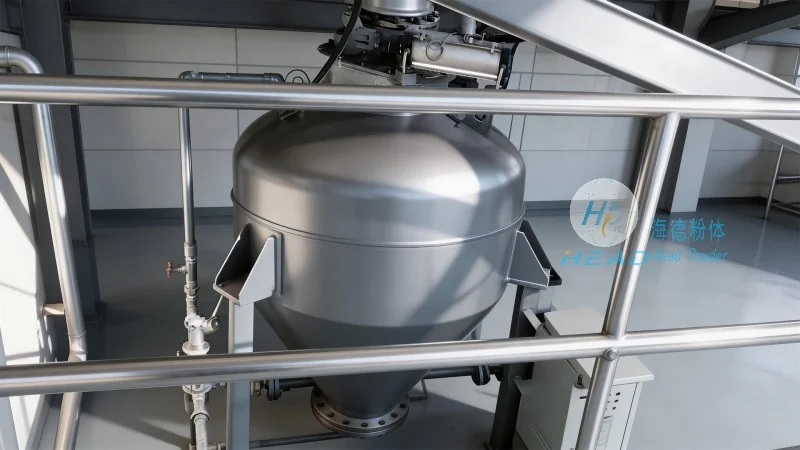
- Glass Manufacturing: In glass production, sodium sulfate is used as a flux to lower the melting point of silica. The pneumatic conveying system efficiently transports the powder from storage silos to the glass melting furnace, ensuring a consistent supply of raw material. The system must handle the high temperatures and corrosive environment of the furnace while maintaining the quality of the powder.
- Paper and Pulp Industry: Sodium sulfate is used in the paper industry as a filler and to adjust the pH of the pulp. The conveying system transports the powder to the paper machine, where it is mixed with other chemicals. The system must be capable of handling large volumes of powder and maintaining a consistent flow rate to ensure uniform paper quality.
- Chemical Processing: In chemical processing plants, sodium sulfate is used as an intermediate in the production of other chemicals, such as sulfuric acid and sodium bicarbonate. The pneumatic conveying line transports the powder between processing units, ensuring a smooth flow of materials and minimizing the risk of contamination.
Conclusion
Sodium sulfate powder pneumatic conveying lines are essential components in industrial operations, providing an efficient and reliable method for transporting bulk materials. The working principle, based on the use of air to suspend and transport powder, offers advantages such as reduced dust emissions, improved safety, and lower maintenance costs compared to traditional methods like bucket elevators or belt conveyors. By considering key working scene characteristics, such as material properties, conveying distance, and flow rate, manufacturers can design and implement systems that meet the specific needs of their applications. The successful implementation of these systems contributes to increased production efficiency, reduced operational costs, and enhanced safety in industrial settings.




