Principle and Working Scene Characteristics of Cement Raw Material Pneumatic Conveying Lines
Release time:2026-09-18 21:01:30
name of the company:Shandong Headpowder Engineering Co., Ltd.
telephone:156-6277-7102
contacts:Zhang manager
Understanding the core principles and operational characteristics of cement raw material pneumatic conveying lines is essential for optimizing material handling in industrial settings. These systems are designed to transport bulk materials like raw materials for cement production through a pipeline using air pressure or suction. The technology offers a reliable and efficient method for moving powders and granules over long distances, minimizing the need for traditional mechanical conveyors.
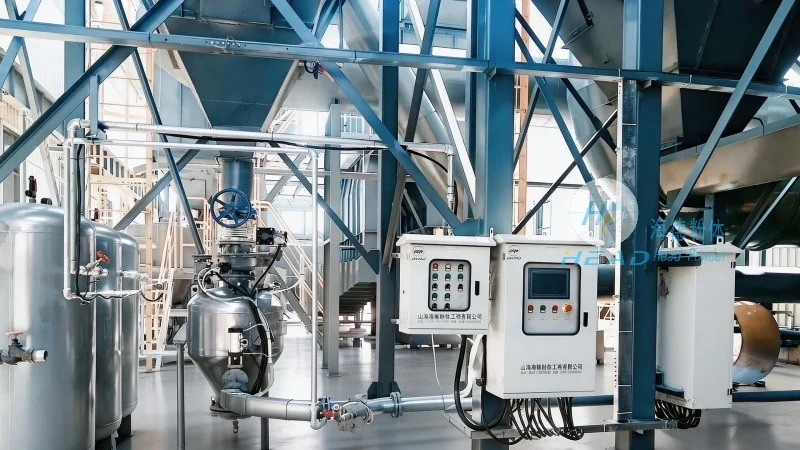
Principle of Pneumatic Conveying in Cement Production
The fundamental principle of pneumatic conveying involves the use of a fluid (typically air) to transport solid particles. In cement raw material handling, this process begins with the material being fed into a hopper or feeder. The material is then introduced into a pipeline where it is carried by the moving air stream. The system can operate under pressure (positive pressure) or vacuum (negative pressure), depending on the specific application and material properties. For cement raw materials, which often include fine powders and granules, the selection of the right conveying method—such as dilute phase or dense phase—is critical to ensure minimal material degradation and efficient transport.
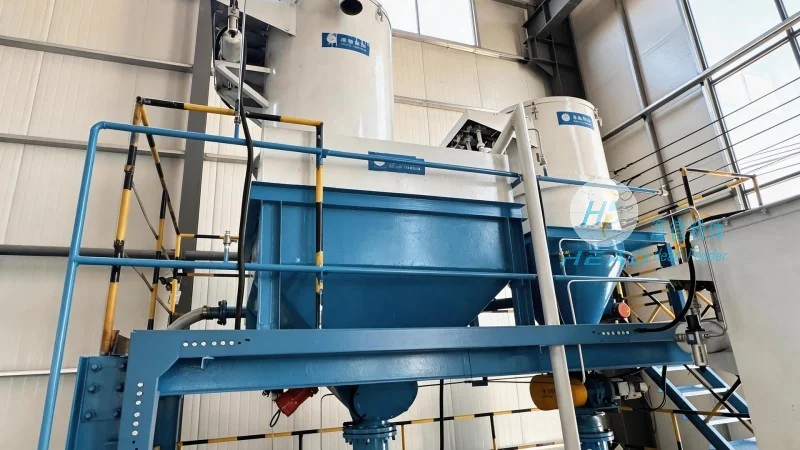
Working Scene Characteristics of Pneumatic Conveying Systems
The working scene characteristics of cement raw material pneumatic conveying lines are tailored to the unique demands of cement manufacturing facilities. These systems are typically installed in environments where space is limited, and material transport needs to be integrated with other production processes. Key characteristics include: high efficiency in moving large volumes of raw materials, reduced maintenance compared to mechanical conveyors, and the ability to handle materials with varying particle sizes and moisture content. Additionally, pneumatic conveying lines can be designed to operate in both horizontal and vertical configurations, making them adaptable to complex plant layouts.
Applications and Benefits in Cement Production
Cement raw material pneumatic conveying lines are widely used in the cement industry to transport raw materials such as limestone, clay, and iron ore from storage silos to the kiln or other processing units. The benefits of these systems include improved safety by eliminating the need for manual handling of bulk materials, reduced dust emissions through enclosed pipelines, and enhanced process control through automated feeding and monitoring systems. Companies like Shandong HeadPowder Engineering Co., Ltd. specialize in designing and manufacturing customized pneumatic conveying solutions that meet the specific requirements of cement plants, ensuring optimal performance and reliability.
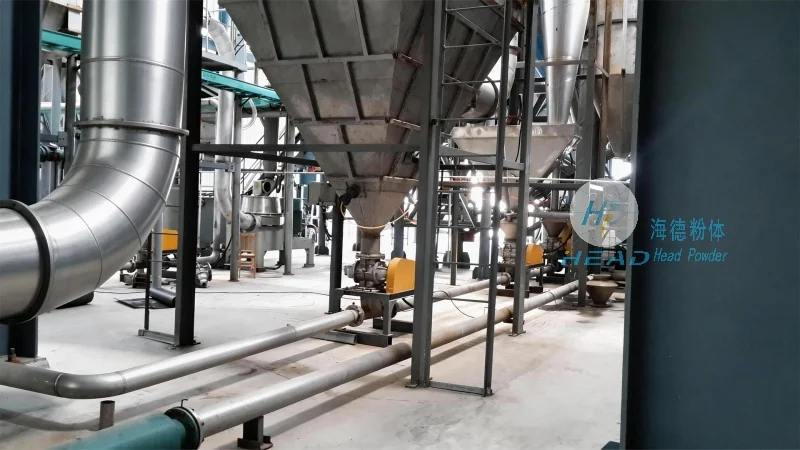
Customization and Integration by HeadPowder
Shandong HeadPowder Engineering Co., Ltd., a leading provider of industrial material handling solutions, offers comprehensive pneumatic conveying systems tailored to the needs of cement manufacturers. The company’s expertise lies in understanding the unique challenges of cement raw material transport, such as handling fine powders that are prone to caking or agglomeration. By leveraging advanced engineering and material science, HeadPowder designs systems that ensure minimal material loss, consistent flow rates, and low energy consumption. The company’s solutions are fully customizable, allowing clients to integrate the conveying lines with existing production equipment and control systems. With a focus on durability and long-term performance, HeadPowder’s pneumatic conveying lines are built to withstand the harsh conditions of cement production environments, providing reliable operation over extended periods.




