Graphite electrode pneumatic conveying lines represent a sophisticated solution for the efficient handling and transportation of graphite electrodes in industrial settings. As a key component in the production of high-purity graphite electrodes, these systems are designed to ensure minimal material loss, maintain product integrity, and enhance operational efficiency. The following sections will delve into the fundamental principles governing their operation and explore the specific working scene characteristics that define their application across various industrial environments. This technology is widely utilized by companies like Shandong HeadPowder Engineering Co., Ltd., which specializes in the engineering and manufacturing of such systems to meet the diverse needs of the graphite electrode industry.
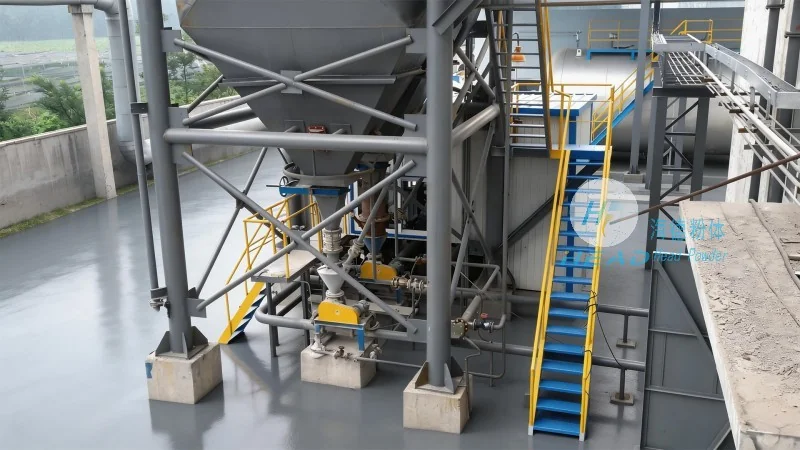
Core Principle of Pneumatic Conveying for Graphite Electrodes
The operation of graphite electrode pneumatic conveying lines is based on the principles of pneumatic transport, which utilizes air or other gases to move bulk materials through a pipeline system. In the context of graphite electrodes, this technology involves the creation of a controlled airflow that propels the electrodes from a source point to a destination point. The system typically consists of several key components, including a material feed hopper, a conveying pipeline, a pressure or vacuum source, and a receiving hopper. The process begins with the graphite electrodes being loaded into the feed hopper, where they are then introduced into the pipeline under the influence of the airflow. The air velocity is carefully regulated to ensure that the electrodes are transported without causing excessive abrasion or damage, which is critical for maintaining the quality of the final product. The use of positive pressure or negative pressure systems depends on the specific application and the distance over which the material needs to be conveyed. Positive pressure systems are commonly used for short to medium distances, as they can handle higher material loads and provide more consistent flow. Negative pressure systems, on the other hand, are often employed for longer distances or when the material is sensitive to contamination, as they create a sealed environment that prevents dust and particles from escaping into the surrounding air.
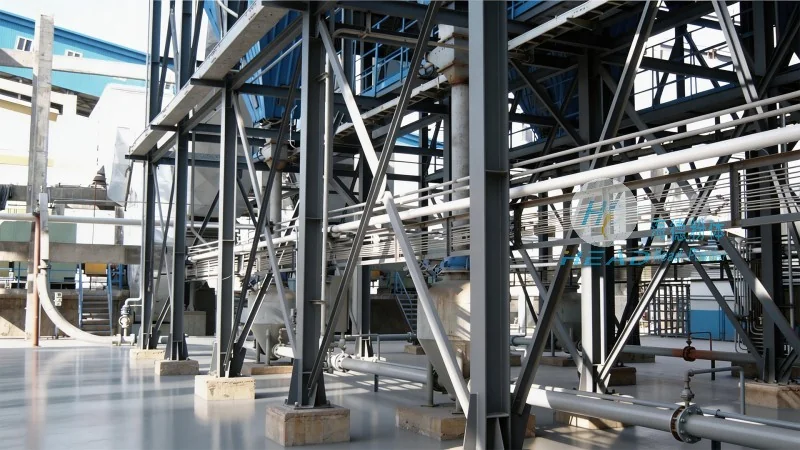
Working Scene Characteristics of Graphite Electrode Pneumatic Conveying Lines
The working scene characteristics of graphite electrode pneumatic conveying lines are tailored to meet the demands of various industrial applications. These systems are commonly found in the manufacturing facilities of graphite electrode producers, where they play a crucial role in the production process. The primary working scene characteristics include the need for high material purity, the requirement for minimal contamination, and the necessity of maintaining a stable and consistent flow rate. In many cases, these systems are integrated into larger production lines, where they connect the electrode manufacturing area with the packaging or storage facilities. The environment in which these systems operate is typically controlled, with measures in place to minimize dust and maintain clean conditions, as graphite dust can be hazardous to both personnel and equipment. Additionally, the systems are designed to handle electrodes of varying sizes and shapes, from standard cylindrical shapes to more complex configurations, ensuring versatility in their application. The working scene also involves considerations related to space constraints and the layout of the production facility, as the conveying lines need to be installed in a manner that optimizes the flow of materials while minimizing the footprint of the system. This often requires careful planning and integration with other equipment, such as mixers, crushers, or packaging machines, to create a seamless production workflow.
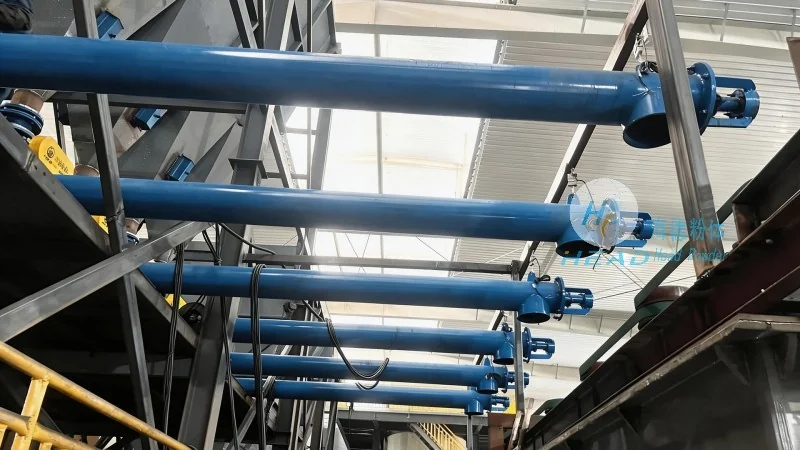
Key Features and Advantages in Practical Applications
When considering the practical application of graphite electrode pneumatic conveying lines, several key features and advantages stand out. One of the most significant advantages is the ability to transport materials over long distances without the need for intermediate handling or storage. This reduces the risk of material degradation and ensures that the electrodes reach their destination in optimal condition. The systems also offer high efficiency in terms of material throughput, allowing for continuous operation and increased productivity. Another important feature is the flexibility of the system, which can be adapted to handle different types of graphite electrodes, including those with additives or coatings. This adaptability makes the system suitable for a wide range of industrial applications, from the production of standard electrodes to specialized electrodes used in high-temperature applications. The systems are also designed to be low maintenance, with components that are easy to access and replace, reducing downtime and operational costs. Furthermore, the use of pneumatic conveying minimizes the need for manual handling, enhancing workplace safety and reducing the risk of accidents associated with heavy or bulky materials. These features collectively contribute to the overall effectiveness and reliability of graphite electrode pneumatic conveying lines in industrial settings.
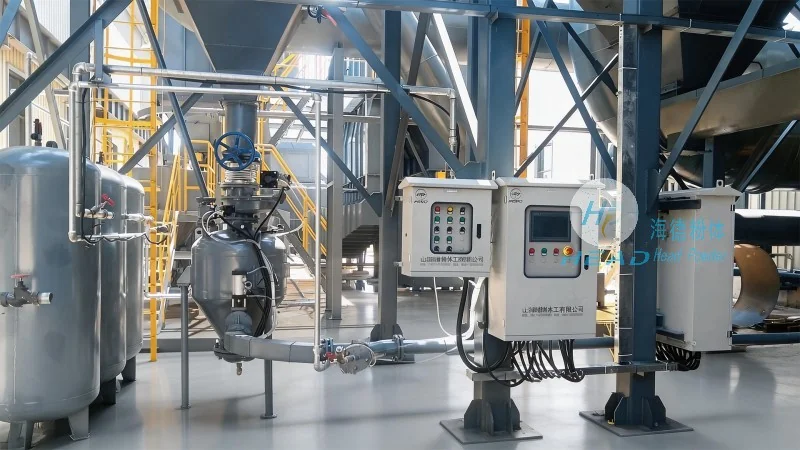
Conclusion and Practical Implications
In conclusion, graphite electrode pneumatic conveying lines are an essential technology for the efficient and safe handling of graphite electrodes in industrial production. The principles of pneumatic transport, combined with careful system design and operation, ensure that these systems can meet the demanding requirements of modern manufacturing processes. The working scene characteristics, including the need for high purity, minimal contamination, and consistent flow, are addressed through the integration of advanced components and control systems. The key features and advantages, such as long-distance transport, high efficiency, and flexibility, make these systems a preferred choice for many graphite electrode producers. As the demand for high-quality graphite electrodes continues to grow, the importance of reliable and efficient conveying systems will only increase. The practical implications of these systems extend beyond mere material transport, as they contribute to overall production efficiency, workplace safety, and product quality. For companies operating in the graphite electrode industry, investing in advanced pneumatic conveying lines is a strategic decision that can lead to significant improvements in operational performance and competitive advantage.




