HeadPowder, a leading provider of engineering solutions, specializes in the design and manufacturing of pneumatic conveying systems tailored for the lithium-ion battery raw material industry. This article explores the fundamental principles behind these systems and highlights key working scene characteristics that define their operational effectiveness and efficiency.
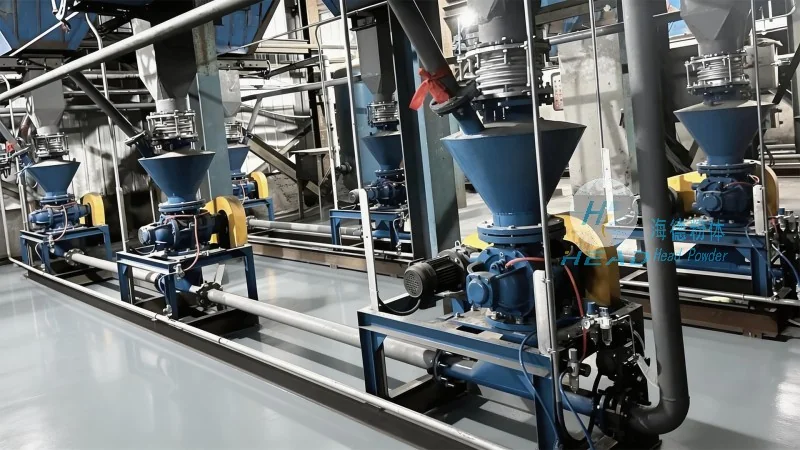
Introduction to Pneumatic Conveying Systems for Lithium-Ion Battery Raw Materials
Pneumatic conveying systems are critical components in the processing and handling of raw materials used in lithium-ion battery production. These systems utilize air or gas to transport bulk materials, such as powders and granules, from one location to another within a manufacturing facility. The technology offers numerous advantages over traditional mechanical conveying methods, including reduced equipment wear, improved material handling flexibility, and enhanced safety in handling potentially hazardous materials. HeadPowder, based in Shandong, China, has developed specialized solutions that address the unique challenges of lithium-ion battery raw material processing, ensuring reliable and efficient material transport throughout the production cycle.
Principle of Operation: How Pneumatic Conveying Systems Work
The core principle of pneumatic conveying systems involves the use of a pressure differential to move materials through a pipeline. There are two primary types of pneumatic conveying: pressure and vacuum systems. In pressure systems, a positive pressure is generated at the material inlet, pushing the material through the pipeline using compressed air. Vacuum systems, conversely, create a negative pressure at the material outlet, drawing the material into the pipeline. For lithium-ion battery raw materials, which often include powders like lithium carbonate, nickel sulfate, and cobalt oxide, the choice of system depends on factors such as material properties, particle size, and the required transport distance. HeadPowder engineers design systems with precise control over air flow, pressure, and velocity to ensure optimal material transport without degradation or loss. The system typically consists of a hopper for material storage, a conveyor line with appropriate ductwork, and a control unit that manages the air supply and material flow. The use of specialized components, such as rotary valves and airlocks, ensures a smooth and continuous transfer of materials, minimizing the risk of clogging or material degradation.
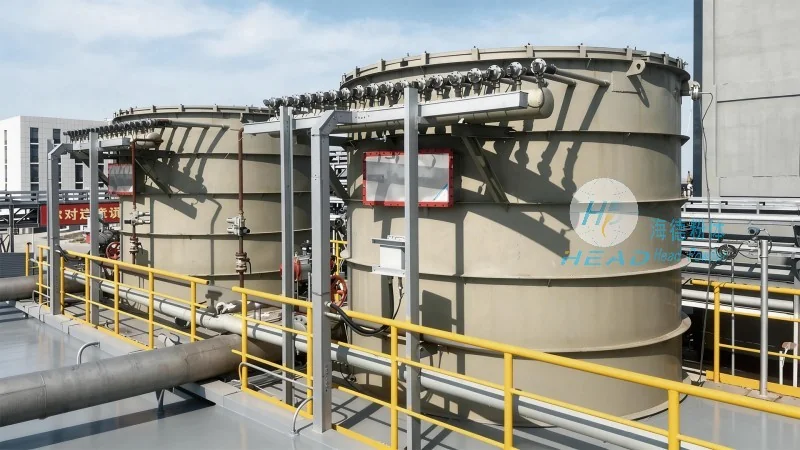
Key Working Scene Characteristics and Applications
The working scene characteristics of pneumatic conveying systems for lithium-ion battery raw materials are tailored to the specific demands of the battery manufacturing process. These systems are commonly employed in scenarios where materials need to be transported between different stages of production, such as from raw material storage to mixing and blending units, or from processing lines to packaging areas. The flexibility of pneumatic conveying allows for the integration of multiple material streams into a single system, enabling efficient material management and reducing the need for multiple mechanical conveyors. HeadPowder's systems are designed to handle a wide range of material types, including fine powders and abrasive materials, which are common in lithium-ion battery production. The systems are also equipped with features that enhance operational safety, such as dust collection and explosion-proof designs, addressing the potential hazards associated with handling flammable or reactive materials. In addition, the systems are engineered for high efficiency, with minimal energy consumption and low maintenance requirements, contributing to cost-effective operations for battery manufacturers.
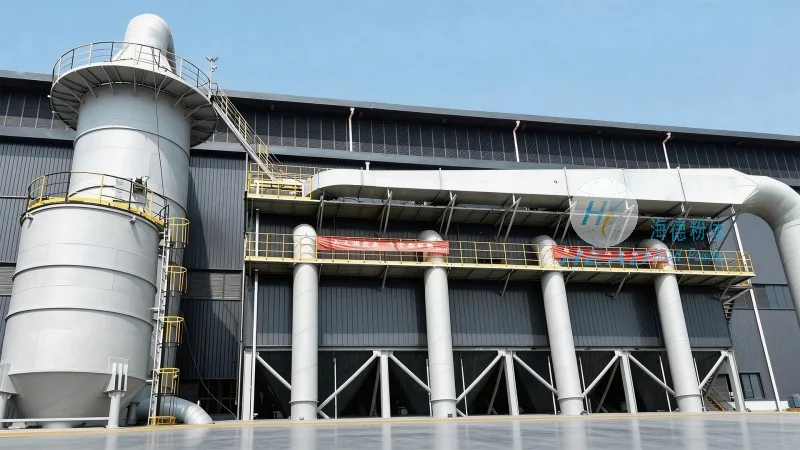
Advantages and Performance Metrics in Real-World Applications
Real-world applications of pneumatic conveying systems for lithium-ion battery raw materials demonstrate significant advantages over traditional methods. For instance, in a battery cell manufacturing facility, a pneumatic conveying system can transport lithium carbonate powder from a storage silo to a mixing machine with minimal material loss and consistent flow rates. The system's ability to handle fine powders without segregation or agglomeration ensures that the material properties remain stable, which is critical for maintaining the quality of the final battery product. Performance metrics, such as material throughput, system efficiency, and operational reliability, are key indicators of the system's effectiveness. HeadPowder's systems typically achieve high throughput rates, often exceeding 10 tons per hour, while maintaining low energy consumption and minimal downtime. The systems are also designed for easy maintenance, with accessible components that allow for quick repairs and replacements, reducing the overall operational costs for manufacturers. Furthermore, the systems are scalable, allowing manufacturers to expand their production capacity by adding additional conveying lines or increasing the capacity of existing systems without significant modifications.
Conclusion: The Role of Pneumatic Conveying Systems in Lithium-Ion Battery Manufacturing
In conclusion, pneumatic conveying systems play a vital role in the efficient and safe handling of raw materials for lithium-ion battery production. The principles of operation, combined with the working scene characteristics tailored to the battery industry, ensure that these systems provide reliable and high-performance material transport solutions. HeadPowder, with its expertise in engineering and manufacturing, offers advanced pneumatic conveying systems that meet the specific needs of lithium-ion battery manufacturers. By leveraging the advantages of pneumatic conveying, such as reduced wear, flexibility, and safety, battery manufacturers can enhance their production processes, improve product quality, and achieve cost savings. As the demand for lithium-ion batteries continues to grow, the importance of efficient material handling systems like those provided by HeadPowder will only increase, supporting the sustainable development of the battery industry.




