HeadPowder, a leading provider of specialized engineering solutions, specializes in the design and manufacturing of pneumatic conveying systems tailored for the battery industry. This article delves into the fundamental principles behind such equipment and highlights the key characteristics of its operational environments, providing a comprehensive overview for professionals in the field.
Understanding the Core Principles of Pneumatic Conveying Systems
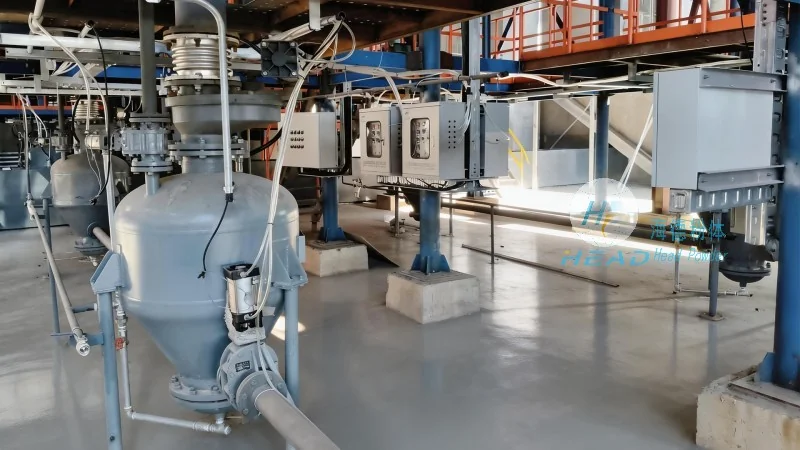
Pneumatic conveying systems utilize air or gas to transport bulk materials, such as battery positive electrode materials, from one location to another. The fundamental principle revolves around the creation of a pressure differential that propels the material through a pipeline. There are primarily two types of pneumatic conveying systems: dilute-phase and dense-phase. Dilute-phase systems operate at low pressure, using high-velocity air to suspend and transport particles, making them suitable for long-distance and high-volume applications. Dense-phase systems, on the other hand, operate at higher pressures and lower velocities, ensuring a more controlled and efficient transfer of materials, often with reduced product degradation. The choice between these systems depends on factors like material properties, distance, and desired flow rates.
Key Working Scene Characteristics of Pneumatic Conveying Equipment
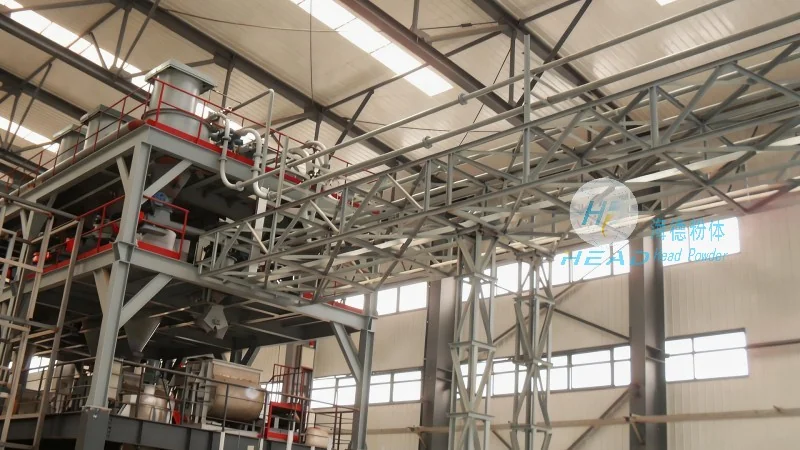
The operational environment of pneumatic conveying systems for battery positive electrode materials is characterized by several critical aspects that influence system performance and efficiency. Firstly, the material's physical properties, including particle size, density, and moisture content, play a pivotal role. For instance, fine powders may require higher air velocities to maintain suspension, while larger particles might benefit from dense-phase conveying to prevent blockages. Secondly, the system's design must accommodate the specific handling requirements of the battery manufacturing process. This includes considerations for material purity, as any contamination can impact battery performance. The equipment must also be capable of handling varying material loads, ensuring consistent flow rates and preventing system downtime. Additionally, the working environment often involves high-temperature or corrosive conditions, necessitating materials that can withstand such challenges. For example, stainless steel components are commonly used to prevent material adhesion and corrosion, especially when handling reactive or moisture-sensitive electrode materials.
Application-Specific Operational Scenarios
HeadPowder's pneumatic conveying systems are deployed in diverse working scenarios within battery production facilities. One common application is the transfer of raw positive electrode materials from storage silos to mixing and coating lines. In this scenario, the system must handle large volumes of fine powders efficiently, ensuring minimal loss and consistent quality. Another scenario involves the conveyance of finished electrode slurry from the coating machine to the drying and calendering stages. Here, the system must maintain a stable flow to prevent agglomeration and ensure uniform drying. Furthermore, the equipment is used in quality control processes, where small batches of material are conveyed for testing and analysis. The flexibility of the system allows for precise control over material flow, enabling accurate sampling and testing. Each of these scenarios demands a well-designed system that integrates seamlessly with existing production lines, minimizing downtime and maximizing productivity.
Advantages and Considerations in Real-World Implementations
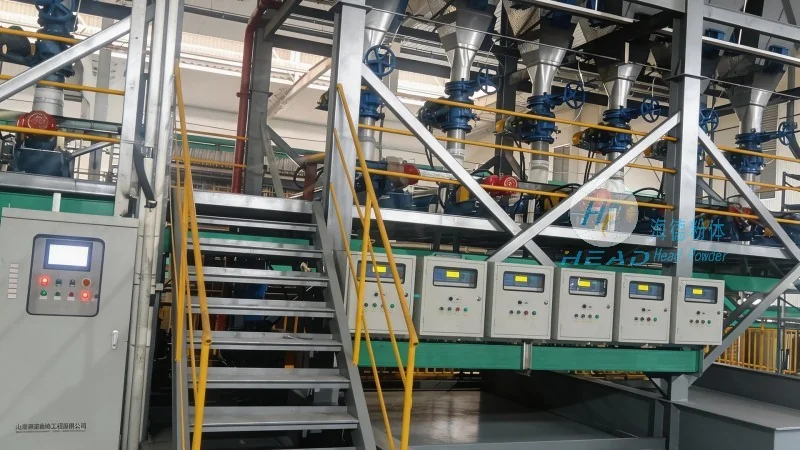
Implementing pneumatic conveying systems for battery positive electrode materials offers several advantages, including reduced labor costs, improved safety by eliminating manual handling, and enhanced material containment. However, there are also considerations to keep in mind. For instance, the system's energy consumption must be optimized to align with sustainability goals in the battery industry. Advanced control systems can help regulate air pressure and flow, reducing energy waste. Additionally, regular maintenance is crucial to prevent system failures and ensure long-term reliability. HeadPowder's expertise in customizing systems to meet specific operational needs ensures that clients can achieve optimal performance while adhering to industry standards and regulatory requirements. The company's commitment to quality and innovation has made it a trusted partner for battery manufacturers seeking reliable material handling solutions.




