Understanding the principles and operational characteristics of silicon dioxide powder conveying is crucial for industries that rely on the efficient handling of this material. Silicon dioxide, commonly known as silica, is a widely used powder in various sectors, including pharmaceuticals, chemicals, and construction. The effective transport of such powders requires specialized equipment and systems designed to address the unique challenges posed by their properties.
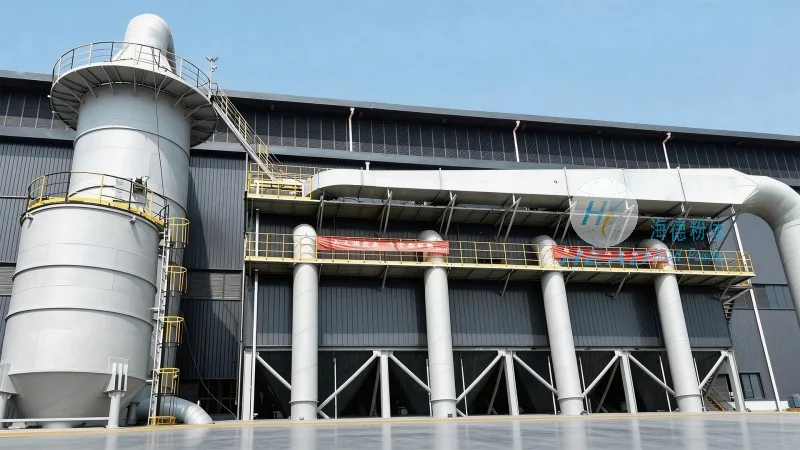
Company Introduction: HeadPowder Engineering
HeadPowder Engineering, a leading provider in the field, specializes in the design, manufacturing, and implementation of advanced powder handling solutions. With a strong presence in China, particularly in Shandong, the company has established itself as a trusted partner for businesses seeking reliable and efficient conveying systems for silicon dioxide and other fine powders. The company's expertise lies in tailoring solutions to meet specific operational needs, ensuring optimal performance and safety in powder transport processes.
Principles of Silicon Dioxide Powder Conveying
The core principles of silicon dioxide powder conveying revolve around the use of appropriate equipment that can handle the material's physical characteristics, such as its fine particle size, flowability, and potential for dust generation. Key components of a typical conveying system include feeders, conveyors, and control mechanisms. Feeders, such as rotary valves or vibratory feeders, are used to regulate the flow of powder from storage silos or hoppers into the conveying line. These devices ensure a consistent and controlled feed rate, which is essential for maintaining system efficiency and preventing blockages.
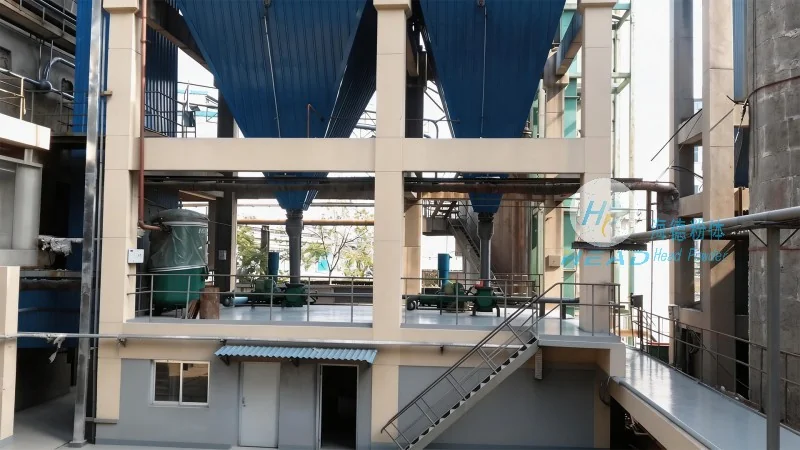
Conveyors, such as pneumatic or mechanical systems, are then employed to transport the powder from the feeding point to the discharge location. Pneumatic conveying systems utilize air pressure to move the powder through a pipeline, while mechanical conveyors, like screw conveyors or belt conveyors, rely on mechanical motion to transport the material. The choice of conveyor type depends on factors like the material's properties, the distance to be covered, and the required flow rate. For silicon dioxide, which is often light and dusty, pneumatic systems are frequently preferred due to their ability to handle fine powders without causing excessive wear or contamination.
Working Scenario Characteristics
The working scenarios for silicon dioxide powder conveying vary widely based on the application and the scale of operations. In pharmaceutical manufacturing, for instance, the conveying process must adhere to stringent hygiene and contamination control standards. This often involves the use of closed systems with HEPA filters and stainless steel components to ensure the powder remains clean and free from particulate matter. The system design in such scenarios prioritizes minimal dust generation and easy cleaning to maintain compliance with regulatory requirements.
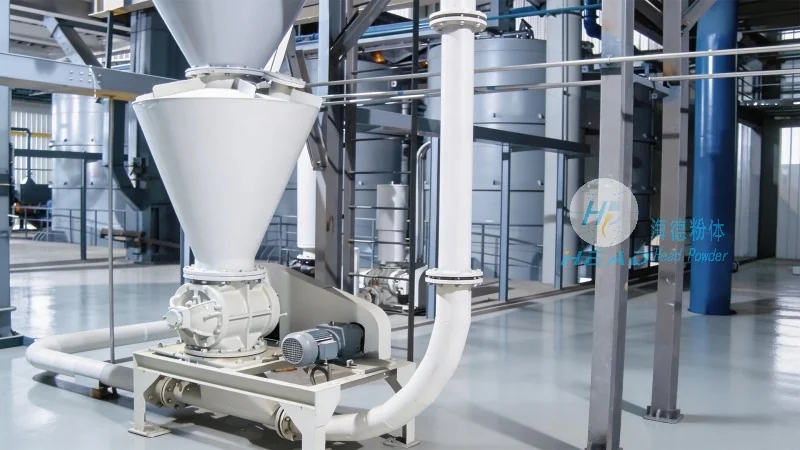
In the chemical industry, silicon dioxide is used as a filler or additive in various products. The conveying systems here may need to handle larger volumes and operate at higher speeds, requiring robust and high-capacity equipment. The focus is on efficiency and reliability, as any downtime in the conveying process can impact production schedules and profitability. Additionally, the systems may need to integrate with other processing equipment, such as mixers or reactors, to ensure seamless material flow throughout the production line.
In the construction sector, silicon dioxide is used in the production of concrete additives and other building materials. The conveying scenarios here are typically more rugged and require equipment that can withstand harsh environmental conditions, such as dust and moisture. The systems are designed for durability and long-term performance, with features like wear-resistant liners and robust motors to handle the abrasive nature of the powder. The operational characteristics in this sector emphasize the ability to handle large quantities of material over extended periods without frequent maintenance or breakdowns.
System Integration and Control
Modern silicon dioxide powder conveying systems are highly integrated and equipped with advanced control technologies. These systems often include sensors and monitoring devices that track key parameters such as flow rate, pressure, and temperature. Real-time data collection allows for immediate adjustments to the conveying process, ensuring optimal performance and preventing issues like overloading or underflow. The control systems may also include automation features, such as programmable logic controllers (PLCs), which can manage the entire operation from start to finish, reducing the need for manual intervention and minimizing human error.
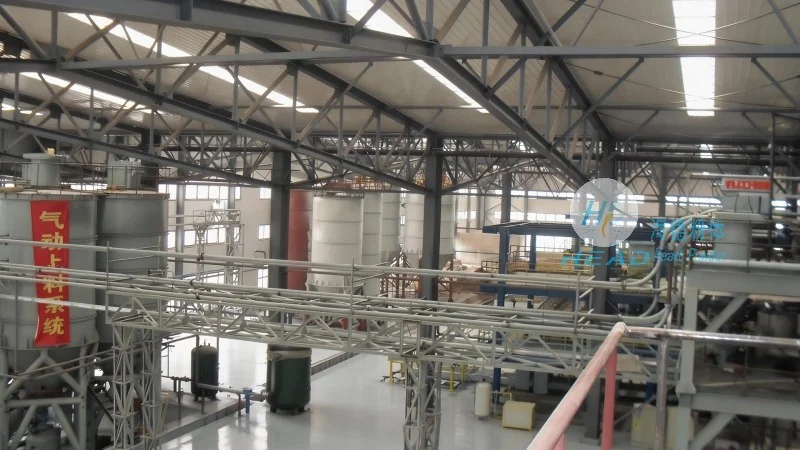
The integration of these control systems with the conveying equipment enhances overall efficiency and safety. For example, in a closed pneumatic system, pressure sensors can detect any blockages or leaks, triggering an alarm or automatic shutdown to prevent material loss or environmental contamination. Similarly, level sensors in storage silos can indicate when the material is low, prompting the feeder to adjust the flow rate or alerting operators to refill the silo. These advanced features not only improve operational efficiency but also contribute to a safer working environment by minimizing the risk of dust explosions or other hazards associated with fine powders.
Conclusion
In conclusion, the principles and working scenario characteristics of silicon dioxide powder conveying are critical for ensuring efficient and safe material handling in various industries. The use of specialized equipment, such as feeders and conveyors, combined with advanced control systems, enables the effective transport of silicon dioxide while addressing the unique challenges posed by its properties. Companies like Shandong HeadPowder Engineering Co., Ltd. play a vital role in providing tailored solutions that meet the specific needs of their clients, contributing to improved productivity and operational reliability in powder handling processes.




