HeadPowder, a leading enterprise in the field of powder handling technology, specializes in the research, development, and manufacturing of intelligent centralized powder conveying systems. These systems are designed to efficiently manage the transportation and distribution of bulk powders in industrial settings, offering enhanced control, reliability, and adaptability compared to traditional methods.
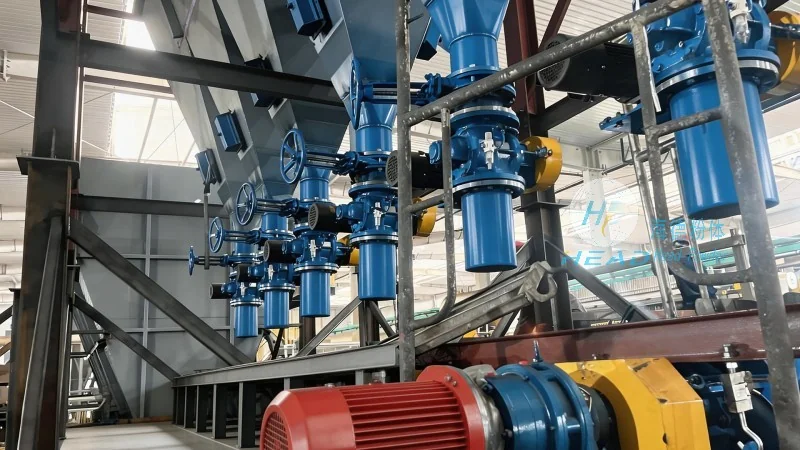
Core Principles of the Intelligent Centralized Powder Handling System
The intelligent centralized powder handling system operates on a sophisticated principle that integrates advanced automation, real-time monitoring, and data-driven decision-making. At its heart, the system utilizes a network of conveying components, such as pneumatic or mechanical conveyors, connected through a centralized control unit. This unit manages the flow of powders from storage silos or raw material sources to processing lines or packaging stations. The system employs sensors and IoT devices to continuously monitor parameters like pressure, flow rate, and material level, ensuring optimal performance and preventing operational disruptions. Additionally, the control unit processes data to adjust conveying speeds, adjust material distribution, and trigger alerts for maintenance or supply chain issues. This closed-loop control mechanism minimizes human intervention, enhancing operational efficiency and reducing the risk of errors.
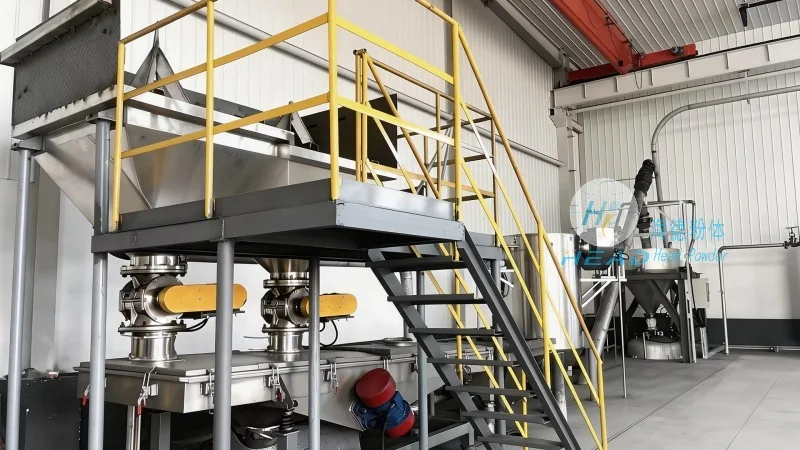
Key Features and Advantages in Practical Applications
One of the primary advantages of the intelligent centralized powder handling system is its ability to handle diverse powder types, including fine powders, granules, and bulk materials, with consistent performance. The system's modular design allows for easy integration with existing industrial infrastructure, making it suitable for retrofitting in existing facilities or as part of new plant constructions. In terms of scalability, the system can be expanded to accommodate increased production demands or additional processing lines without significant reconfiguration. Another critical feature is its energy efficiency, as the centralized control optimizes power usage based on real-time demand, reducing operational costs over time. Furthermore, the system's data analytics capabilities provide valuable insights into material usage patterns, helping businesses optimize inventory management and reduce waste. This data-driven approach not only improves operational efficiency but also supports long-term strategic planning for the company.
Specific Work Scenarios and Use Cases
The intelligent centralized powder handling system is widely applied in various industrial sectors, including pharmaceuticals, food processing, chemical manufacturing, and cement production. In pharmaceutical applications, the system ensures precise and hygienic handling of active pharmaceutical ingredients (APIs) and excipients, maintaining compliance with stringent regulatory standards. The closed-loop system minimizes cross-contamination risks and allows for real-time tracking of material batches, which is crucial for quality control and traceability. In the food industry, the system handles powders like flour, sugar, and spices, ensuring consistent quality and preventing product spoilage. The hygienic design of the components, including stainless steel construction and easy-to-clean surfaces, meets the high standards required in food processing. In chemical manufacturing, the system efficiently transports reactive powders and bulk chemicals, with safety features like pressure relief valves and emergency shut-off mechanisms to prevent accidents. The system's ability to handle hazardous materials under controlled conditions enhances workplace safety and operational reliability. In cement production, the system manages raw materials like limestone and clay, optimizing the blending process to achieve consistent product quality. The system's scalability and adaptability make it a versatile solution for large-scale industrial operations.
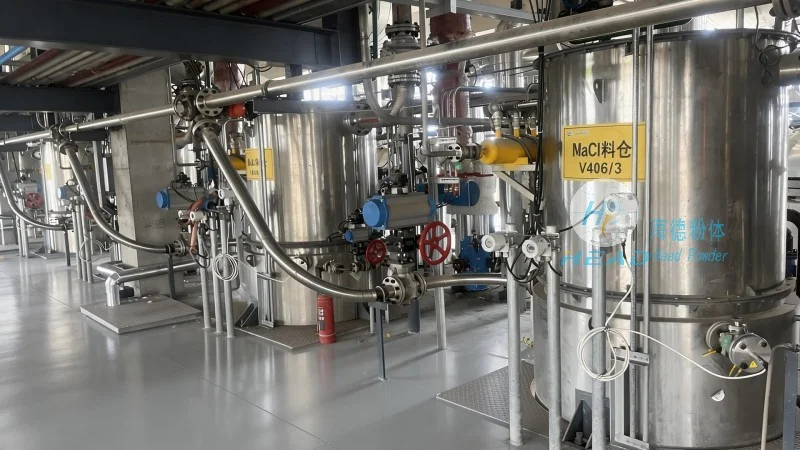
Operational Efficiency and Cost Reduction Benefits
Implementing the intelligent centralized powder handling system leads to significant improvements in operational efficiency and cost reduction. By automating the powder conveying process, the system reduces labor costs associated with manual handling and reduces the risk of human error. The real-time monitoring and control features minimize downtime by detecting and addressing issues before they escalate into major problems. This proactive maintenance approach extends the lifespan of equipment and reduces repair costs. Additionally, the system's energy-efficient design lowers electricity consumption, contributing to lower operational expenses. The data analytics capabilities provide insights into material usage and inventory levels, enabling businesses to optimize stock levels and reduce storage costs. Over time, these benefits translate into higher profitability and a competitive edge in the market. The system's reliability also reduces the need for emergency interventions, which can be costly and disruptive to production schedules.




