HeadPowder, a leading manufacturer based in Shandong, China, specializes in the design and implementation of efficient conveying systems for sulfate nickel crystal powders. This article delves into the fundamental principles behind the process and highlights the key characteristics of its application scenarios.
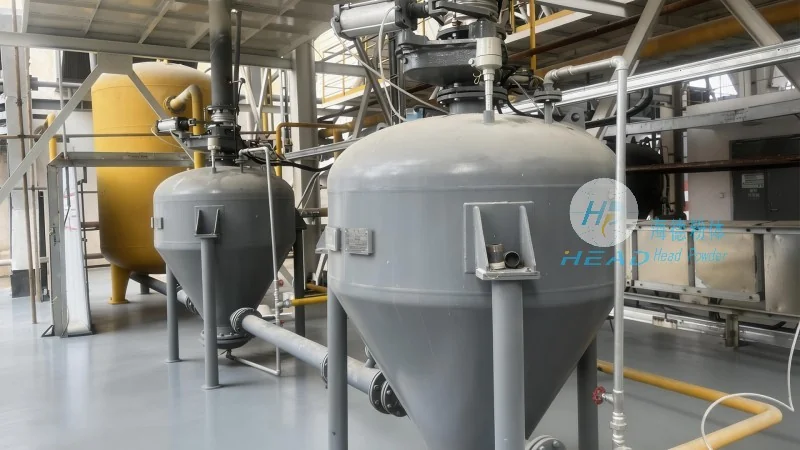
Understanding the Conveying Principles of Sulfate Nickel Crystal Powders
The conveying of sulfate nickel crystal powders involves a series of mechanical and operational steps aimed at ensuring safe, reliable, and efficient material transport. At the core of this process is the use of specialized equipment designed to handle the unique properties of nickel sulfate crystals, such as their granular structure, moisture content, and potential for caking. The primary principles include the use of positive displacement or pneumatic conveying methods, which are selected based on the specific characteristics of the powder and the operational requirements of the application.
Positive displacement conveyors, for instance, use rotating components like screws or lobed pumps to move the powder in a continuous manner. This method is particularly effective for handling materials with higher bulk density and lower flowability, as it provides consistent pressure and flow rates. On the other hand, pneumatic conveying systems utilize air or other gases to transport the powder through a pipeline. These systems are often preferred for applications requiring long-distance transport or the handling of materials with low bulk density and good flowability. The choice between these methods depends on factors such as the scale of operation, the distance to be covered, and the desired level of control over the conveying process.
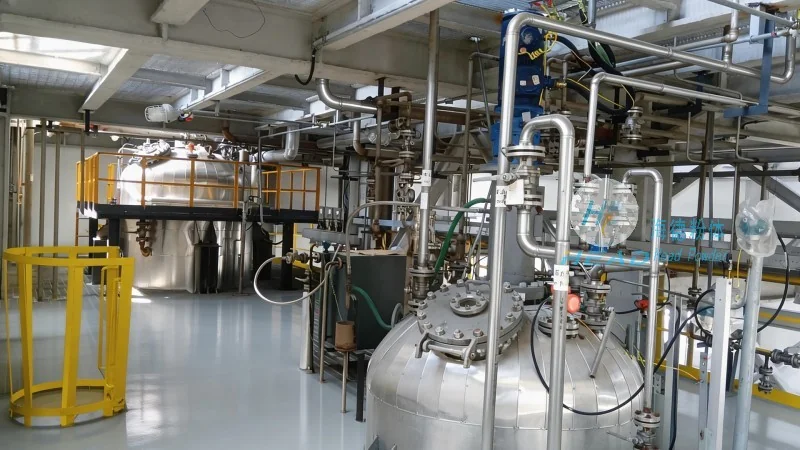
In addition to the conveying method, the design of the system incorporates elements like hopper design, feeding mechanisms, and control systems. The hopper, where the powder is stored before transport, is typically designed with a conical or wedge shape to promote flow and prevent bridging or caking. Feeding mechanisms, such as rotary valves or vibratory feeders, ensure a controlled and steady flow of the powder into the conveying line. Control systems, including pressure sensors and flow meters, monitor the performance of the system in real-time, allowing for adjustments to maintain optimal operation. These components work in tandem to ensure that the sulfate nickel crystal powder is conveyed efficiently and without damage to the material.
Key Characteristics of Working Scenarios for Sulfate Nickel Crystal Powder Conveying
The working scenarios for sulfate nickel crystal powder conveying vary widely depending on the industry and the specific application. Understanding these characteristics is crucial for selecting the appropriate conveying system and ensuring its effectiveness. One common scenario is in the battery manufacturing industry, where sulfate nickel is used as a key component in the production of nickel-based batteries. In this context, the conveying system must be capable of handling large volumes of powder and maintaining a consistent quality, as any variations in the material can affect the performance of the final battery product.
Another important application is in the chemical processing sector, where sulfate nickel is used as a precursor in the synthesis of other chemical compounds. Here, the conveying system may need to integrate with other processing equipment, such as reactors or mixers, to ensure a seamless flow of materials. The system must also be designed to handle the potential presence of moisture or other contaminants, which could affect the purity of the final product. In such scenarios, the conveying system plays a critical role in maintaining the quality and consistency of the material throughout the production process.
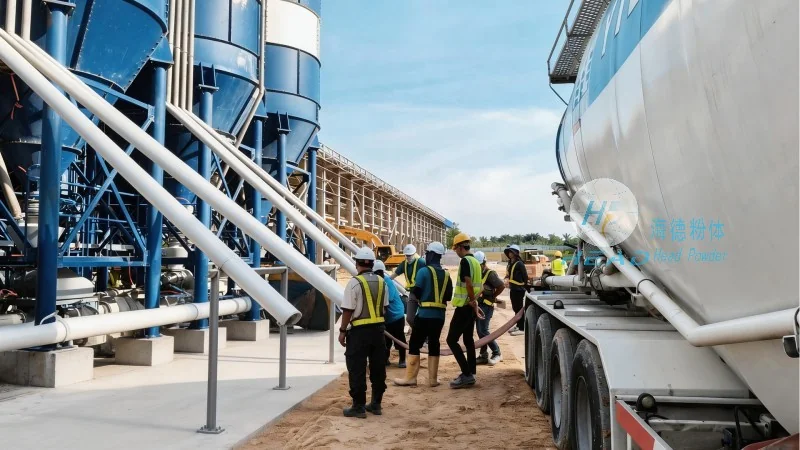
Furthermore, the working scenarios may involve different environmental conditions, such as temperature and humidity variations. For example, in outdoor or industrial settings, the conveying system may be exposed to harsh weather conditions, requiring the use of corrosion-resistant materials and protective enclosures. The system design must also consider the need for safety features, such as dust suppression and explosion-proof components, to ensure compliance with regulatory standards and protect personnel from potential hazards.
In summary, the working scenarios for sulfate nickel crystal powder conveying are diverse and require tailored solutions to meet the specific needs of each application. By understanding the principles of conveying and the characteristics of the working scenarios, manufacturers can select the most appropriate system to ensure efficient and reliable material transport, ultimately contributing to the success of their operations.




