HeadPowder, a leading enterprise based in Shandong, China, specializes in the research, development, and application of advanced powder material conveying technologies tailored for the lithium-ion battery industry. The company's core focus is on optimizing the handling of positive and negative electrode materials, which are critical components in the production of lithium-ion batteries. This article delves into the fundamental principles of powder material conveying systems and highlights the distinct characteristics of various working scenarios where these technologies are applied.
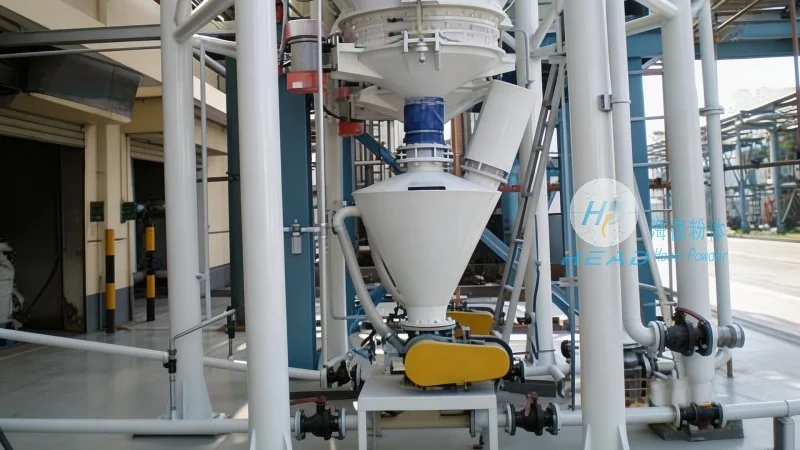
Understanding the Core Principles of Powder Material Conveying
The process of conveying powder materials for lithium-ion battery electrode production involves several key principles that ensure efficiency, accuracy, and safety. At the heart of these systems is the ability to transport fine powders, such as lithium cobalt oxide (LCO) for positive electrodes and graphite or lithium iron phosphate (LFP) for negative electrodes, from storage to processing equipment. The primary goal is to maintain the integrity of the powder particles, prevent agglomeration, and minimize dust generation during transport. This is achieved through a combination of mechanical and pneumatic conveying methods, each with its own advantages and limitations.
One of the fundamental principles is the control of particle flow and velocity. In mechanical conveying, such as screw conveyors or belt conveyors, the speed and angle of the conveying equipment are carefully calibrated to prevent particle breakage and ensure consistent material movement. For example, screw conveyors use rotating screws to push powders forward, while belt conveyors rely on friction between the belt and the material to move it. These methods are particularly effective for bulk materials but may not be suitable for very fine powders that are prone to clogging or dusting.
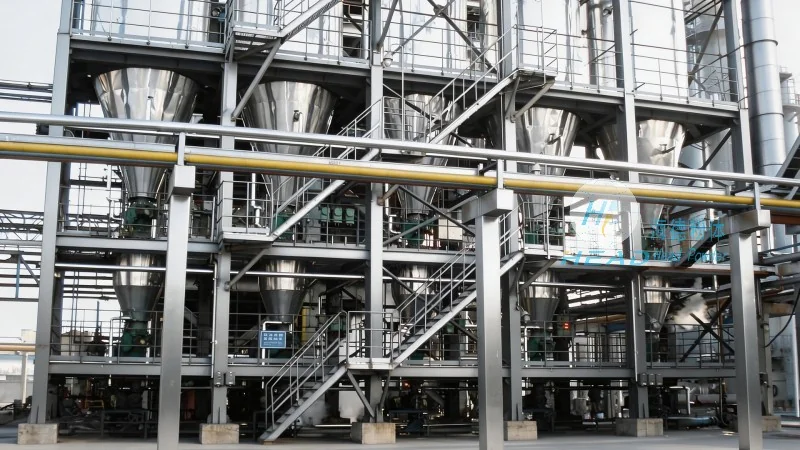
Pneumatic conveying, on the other hand, utilizes air pressure to transport powders through a pipeline system. This method is ideal for fine powders that require gentle handling to avoid particle degradation. There are two main types of pneumatic conveying: pressure and vacuum systems. Pressure systems use compressed air to push the material through the pipeline, while vacuum systems use suction to draw the material in. The choice between these systems depends on factors like the material's properties, the distance to be conveyed, and the required flow rate. For instance, pressure systems are often preferred for short distances and high flow rates, whereas vacuum systems are better suited for longer distances and more delicate powders.
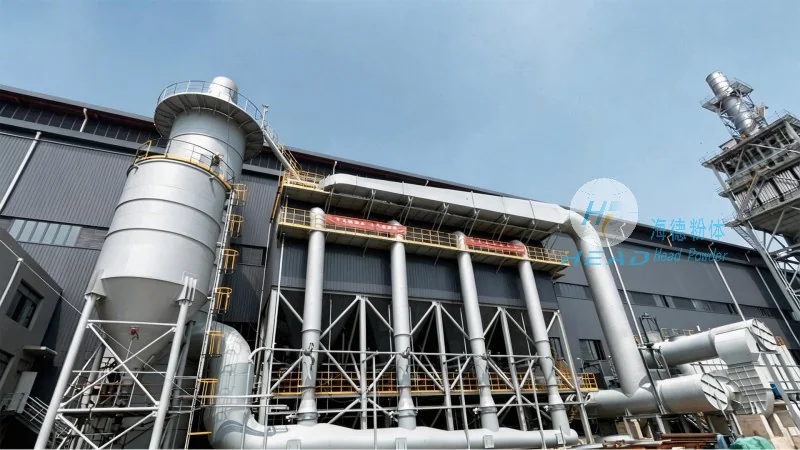
Characteristics of Working Scenes in Powder Material Conveying
The working scenes where powder material conveying systems are deployed vary significantly based on the production environment and the specific requirements of the lithium-ion battery manufacturing process. Each scenario presents unique challenges and demands tailored solutions to ensure optimal performance.
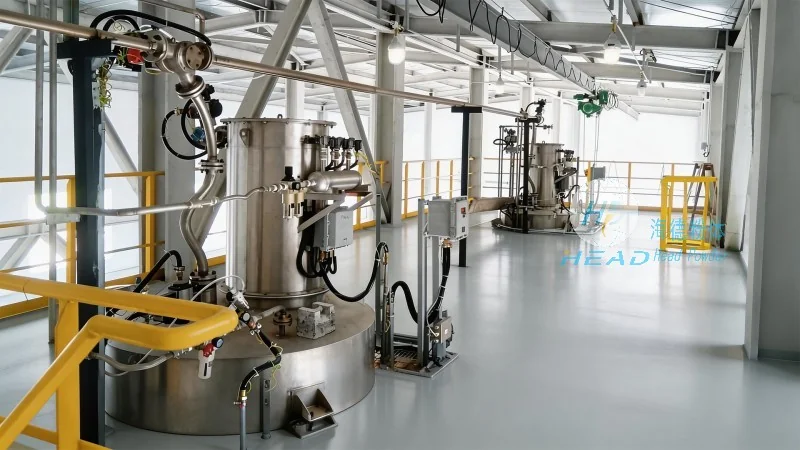
First, the production line environment is a common working scene. In this setting, the conveying system is integrated into a continuous production line, where materials are transported from raw material storage to mixing, coating, and drying equipment. The key characteristics here include high throughput, consistent material flow, and the need for minimal downtime. For example, in a large-scale battery manufacturing plant, the conveying system must handle large volumes of electrode materials while maintaining precise control over particle size and moisture content. This requires robust equipment with high reliability and easy maintenance. HeadPowder's solutions often involve customized conveyor designs that can handle high capacities and operate continuously for extended periods without interruption.
Second, the laboratory and R&D setting represents another important working scene. In this environment, the focus is on testing and developing new materials and conveying methods. The characteristics here are more about flexibility and precision rather than high throughput. Researchers may need to convey small quantities of specialized powders, such as novel cathode materials or advanced anode additives, and require systems that can handle low flow rates and provide accurate measurement of material properties. Pneumatic conveying systems are often preferred in laboratories due to their ability to handle fine powders without generating excessive dust and their ease of cleaning and maintenance. HeadPowder's R&D solutions typically include compact, modular conveying units that can be easily adjusted to accommodate different material types and testing parameters.




