Corundum, a high-purity form of aluminum oxide, is widely utilized across diverse industrial sectors due to its exceptional hardness, thermal stability, and chemical resistance. The efficient handling of corundum materials is critical for optimizing production workflows and ensuring operational efficiency. This article delves into the fundamental principles of corundum material transport and outlines the key characteristics of its operational environments.
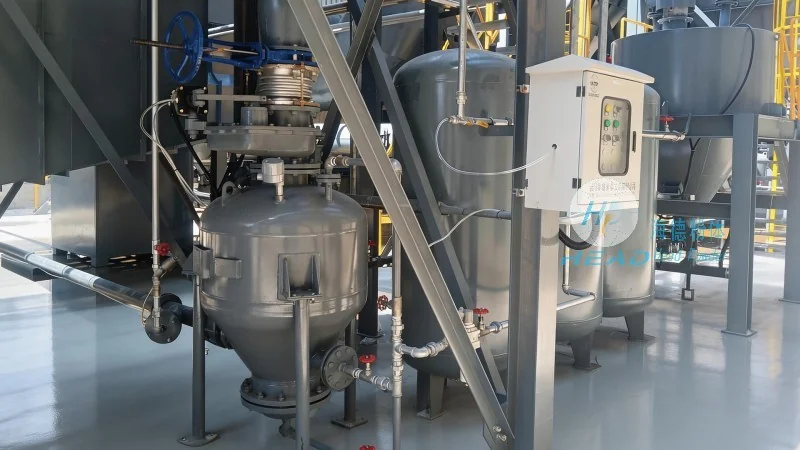
Introduction to Corundum Material Handling
Corundum material handling encompasses the movement, storage, and transfer of corundum powders or granules within industrial settings. The process necessitates specialized equipment engineered to manage the material's abrasive and dense properties. At Shandong HeadPowder Engineering Co., Ltd., we specialize in delivering tailored solutions for corundum material transport, leveraging advanced engineering and material science expertise to meet industry demands.
HeadPowder: A Leading Provider of Corundum Handling Solutions
HeadPowder, a prominent company headquartered in Shandong, China, is dedicated to providing high-quality engineering solutions for material handling applications. With a strong commitment to innovation and customer satisfaction, HeadPowder has established itself as a trusted partner in the industry. The company's operational base is located in Shandong, China, where it operates a state-of-the-art facility focused on research, development, and manufacturing of material handling equipment.
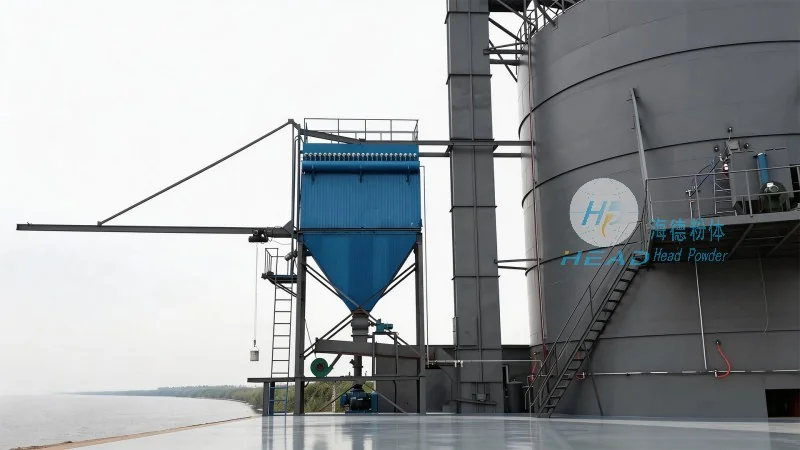
The Principle of Corundum Material Transport
The core principle of corundum material handling revolves around the use of robust and durable equipment capable of withstanding the material's abrasive nature. Key components include conveyor systems, pneumatic transport systems, and storage silos. These systems are designed to minimize material degradation while ensuring efficient transfer. For instance, pneumatic conveying systems utilize air pressure to move corundum particles through pipelines, reducing the risk of blockages and wear on equipment. Additionally, the use of high-quality seals and bearings in conveyor mechanisms helps to extend the operational life of the machinery.
Working Scene Characteristics of Corundum Material Handling
The operational environments for corundum material handling vary significantly based on the specific industrial application. In manufacturing facilities, corundum is often employed as an abrasive in grinding and polishing processes. The handling systems in these settings must be capable of handling high volumes of material while maintaining precise control over particle size and distribution. For example, in ceramic production, corundum serves as a raw material, and the handling equipment must ensure consistent quality and purity. In contrast, in refractory applications, corundum is used to create high-temperature resistant materials, requiring specialized handling to prevent contamination and maintain thermal stability.
Technical Considerations for Corundum Material Handling
Several technical factors must be considered when designing and implementing corundum material handling systems. Firstly, the material's density and particle size distribution play a critical role in determining the appropriate conveyor speed and pressure for pneumatic systems. Secondly, the choice of equipment materials, such as stainless steel or special alloys, is essential to prevent corrosion and wear from the abrasive nature of corundum. Thirdly, the integration of automation and control systems allows for real-time monitoring and adjustment of the material flow, enhancing operational efficiency and reducing downtime. These considerations are crucial for ensuring the long-term reliability and performance of the handling systems.
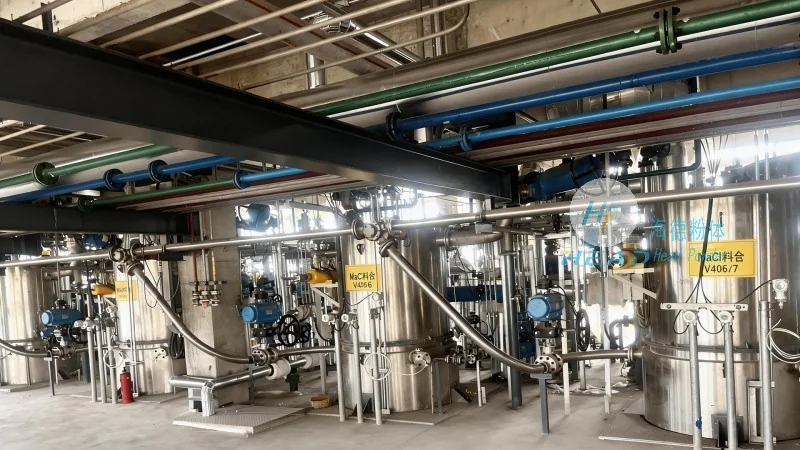
Application Examples in Industrial Settings
Corundum material handling solutions are widely applied in various industrial sectors. In the aerospace industry, corundum is used to produce high-performance ceramics for aircraft components, and the handling systems must meet stringent quality standards. In the automotive industry, corundum is used as an abrasive in polishing and finishing processes, requiring precise control over material flow to achieve smooth surface finishes. Additionally, in the chemical industry, corundum is used as a catalyst support material, and the handling equipment must ensure minimal contamination and consistent particle size. These applications highlight the versatility and importance of efficient corundum material transport in modern industrial operations.
Conclusion
In conclusion, the efficient handling of corundum materials is essential for optimizing industrial processes and ensuring product quality. By understanding the fundamental principles of corundum material transport and considering the specific characteristics of working environments, companies can implement effective solutions that enhance operational efficiency and reduce costs. Shandong HeadPowder Engineering Co., Ltd. continues to lead in providing advanced engineering solutions for corundum material handling, supporting industries worldwide in achieving their production goals.




