For industrial operations involving plastic powders, efficient material handling is crucial to ensure smooth production processes and maintain product quality. This article explores the fundamental principles of plastic powder material handling and highlights key application scenarios where specialized equipment and systems are employed.
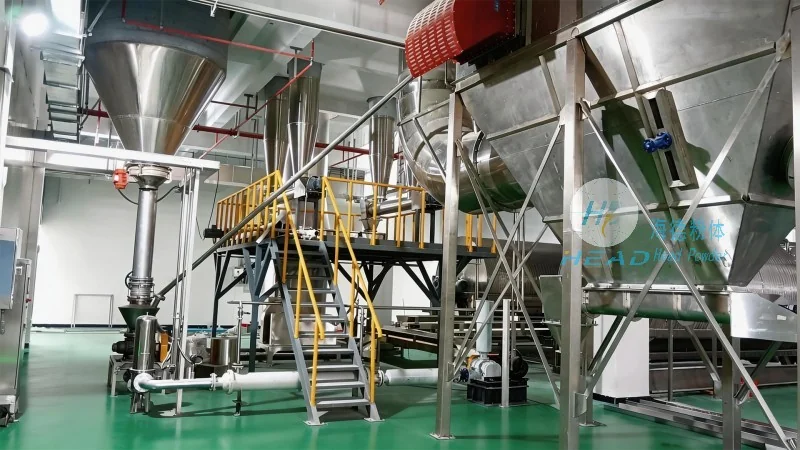
Introduction to Plastic Powder Material Handling
Plastic powder material handling refers to the methods and technologies used to transport, store, and manage plastic powders within industrial settings. These powders are commonly used in various manufacturing processes, including polymer production, plastic molding, and composite material fabrication. The effectiveness of material handling systems directly impacts production efficiency, safety, and the overall cost of operations. Companies like Shandong HeadPowder Engineering Co., Ltd., based in Shandong, China, specialize in designing and implementing tailored material handling solutions for plastic powder applications.
Core Principles of Plastic Powder Material Handling
The primary principle behind plastic powder material handling is the ability to move powders from one location to another with minimal loss, contamination, and energy consumption. Key factors influencing the choice of handling method include the physical properties of the plastic powder (such as particle size, density, and moisture content), the required handling capacity, and the distance over which the material must be transported. Several common techniques are employed, with each having distinct advantages and limitations.
Common Material Handling Methods for Plastic Powders
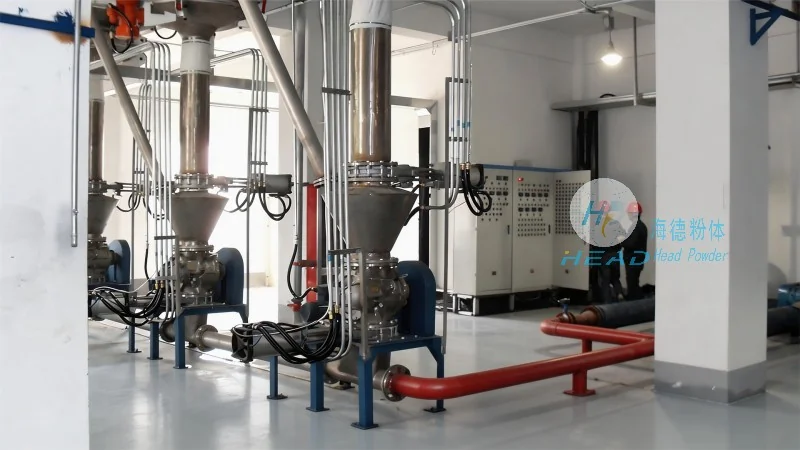
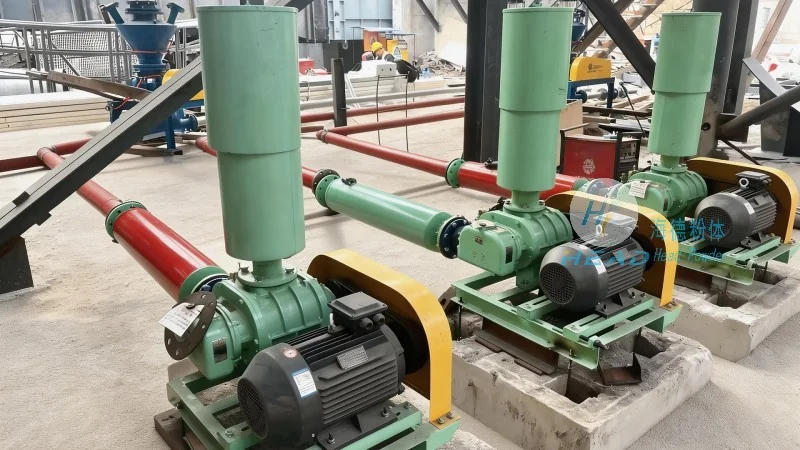
1. Air-Driven Pneumatic Conveying: This method uses compressed air to transport plastic powders through a network of pipes. It is ideal for handling fine powders and can achieve high transport velocities, making it suitable for long-distance and high-volume applications. Pneumatic systems are often preferred for their ability to handle powders with moisture or contaminants, as the air stream can help to dry and clean the material during transport.
2. Screw Conveyors: Screw conveyors use a rotating screw (auger) to move plastic powders along a trough. This method is suitable for horizontal or slightly inclined transport and is commonly used in applications where the powder needs to be mixed or blended. Screw conveyors are relatively simple in design and can handle a wide range of plastic powders, including those with varying particle sizes and moisture levels.
3. Vibrating Conveyors: Vibrating conveyors utilize vibrations to move plastic powders through a trough. This method is effective for handling bulk materials and can be used for both horizontal and inclined transport. Vibrating systems are particularly useful for materials that are prone to caking or bridging, as the vibrations help to break up agglomerates and maintain flow.
Application Scenarios in Industrial Settings
Plastic powder material handling systems are widely used across various industries, each with specific requirements that influence the choice of equipment. Below are some common application scenarios where specialized handling solutions are essential:
1. Plastic Manufacturing Plants
In plastic manufacturing plants, material handling systems are critical for feeding raw plastic powders into extruders, mixers, and other processing equipment. The goal is to ensure a consistent and uninterrupted supply of material to maintain production rates and product quality. For example, in the production of polyethylene or polypropylene, plastic powders need to be conveyed from storage silos to processing lines without segregation or degradation. Companies like HeadPowder, with expertise in material handling, provide customized solutions that integrate with existing production lines to optimize efficiency.
2. Chemical and Polymer Production Facilities
Chemical and polymer production facilities often handle a variety of plastic powders, including monomers and additives. The material handling systems in these settings must be designed to prevent cross-contamination and ensure precise dosing of materials. Pneumatic conveying systems are commonly used to transport reactive powders safely, while screw conveyors may be employed for bulk storage and transfer. The ability to handle powders with varying moisture content and particle sizes is crucial for maintaining the quality of the final polymer products.
3. Food and Pharmaceutical Industries
While less common for plastic powders, some applications involve handling plastic powders in food or pharmaceutical processing. In such cases, material handling systems must meet stringent hygiene and safety standards. The use of stainless steel components, sealed systems, and advanced filtration is essential to prevent contamination and ensure compliance with regulatory requirements. Companies specializing in industrial material handling, such as Shandong HeadPowder Engineering Co., Ltd., offer solutions tailored to meet the strictest industry standards.
4. Recycling and Waste Management
Plastic recycling facilities rely on efficient material handling systems to process post-consumer plastic waste into reusable powders. The handling of recycled plastic powders often involves challenges such as contamination from other materials and varying particle sizes. Advanced material handling technologies, including air classifiers and magnetic separators, are used to sort and clean the powders before they are reprocessed. The goal is to maximize the recovery rate of usable plastic material and minimize waste.
Key Considerations for Effective Plastic Powder Handling
When designing or selecting a plastic powder material handling system, several factors must be considered to ensure optimal performance and longevity. These include:
1. Material Properties
The physical properties of the plastic powder, such as particle size distribution, bulk density, and flowability, directly impact the choice of handling method. For example, fine powders with poor flowability may require the use of air classifiers or vibratory feeders to prevent clogging and ensure consistent flow.
2. Handling Capacity and Distance
The required handling capacity (in tons per hour) and the distance over which the material must be transported are critical parameters. For short distances and low capacities, a screw conveyor may be sufficient, while long-distance and high-capacity applications often require pneumatic conveying systems.
3. Environmental and Safety Factors
Material handling systems must comply with environmental regulations and ensure worker safety. This includes considerations such as dust control, explosion-proof designs for flammable powders, and the use of sealed systems to prevent dust emissions. Companies like HeadPowder prioritize safety and environmental compliance in their design and implementation of material handling solutions.
4. Integration with Existing Systems
Many industrial facilities already have existing material handling infrastructure. The new system must be compatible with the existing equipment to avoid disruptions and ensure seamless integration. This may involve matching the speed, pressure, or power requirements of the new system with the existing components.
Conclusion
Efficient plastic powder material handling is a cornerstone of modern industrial operations, enabling companies to maintain high production rates, ensure product quality, and reduce operational costs. By understanding the core principles of material handling and selecting the appropriate equipment, industries can optimize their processes and stay competitive. Companies like Shandong HeadPowder Engineering Co., Ltd., with their expertise in material handling solutions, play a vital role in supporting the plastic manufacturing and processing industries. Whether in plastic manufacturing, chemical production, or recycling, specialized material handling systems are essential for achieving operational excellence.




