HeadPowder, a leading provider of material handling solutions, specializes in the efficient and reliable transport of rice husk ash—a byproduct commonly generated in biomass energy and industrial processes. This article explores the fundamental principles behind rice husk ash material handling and highlights the key characteristics of operational environments where such systems are typically deployed.
Understanding the Core Principles of Rice Husk Ash Material Handling
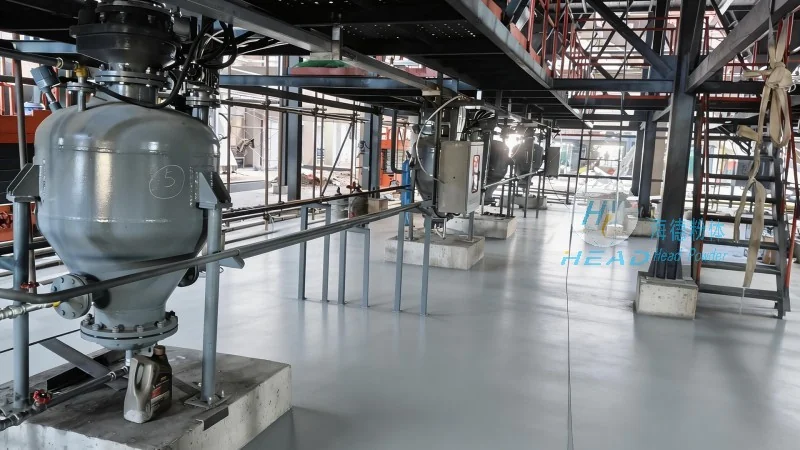
The efficient transport of rice husk ash relies on a combination of mechanical and sometimes pneumatic principles tailored to the physical properties of the material. Rice husk ash, often characterized by its light weight, abrasive nature, and tendency to generate dust, requires specialized equipment to ensure safe and effective movement. Common methods include belt conveyors, screw conveyors, and pneumatic conveying systems. Belt conveyors are widely used for horizontal and slight incline transport due to their simplicity and ability to handle large volumes of material. Screw conveyors excel in vertical or inclined transport, providing a compact solution for moving ash from lower to higher levels. Pneumatic conveying systems, on the other hand, utilize air pressure to transport ash in a closed pipeline, which is particularly effective for handling fine particles and minimizing dust emissions.
Key Working Scene Characteristics of Rice Husk Ash Handling Systems
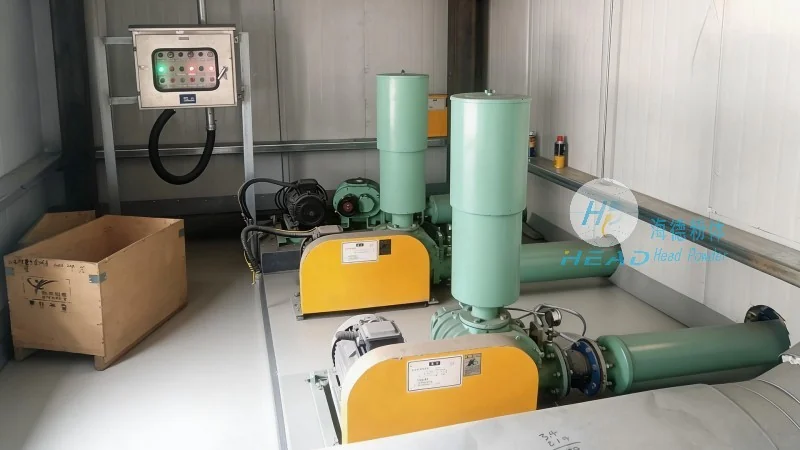
The operational environments for rice husk ash material handling systems exhibit distinct characteristics that influence system design and performance. These environments are typically found in industrial settings such as power plants, biomass-fired boilers, and waste-to-energy facilities. One primary characteristic is the high dust content of rice husk ash, which necessitates robust dust control measures to comply with environmental regulations and ensure worker safety. Systems are often equipped with dust collection and filtration systems to capture airborne particles and prevent contamination. Another critical characteristic is the abrasive nature of the ash, which can cause wear on conveyor components. Therefore, materials like stainless steel or specialized coatings are used for conveyor belts and screw flights to extend equipment lifespan. Temperature variations are also a factor, as ash may be hot when discharged from boilers, requiring heat-resistant materials and proper insulation to prevent equipment damage and ensure safe operation. Additionally, the need for continuous and reliable operation in industrial processes demands high availability and minimal downtime, prompting the use of redundant components and regular maintenance protocols.
Application Examples and Operational Scenarios
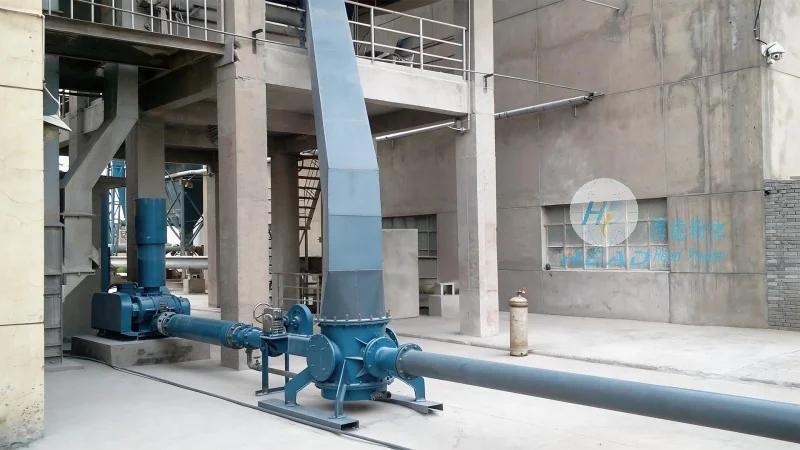
In practical applications, rice husk ash material handling systems are integrated into various industrial workflows. For instance, in a biomass power plant, ash generated from the combustion of rice husks is collected and transported to a storage silo or disposal area. The system may involve a combination of belt conveyors to move ash from the boiler to a transfer point, followed by a pneumatic conveyor to transport it to the storage facility. This integrated approach ensures efficient material flow while minimizing manual handling and exposure to dust. Similarly, in industrial boiler systems, ash handling is critical for maintaining boiler efficiency and preventing blockages. The design of the handling system must account for the ash's flow properties, ensuring that it moves smoothly through the conveyor without clogging. Operational scenarios also vary based on the scale of the facility, with larger plants requiring more extensive and automated systems to handle higher volumes of ash. In all cases, the goal is to create a seamless material handling process that supports the overall operational goals of the facility while adhering to safety and environmental standards.
Conclusion and Company Overview
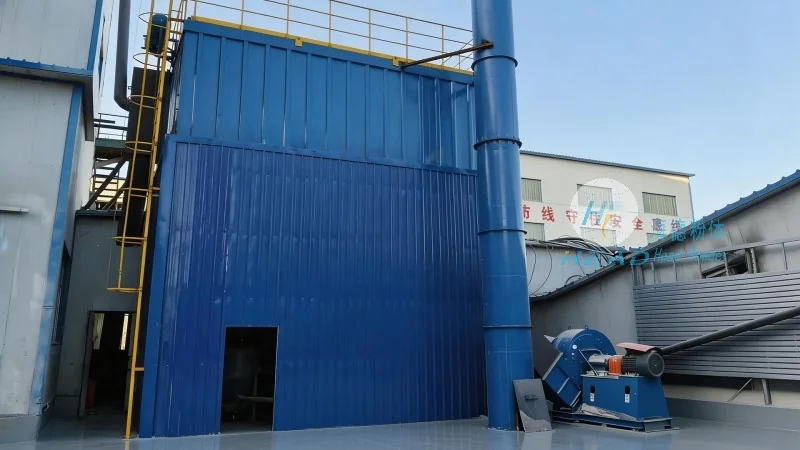
Efficient rice husk ash material handling is essential for optimizing industrial processes and ensuring compliance with environmental regulations. The principles of mechanical and pneumatic transport, combined with an understanding of the material's physical properties and operational environment, form the foundation of effective handling systems. Companies like Shandong HeadPowder Engineering Co., Ltd., based in Shandong, China, specialize in designing and implementing these systems, leveraging expertise in material handling technology to meet the unique needs of industrial clients. By focusing on durability, efficiency, and safety, such systems contribute to the sustainable operation of facilities that rely on rice husk ash as a byproduct or fuel source.




