Understanding the principles and operational characteristics of cassava material conveying is crucial for optimizing processing efficiency in agricultural and industrial applications. This article explores the fundamental mechanisms behind cassava material handling, focusing on the technical aspects and practical applications that define effective systems for this specific crop. By examining the core principles and typical working environments, we can better appreciate how these systems contribute to the overall productivity and reliability of cassava processing operations.
Core Principles of Cassava Material Conveying
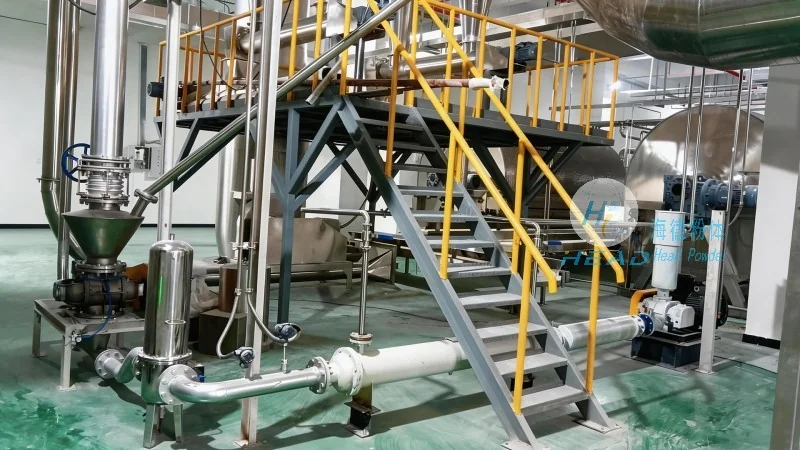
The fundamental principle of cassava material conveying revolves around the efficient movement of raw cassava tubers from storage or harvesting areas to processing units. This process is typically driven by mechanical systems designed to handle the unique physical properties of cassava, such as its size (ranging from small to large tubers), density, and moisture content. Key components include conveyor belts, elevators, and feeding mechanisms that work in tandem to ensure smooth material flow. The design of these systems must account for factors like the cassava's susceptibility to bruising and the need for gentle handling to preserve quality. Advanced systems often incorporate variable speed controls and adjustable feed rates to accommodate different processing stages, from initial sorting (where damaged or unripe tubers are removed) to final preparation for processing (such as peeling or slicing). The goal is to minimize material damage while maximizing throughput, which directly impacts the overall efficiency of the cassava processing operation.
Working Scene Characteristics and Applications
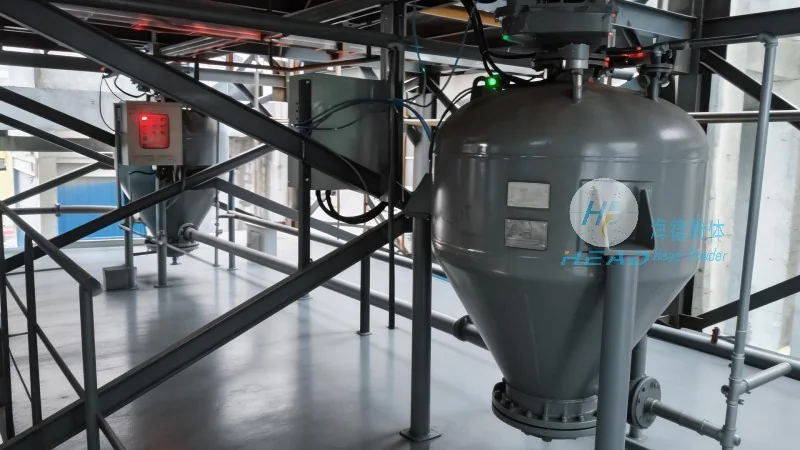
The working scene characteristics of cassava material conveying systems vary significantly based on the specific application and scale of operation. In large-scale industrial processing facilities, these systems are integrated into comprehensive processing lines that handle thousands of tons of cassava per day. The working environment is characterized by high throughput, automated operations, and specialized equipment designed for continuous, unattended operation. For example, in a starch production plant, the conveying system may feed cassava into a washing unit, followed by a peeling machine, and then to a milling station. The system must handle the cassava at various stages, ensuring that each piece is processed correctly without loss or damage. Conversely, in smaller-scale or rural processing setups, the systems may be more manual or semi-automated, with operators closely monitoring the material flow to ensure quality control. These setups often serve local communities or small-scale farmers, where the focus is on processing cassava for local consumption or small-scale commercial use. The working scene also includes considerations for environmental factors, such as temperature and humidity, which can affect the cassava's condition during transport. Proper ventilation and moisture control are essential to prevent spoilage and maintain the cassava's integrity throughout the conveying process. For instance, in tropical climates where cassava is commonly grown, the conveying systems may need to be designed with heat-resistant materials and cooling mechanisms to keep the tubers at optimal temperatures.
Technical Specifications and Equipment Used
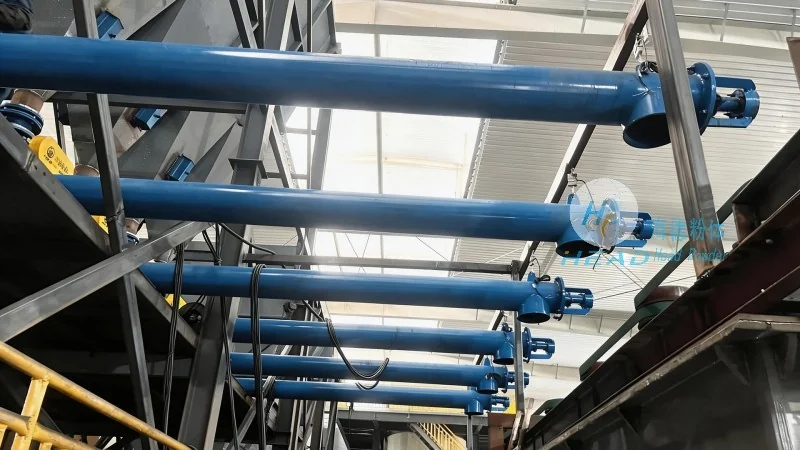
Various types of equipment are employed in cassava material conveying, each suited to specific operational requirements. Belt conveyors are commonly used for horizontal and slight incline transport due to their flexibility and ability to handle large volumes. They consist of a continuous belt looped over pulleys, with the material placed on the belt and carried to the desired location. The speed of the belt can be adjusted to control the material flow rate, making them suitable for both high-speed industrial operations and slower, more controlled processes. Screw conveyors, or augers, are ideal for vertical lifting and compact spaces, providing efficient vertical transport with minimal space requirements. These systems use a rotating screw to push material upward, and they are particularly useful in areas where horizontal space is limited. Pneumatic conveyors, using air pressure to move material, are suitable for dusty or light cassava pieces but may require additional filtration systems to maintain air quality. They work by creating a vacuum or pressure difference to draw or push the material through a pipeline. The choice of equipment depends on factors like the processing capacity, available space, and the specific characteristics of the cassava being handled. Modern systems often incorporate sensors and monitoring systems to track material flow, detect blockages, and adjust operation parameters in real-time, enhancing overall system reliability and efficiency. For example, a sensor can detect a blockage in the conveyor and automatically shut down the system to prevent damage, while another sensor can monitor the speed of the belt to ensure consistent material flow.




