Denitrization ash material handling is a critical process in modern industrial applications, particularly within power generation and environmental protection sectors. This article provides an in-depth exploration of the underlying principles and key characteristics of the working scenarios involved in transporting denitrization ash, offering insights into the technical aspects and practical applications of this essential operation.
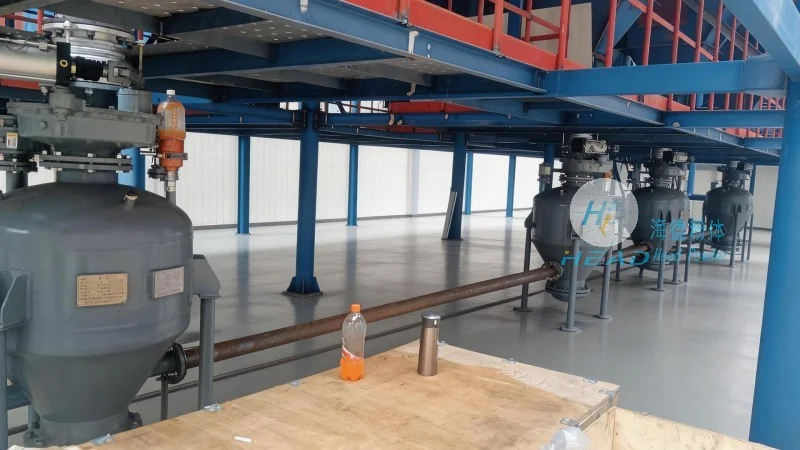
Introduction to Denitrization Ash and Material Handling
Denitrization ash, also known as flue gas desulfurization (FGD) gypsum or desulfurization byproduct, is a fine particulate material generated during the process of removing nitrogen oxides from flue gases in thermal power plants. The efficient handling and transportation of this material are vital for maintaining operational efficiency and ensuring compliance with environmental regulations. The process involves specialized equipment and systems designed to manage the unique physical and chemical properties of denitrization ash, such as its high moisture content, fine particle size, and potential for dust generation.
Principles of Denitrization Ash Material Handling
The core principles of denitrization ash material handling revolve around the safe and effective transport of the byproduct from the point of generation to its final disposal or utilization site. Key principles include:
1. **Mechanical Handling and Conveying**: Utilizing conveyor systems, such as belt conveyors, screw conveyors, and pneumatic conveying pipelines, to move the ash from the desulfurization unit to storage or processing facilities. These systems are engineered to handle the abrasive and moisture-rich nature of denitrization ash, ensuring minimal wear and optimal performance.
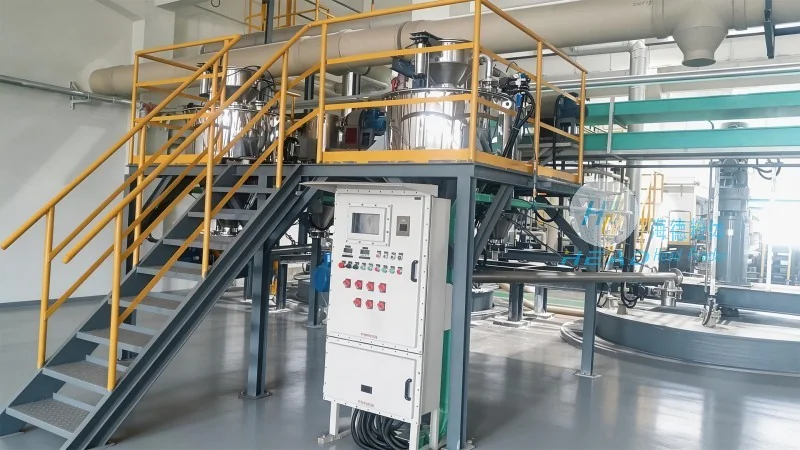
2. **Dust Control and Environmental Protection**: Implementing dust suppression measures, including wetting systems, dust collectors, and enclosed conveyor designs, to prevent airborne particulate emissions and protect both personnel and the environment. This is crucial due to the fine particle size of the ash, which can pose respiratory and ecological risks if not properly contained.
3. **Process Integration and Automation**: Integrating the ash handling system with the overall power plant operations to achieve seamless material flow. Automation technologies, such as sensors and control systems, are employed to monitor and regulate the conveying process, enhancing operational reliability and reducing human error.
Working Scene Characteristics of Denitrization Ash Material Handling
The working scenarios for denitrization ash material handling exhibit distinct characteristics that influence the design and implementation of handling systems. These characteristics include:
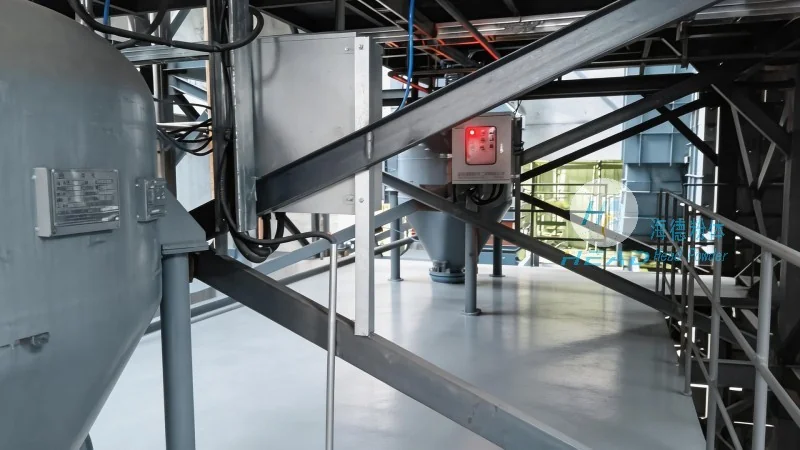
1. **Industrial Environment**: The operations typically occur within large-scale industrial facilities, such as thermal power plants, where the ash is generated in high volumes. The working environment is characterized by high temperatures, moisture, and the presence of other industrial byproducts, requiring robust and durable equipment.
2. **Material Properties**: Denitrization ash is a fine, hygroscopic material with a high moisture content, which can lead to caking and blockages in conveying systems. The material is also abrasive, necessitating the use of high-quality components and regular maintenance to prevent equipment failure.
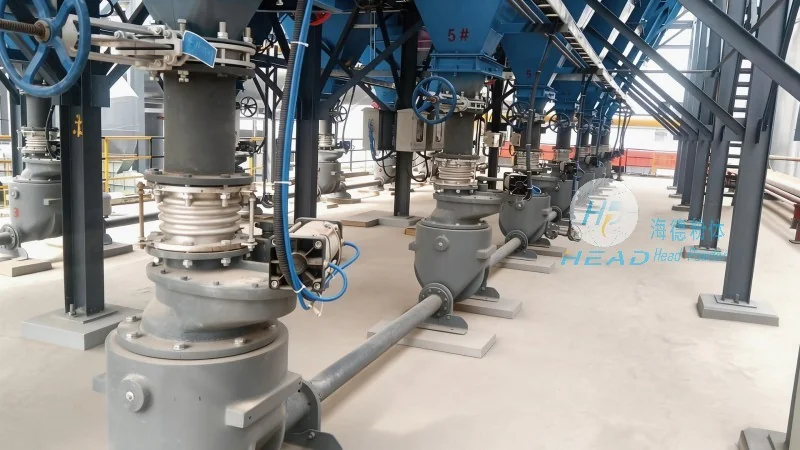
3. **Safety and Compliance**: Strict adherence to safety standards and environmental regulations is paramount. The handling process must minimize the risk of dust explosions, ensure proper waste disposal, and comply with local and national environmental laws. This often involves the implementation of comprehensive safety protocols and regular inspections.
Company Profile: Shandong HeadPowder Engineering Co., Ltd.
Shandong HeadPowder Engineering Co., Ltd., a leading provider of industrial material handling solutions, specializes in the design, manufacturing, and installation of systems tailored for denitrization ash and other industrial byproducts. With a strong commitment to innovation and quality, the company has established itself as a trusted partner in the power generation and environmental sectors. HeadPowder's expertise lies in developing customized solutions that address the unique challenges of ash handling, ensuring efficient, safe, and environmentally compliant operations.
Conclusion
In conclusion, the principles and working scene characteristics of denitrization ash material handling are integral to the sustainable operation of thermal power plants and the protection of the environment. By understanding the technical requirements and implementing appropriate handling systems, industrial facilities can effectively manage denitrization ash while adhering to safety and regulatory standards. Shandong HeadPowder Engineering Co., Ltd. remains at the forefront of providing advanced solutions for this critical process, supporting the industry's commitment to environmental responsibility and operational excellence.




