Understanding the principles and characteristics of glass bead material handling is crucial for industries that rely on efficient and reliable transportation of these fine particles. Glass beads, often used in various applications such as coating, polishing, and filtration, require specialized handling systems to ensure optimal performance and safety. This article explores the fundamental principles behind glass bead material handling and highlights the key working scene characteristics that define effective operations.
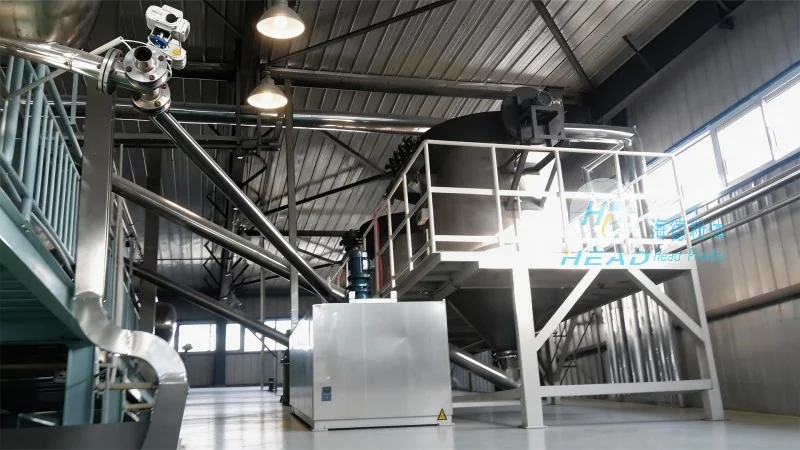
Introduction to Glass Bead Material Handling
Glass bead material handling involves the movement, storage, and distribution of glass beads, which are typically small, spherical particles with a smooth surface. These beads are commonly used in industrial processes due to their uniform size, high hardness, and chemical resistance. The primary goal of material handling systems for glass beads is to maintain the integrity of the beads while ensuring efficient transfer from one point to another. This requires careful consideration of factors such as particle size, density, and flow characteristics, as well as the selection of appropriate equipment and processes.
Key Principles of Glass Bead Material Handling
The core principles of glass bead material handling revolve around maintaining the quality and consistency of the beads throughout the handling process. One of the fundamental principles is the prevention of bead breakage or contamination. Glass beads are fragile and can easily be damaged by impact or abrasion, which can affect their performance in downstream applications. Therefore, handling systems must be designed to minimize mechanical stress and use gentle conveying methods, such as pneumatic conveying or belt conveyors with soft materials. Another critical principle is the control of airflow and pressure in pneumatic systems, as improper settings can lead to bead loss or clogging. Additionally, the use of appropriate storage containers, such as sealed bins or silos, is essential to prevent moisture absorption and contamination from external sources.
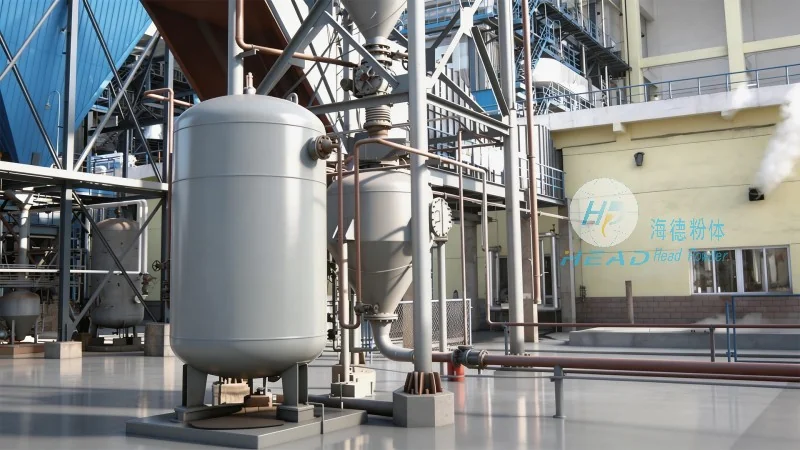
Working Scene Characteristics of Glass Bead Material Handling
The working scene characteristics of glass bead material handling vary significantly depending on the industry and application. In manufacturing facilities, for example, glass beads may be used in coating processes where they are applied to surfaces to provide a smooth or reflective finish. The handling system in such a scenario must be able to deliver a consistent flow of beads to the coating equipment, ensuring uniform application. This often involves automated feeding systems that can adjust the flow rate based on production demands. In contrast, in polishing applications, glass beads are used to remove surface imperfections from metal or plastic parts. The handling system here needs to be capable of precise control over bead distribution, as the amount and size of beads directly impact the polishing quality. Another key characteristic is the need for dust control and environmental safety, as glass beads can create airborne particles that may pose health risks. Therefore, many handling systems incorporate dust collection and filtration systems to maintain a clean working environment.
Applications and Industries Utilizing Glass Bead Material Handling
Glass bead material handling is widely used across various industries, each with its unique requirements. In the automotive industry, glass beads are used in the production of reflective coatings for road markings and vehicle parts. The handling systems in this sector must be able to handle large volumes of beads efficiently and ensure consistent quality for high-visibility applications. In the construction industry, glass beads are used as a component in concrete and asphalt mixtures to improve durability and reduce water absorption. The material handling systems here need to be robust and capable of handling bulk quantities of beads, often using bulk handling equipment such as trucks and silos. The electronics industry also relies on glass beads for applications like encapsulation and thermal management. Here, the handling systems must maintain high purity and prevent contamination, as even small amounts of impurities can affect the performance of electronic components. Each of these industries highlights the importance of tailored material handling solutions that address specific operational needs.
Equipment and Technologies for Glass Bead Material Handling
Several types of equipment and technologies are commonly used in glass bead material handling to meet the diverse needs of different applications. Pneumatic conveying systems are widely used due to their ability to transport glass beads over long distances with minimal friction and impact. These systems use compressed air to move beads through pipes, which can be designed for both low and high-pressure applications. Belt conveyors are another common choice, especially for short-distance or bulk handling. They are typically equipped with soft materials or special coatings to prevent bead damage and ensure smooth movement. Additionally, bucket elevators and screw conveyors are used in some applications, particularly for vertical or inclined transport. These systems are often combined with storage solutions like hoppers and silos to create a complete material handling system. The choice of equipment depends on factors such as the bead size, flow rate, and the distance between handling points, as well as the specific requirements of the end application.
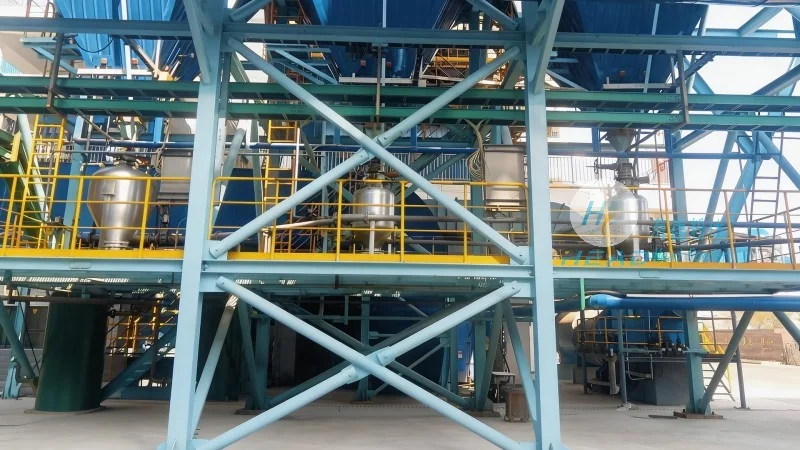
Challenges and Solutions in Glass Bead Material Handling
Despite the effectiveness of modern material handling systems, several challenges remain in the handling of glass beads. One of the primary challenges is the prevention of bead loss and clogging in pneumatic systems. This can be addressed by using proper filter systems and maintaining consistent airflow. Another challenge is the control of bead temperature, as some applications require beads to be kept at specific temperatures to avoid degradation. Temperature control systems, such as heated or cooled conveying lines, can be integrated into the handling process to address this issue. Additionally, the need for high-purity beads in certain industries presents a challenge, as even trace contaminants can affect product quality. Advanced filtration and cleaning processes are used to ensure the purity of the beads, often involving multiple stages of filtration and drying. These challenges highlight the importance of continuous improvement and innovation in material handling technologies to meet the evolving needs of industries that rely on glass beads.
Conclusion and Future Trends
In conclusion, glass bead material handling is a critical process that requires careful consideration of various principles and characteristics to ensure efficiency and product quality. The working scene characteristics vary across different industries, each demanding tailored solutions to meet specific operational needs. As technology advances, new equipment and technologies are being developed to address the challenges associated with glass bead handling, such as improved filtration systems and automated control mechanisms. The future of glass bead material handling is likely to involve more integrated and intelligent systems that can adapt to changing production demands and maintain high standards of quality and safety. For industries that rely on glass beads, investing in advanced material handling solutions is essential to enhance productivity and ensure long-term success.




