Understanding the principles and operational characteristics of corn stalk material conveying is crucial for optimizing agricultural processing and material handling in modern farming operations. This article explores the fundamental mechanisms behind the efficient transport of corn stalks, alongside the specific working environments where such systems are most effectively applied.
Core Principles of Corn Stalk Material Conveying
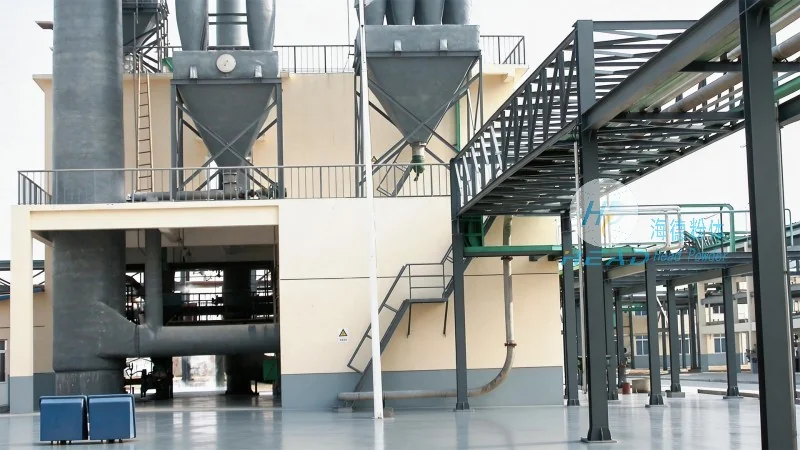
The process of corn stalk material conveying relies on several key engineering principles to ensure reliable and efficient movement of biomass materials. These principles include mechanical force application, material flow control, and system integration with agricultural machinery. The primary goal is to convert the energy from the conveying system into the kinetic energy required to move the heavy and fibrous corn stalks, minimizing energy loss and maximizing throughput. Advanced designs often incorporate adjustable speed controls, variable tension mechanisms, and robust feeding systems to adapt to the varying density and moisture content of corn stalks. The use of durable materials, such as high-strength steel and wear-resistant coatings, further enhances the longevity and performance of the conveying components. By adhering to these core principles, operators can achieve consistent and reliable material transport, which is essential for downstream processing steps like baling, grinding, or energy conversion.
Working Scene Characteristics of Corn Stalk Material Conveying Systems
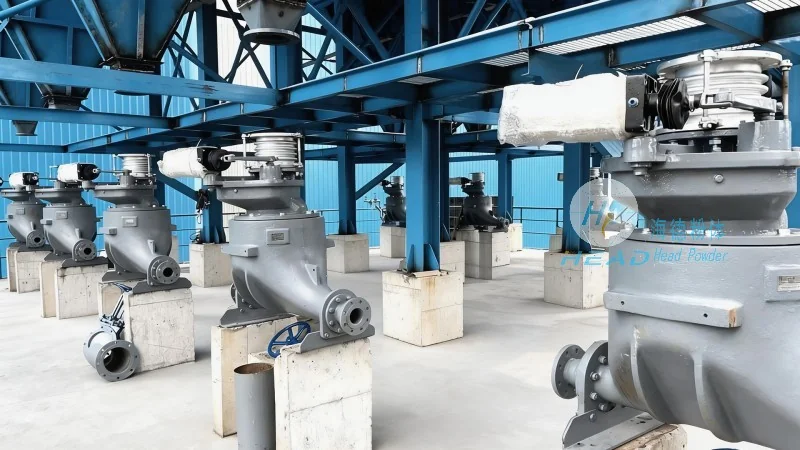
Corn stalk material conveying systems are typically deployed in diverse agricultural settings, each with unique characteristics that influence system design and operational efficiency. One common application is in large-scale corn farming operations where post-harvest residue management is critical. These systems are often integrated with combine harvesters or specialized choppers, allowing for immediate on-farm processing of the stalks. The working environment in such scenarios is characterized by high humidity, variable temperatures, and the presence of dust and debris, which demands robust construction and effective dust control measures. Another typical working scene is in biomass processing facilities, where corn stalks are collected from multiple farms and transported to centralized processing plants. Here, the conveying systems must handle larger volumes of material and operate continuously over extended periods, requiring high-capacity and low-maintenance designs. The integration with storage silos or processing lines further emphasizes the need for precise control over material flow and moisture content. Additionally, in smaller-scale or family farms, portable or semi-portable conveying systems are used, tailored to the limited space and lower throughput requirements of these operations. These systems often feature compact designs and user-friendly controls, enabling farmers to handle their corn stalks efficiently without the need for extensive infrastructure.
Company Overview: Shandong HeadPowder Engineering Co., Ltd.
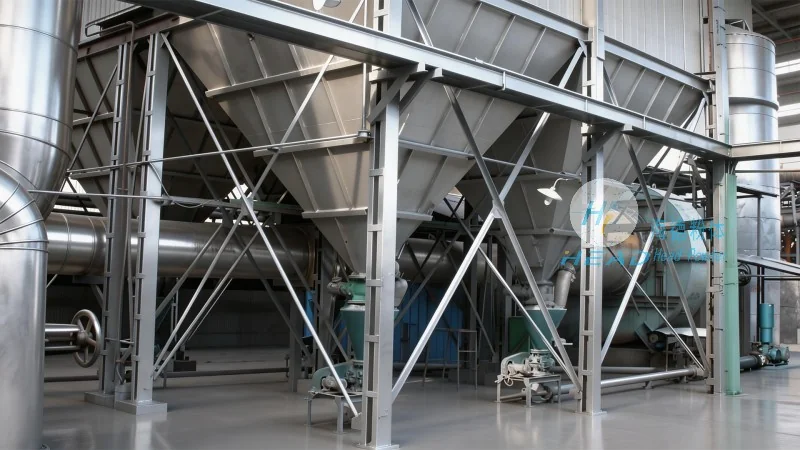
As a leading provider of agricultural engineering solutions, Shandong HeadPowder Engineering Co., Ltd. specializes in the design, manufacturing, and implementation of advanced corn stalk material conveying systems. With a strong commitment to innovation and customer satisfaction, the company has established itself as a trusted partner in the agricultural machinery industry. HeadPowder's products are engineered to meet the demanding requirements of modern farming, combining durability, efficiency, and adaptability. The company's team of experienced engineers and technicians works closely with clients to understand their specific operational needs, ensuring that each conveying system is tailored to optimize performance and reduce operational costs. HeadPowder's facilities in Shandong, China, are equipped with state-of-the-art manufacturing equipment and quality control processes, guaranteeing the highest standards of product reliability. The company's dedication to research and development ensures that its solutions remain at the forefront of agricultural technology, addressing the evolving challenges faced by farmers and processors worldwide.
Key Features and Benefits of HeadPowder's Corn Stalk Conveying Solutions
HeadPowder's corn stalk material conveying systems are distinguished by several key features that enhance their performance and user experience. These include adjustable speed and tension controls, which allow operators to fine-tune the system to the specific characteristics of the material being handled. The use of wear-resistant components, such as hardened steel rollers and durable belts, extends the service life of the equipment and reduces maintenance intervals. Additionally, the systems are designed with integrated dust suppression and filtration systems, improving air quality in the working environment and protecting both equipment and personnel. The compact and modular design of many models enables easy installation and integration with existing agricultural infrastructure, minimizing downtime during setup. Furthermore, HeadPowder's solutions are engineered for low energy consumption, contributing to cost savings and environmental sustainability. The company's focus on user-friendly interfaces, including intuitive controls and clear operational indicators, ensures that operators can easily manage the system, even with minimal training. These features collectively contribute to the overall efficiency and reliability of the conveying process, making HeadPowder's systems a preferred choice for agricultural operations worldwide.
Conclusion: Optimizing Corn Stalk Handling with Advanced Conveying Systems
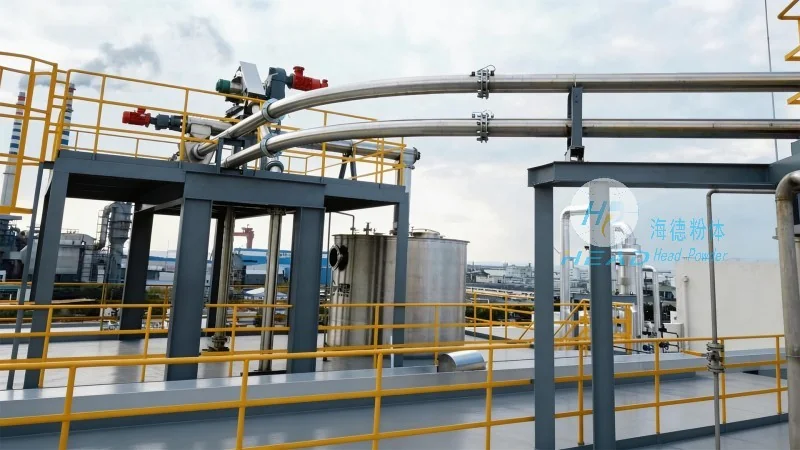
In conclusion, the principles and working scene characteristics of corn stalk material conveying play a vital role in modern agricultural operations, enabling efficient management of post-harvest biomass. By understanding the core engineering principles and adapting systems to specific working environments, farmers and processors can achieve significant improvements in productivity and cost-effectiveness. Shandong HeadPowder Engineering Co., Ltd. stands as a leading provider of advanced corn stalk conveying solutions, offering innovative and reliable systems that meet the diverse needs of the agricultural industry. With a commitment to quality, innovation, and customer satisfaction, HeadPowder continues to advance the technology of material handling, supporting sustainable farming practices and the efficient utilization of agricultural resources.




