Shandong HeadPowder Engineering Co., Ltd., a leading enterprise based in Shandong, China, specializes in the research, development, and production of advanced powder pneumatic conveying systems. The company focuses on providing efficient and reliable solutions for the transportation of various powder materials, including food-grade products like Xiaomi (a type of small millet). This article explores the fundamental principles behind these systems and highlights the key operational characteristics and application scenarios that define their effectiveness in industrial settings.
Understanding the Core Principle of Pneumatic Conveying for Powder Materials
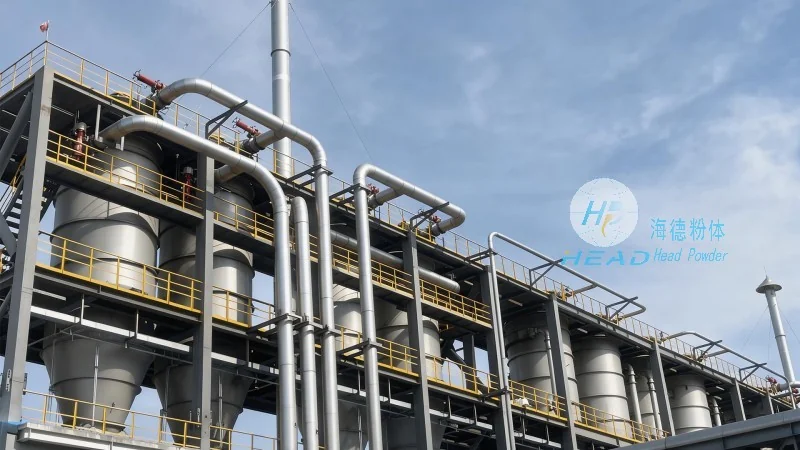
The pneumatic conveying system operates on the principle of using air or gas as the medium to transport powder particles. In the case of Xiaomi powder, which typically consists of small, dry grains with specific particle size and density, the system utilizes either positive pressure (air blow) or negative pressure (air suction) to move the material from the source to the destination. The process involves creating a pressure differential that propels the powder along a pipeline, often with the assistance of special components such as cyclones, separators, and control valves. This method eliminates the need for mechanical components like belts or buckets, reducing maintenance requirements and enhancing hygiene, which is critical for food processing applications.
Key Operational Characteristics of Xiaomi Powder Pneumatic Conveying Systems
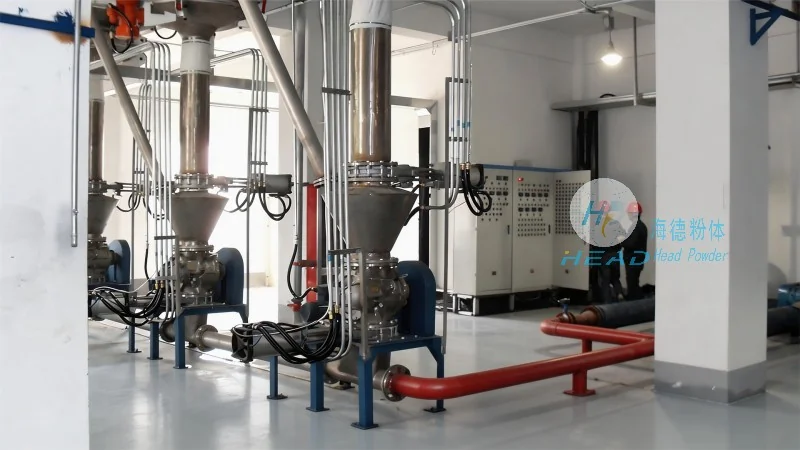
When applied to Xiaomi powder, these systems exhibit several distinct operational characteristics that make them suitable for diverse industrial needs. Firstly, the systems are designed to handle fine to medium-sized particles, ensuring consistent flow and preventing blockages in the pipeline. The air velocity and pressure are carefully controlled to maintain the powder in a suspended state, minimizing particle degradation and ensuring product integrity. Secondly, the conveying distance can range from short distances within a facility to long-distance transport over several hundred meters, depending on the system configuration. This flexibility allows for integration into existing production lines or expansion of processing capabilities without major infrastructure changes. Thirdly, the systems offer high efficiency in terms of material throughput, with the ability to transport large volumes of powder at a steady rate, which is essential for maintaining production line speeds in food processing plants. Additionally, the enclosed pipeline design prevents dust contamination and environmental pollution, aligning with modern food safety standards and regulatory requirements.
Typical Working Scene Applications and Features
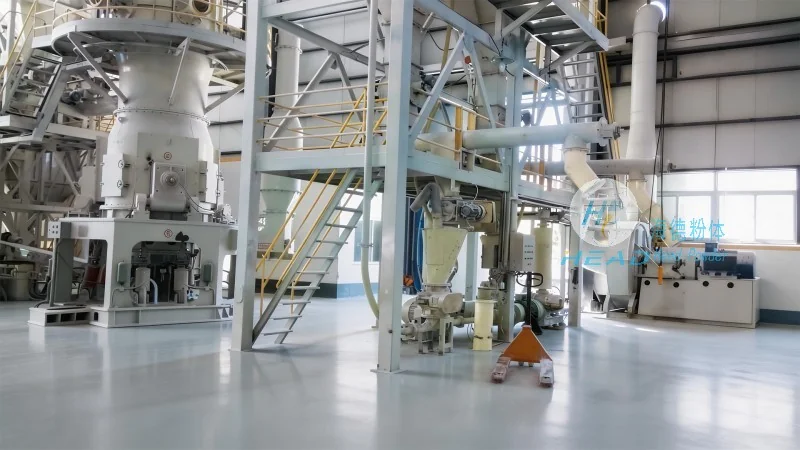
The working scene characteristics of Xiaomi powder pneumatic conveying systems are tailored to specific industrial environments, where efficiency, hygiene, and reliability are paramount. In food processing facilities, for example, these systems are commonly used to transport Xiaomi from storage silos to processing lines, such as milling or packaging stations. The systems are typically installed in cleanroom environments or areas with strict sanitary controls, ensuring that the powder remains free from contaminants. In agricultural processing plants, they may be used to move harvested Xiaomi from field storage to processing centers, where the system’s ability to handle bulk quantities and maintain product quality is crucial. Another application is in the pharmaceutical or nutraceutical industries, where the same principles apply but with additional emphasis on sterilization and contamination prevention. The systems are often equipped with HEPA filters and sterilizable components to meet these stringent requirements. Furthermore, in manufacturing plants that produce Xiaomi-based products, such as breakfast cereals or animal feed, the pneumatic conveying system can integrate with other processing equipment, such as mixers and extruders, to create a seamless production flow. The key features in these scenarios include the ability to handle varying particle sizes, maintain consistent flow rates, and provide real-time monitoring of the conveying process to ensure optimal performance.
Advantages and Considerations for Implementing Such Systems
Implementing a Xiaomi powder pneumatic conveying system offers several advantages that make it a preferred choice for many industries. The primary benefit is the elimination of manual handling, which reduces labor costs and minimizes the risk of product contamination or injury. The enclosed system also prevents dust from entering the workplace, improving air quality and reducing the need for additional dust control measures. Another advantage is the system’s adaptability to different production scales, from small-scale batch processing to large-scale continuous production. However, there are also considerations to keep in mind when selecting or installing such a system. For instance, the initial investment cost may be higher compared to traditional mechanical conveyors, but the long-term savings in maintenance and operational costs often justify the expense. Additionally, the system’s performance is highly dependent on the properties of the powder being conveyed, such as moisture content, particle size distribution, and bulk density, which must be carefully evaluated during the design phase. Proper system sizing and component selection are critical to ensure efficient and reliable operation. In summary, the combination of operational efficiency, hygiene, and flexibility makes pneumatic conveying systems an excellent solution for transporting Xiaomi powder in various industrial applications.




