For pharmaceutical manufacturers, the efficient and hygienic handling of powdered drugs is critical to maintaining product quality and regulatory compliance. Pneumatic conveying systems have emerged as a key solution for transporting powders in pharmaceutical production environments. This article explores the fundamental principles of powdered drug pneumatic conveying systems and highlights their unique application scenarios, providing insights into how these technologies enhance operational efficiency and product safety.
Understanding the Core Principles of Powdered Drug Pneumatic Conveying
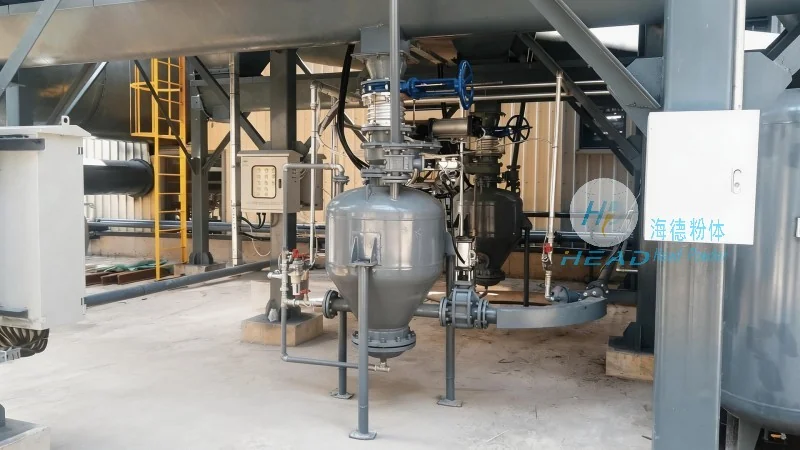
Pneumatic conveying systems utilize air or gas to transport bulk powders through a network of pipes. The technology operates on the principle of creating a pressure differential to move material from a source to a destination. There are two primary types of pneumatic conveying: aspiration (or vacuum) systems and pressure systems. Aspiration systems use a vacuum to draw material from a hopper or storage bin into the conveying line, while pressure systems force material through the system using compressed air. Both methods are designed to handle powders with varying properties, such as particle size, density, and moisture content, ensuring reliable and consistent transport.
In the pharmaceutical industry, the choice of system depends on factors like material characteristics, production scale, and the need for contamination control. For example, aspiration systems are often preferred for handling sensitive or hygroscopic powders due to their gentle handling, which minimizes particle degradation. Pressure systems, on the other hand, are suitable for high-volume applications where rapid material transfer is required. The core principle remains consistent: by using air to move powders, these systems eliminate the need for mechanical components like belts or screws, reducing the risk of product contamination and equipment wear.
Key Application Scenarios in Pharmaceutical Manufacturing
Powdered drug pneumatic conveying systems are widely used across various stages of pharmaceutical production, from raw material handling to final product packaging. One of the most common applications is in raw material transfer, where powders are moved from bulk storage to processing lines. This process is critical for ensuring a continuous supply of raw materials while maintaining strict hygiene standards. The systems are typically integrated with hoppers and silos, allowing for seamless material flow and reducing downtime.
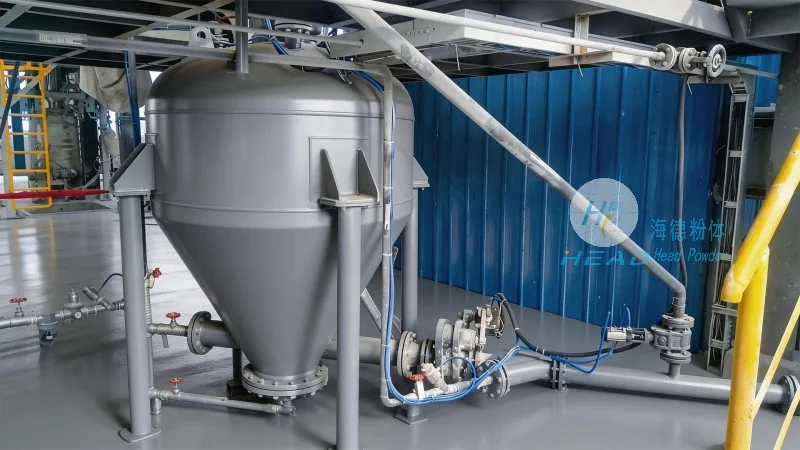
Another key scenario is in in-process handling, such as transferring powders between mixing and granulation units. Pneumatic conveying enables precise control over material flow rates, which is essential for maintaining consistent product quality. For instance, during granulation, the system can deliver the correct amount of powder to the mixer, ensuring uniform particle size and composition. This level of control is particularly important in pharmaceuticals, where even small variations can impact the final product's efficacy.
Additionally, pneumatic conveying systems are used in final product packaging, where powders are transferred from production lines to packaging machines. This stage requires high-speed and reliable transport to meet production demands. The systems are often equipped with dust collection and filtration systems to ensure that no powder is lost or released into the environment, adhering to stringent environmental regulations. The ability to handle powders in a closed system also helps prevent cross-contamination between different product batches.
Advantages of Pneumatic Conveying in Pharmaceutical Settings
Compared to traditional mechanical conveying methods, powdered drug pneumatic conveying systems offer several advantages that are particularly relevant in the pharmaceutical industry. First, they provide a fully enclosed and sanitary operation. The use of sealed pipes and air filtration systems prevents the release of powders into the environment, reducing the risk of contamination and improving workplace safety. This is crucial for pharmaceutical facilities, which must comply with regulatory standards like GMP (Good Manufacturing Practice).
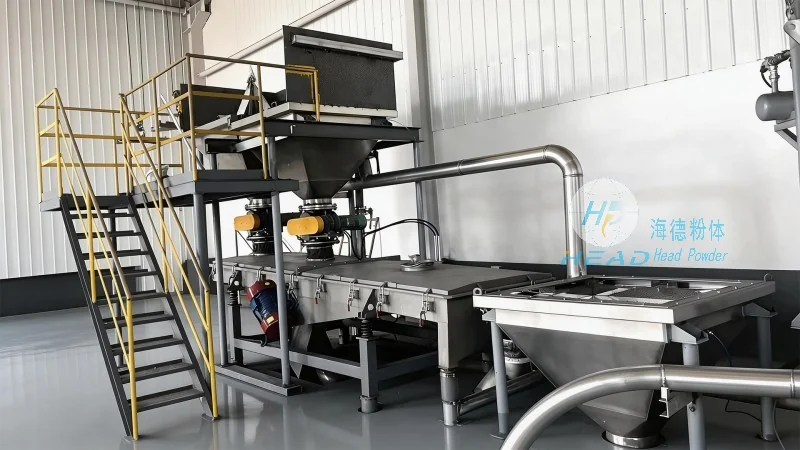
Second, pneumatic conveying systems offer flexibility and scalability. They can be easily adapted to different production volumes and layouts, making them suitable for both small-scale and large-scale manufacturing operations. The modular design allows for the addition or removal of conveying lines as production needs change, providing long-term cost efficiency. For example, a pharmaceutical company can start with a basic system and expand it as their production capacity increases, without the need for major infrastructure changes.
Third, these systems are gentle on product quality. Unlike mechanical conveyors that may cause particle attrition or segregation, pneumatic conveying minimizes product degradation. This is especially important for sensitive pharmaceutical powders, which can be easily damaged by mechanical stress. The low shear forces and controlled flow rates ensure that the powder's physical properties, such as particle size distribution and moisture content, remain consistent throughout the conveying process.
Fourth, pneumatic conveying systems contribute to energy efficiency. While they require compressed air, modern systems are designed to optimize energy use. The use of variable frequency drives (VFDs) allows for adjusting air pressure and flow rates based on actual demand, reducing energy consumption. This not only lowers operational costs but also aligns with sustainability goals in the pharmaceutical industry.




