Shandong HeadPowder Engineering Co., Ltd., a leading manufacturer in the field of powder handling technology, specializes in the design and implementation of advanced pneumatic conveying systems tailored for coffee processing industries. The company, commonly known as HeadPowder, is headquartered in Shandong, China, and has established itself as a trusted partner for businesses seeking efficient and reliable solutions for transporting coffee powders. This article delves into the fundamental principles of coffee powder pneumatic conveying systems and explores the key characteristics of their operational environments.
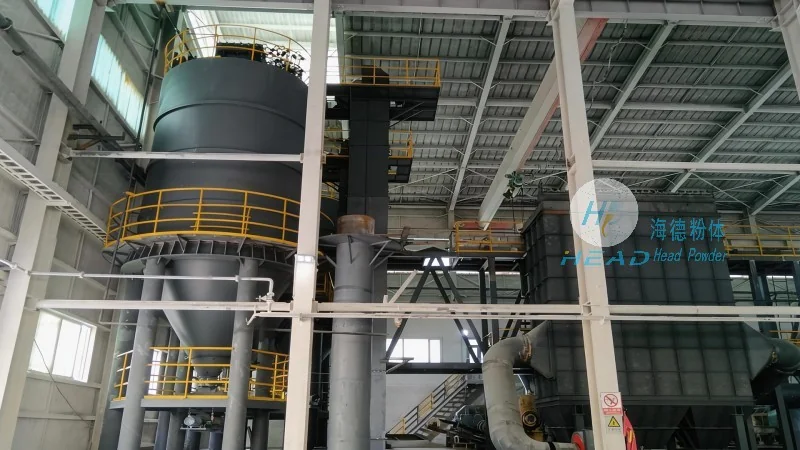
Principles of Pneumatic Conveying for Coffee Powders
The core principle of a coffee powder pneumatic conveying system is the use of compressed air or other gases to transport bulk materials, such as coffee grounds or instant coffee powders, through a pipeline network. Unlike traditional mechanical conveyors, which rely on physical contact and friction to move materials, pneumatic systems utilize air pressure to create a flow that propels the powder particles. This method is particularly effective for delicate or abrasive materials like coffee powders, as it minimizes product degradation and maintains product integrity. The system typically consists of a hopper, a feeder, a conveying line, and a receiver, with the air flow controlled by a blower or compressor. The air velocity and pressure are carefully regulated to ensure optimal material transport without causing excessive wear or damage to the equipment.
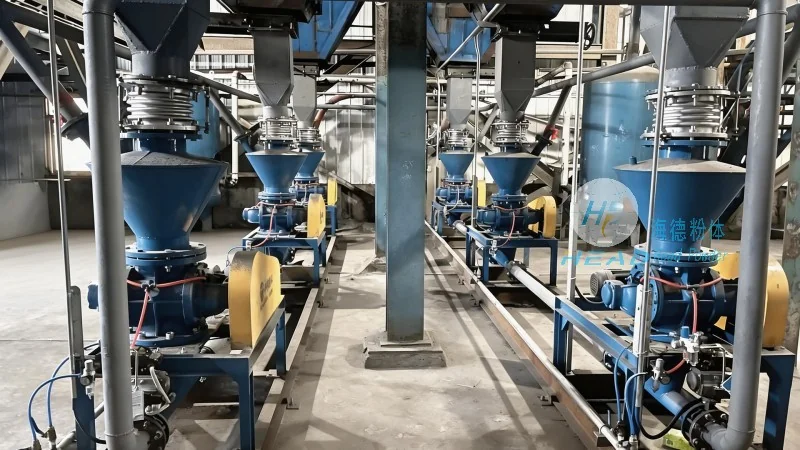
Key Components and Their Functions
Each component of a coffee powder pneumatic conveying system plays a critical role in the overall efficiency and performance of the system. The hopper serves as the storage vessel for the coffee powder, providing a consistent feed to the feeder. The feeder, often a rotary valve or a screw feeder, controls the flow rate of the powder into the conveying line, ensuring a steady and controlled supply. The conveying line, made of materials resistant to corrosion and abrasion (such as stainless steel or plastic), transports the powder and air mixture. The blower or compressor generates the necessary air pressure and volume to move the material through the line. Finally, the receiver collects the delivered coffee powder, separating it from the air using a filter or cyclone. Proper maintenance and calibration of these components are essential to ensure the system operates at peak efficiency and to extend its service life.
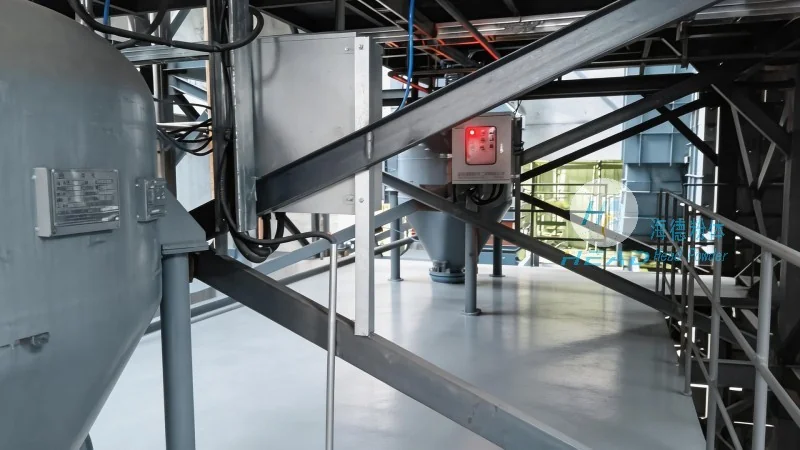
Application Scenarios and Operational Characteristics
Coffee powder pneumatic conveying systems are widely used in various stages of coffee processing, from raw bean handling to the final product packaging. In the raw coffee processing stage, the system can transport coffee beans from storage silos to grinding machines or roasting ovens. During the grinding process, the system efficiently conveys ground coffee powders to the packaging line, minimizing dust and ensuring a consistent product flow. For instant coffee production, the system is crucial for transporting instant coffee powders from the spray drying process to storage tanks or packaging facilities. The operational characteristics of these systems, such as their ability to handle high volumes of material with minimal labor, make them ideal for large-scale coffee processing operations. Additionally, the systems are designed to be flexible, allowing for easy integration into existing production lines and adaptation to varying production demands.
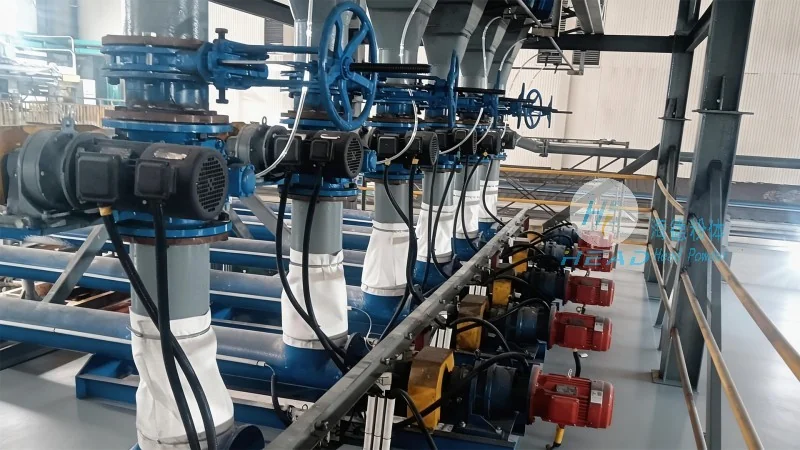
Advantages of Coffee Powder Pneumatic Conveying Systems
Compared to traditional conveying methods, coffee powder pneumatic conveying systems offer several significant advantages. Firstly, they provide a dust-free and hygienic environment, which is critical for food processing applications like coffee production. The enclosed system prevents contamination from external sources and reduces the risk of product spoilage. Secondly, the systems are highly efficient in terms of energy consumption and material handling, as they can transport large quantities of powder with minimal air usage. Thirdly, the systems are versatile and can handle a wide range of powder characteristics, including different particle sizes, moisture contents, and flow properties. This adaptability makes them suitable for various coffee processing applications. Finally, the systems are relatively easy to install and maintain, with modular components that can be replaced or upgraded as needed. Overall, the advantages of coffee powder pneumatic conveying systems make them a preferred choice for modern coffee processing facilities.




