HeadPowder, a prominent engineering enterprise based in Shandong, China, focuses on the development and application of advanced pneumatic conveying systems for the battery anode material sector. This article explores the underlying principles of these systems and outlines the key operational characteristics that define their performance in practical industrial settings.
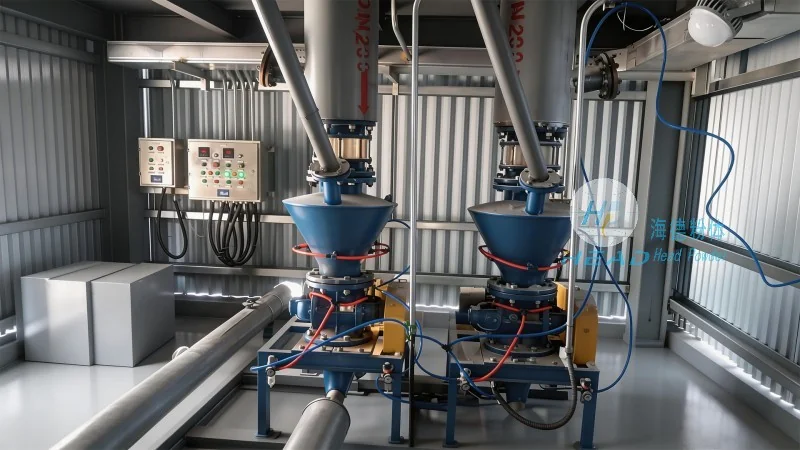
Introduction to Pneumatic Conveying Systems for Battery Anode Materials
Pneumatic conveying systems play a pivotal role in the efficient handling and transportation of fine powders, including those used in lithium-ion battery anode production. Unlike traditional mechanical methods, such as screw conveyors or belt systems, pneumatic conveying utilizes air or gas to suspend and transport particles through a pipeline network. This approach offers significant advantages for battery anode material manufacturers, including enhanced flexibility, reduced material degradation, and improved safety in handling potentially hazardous powders. The reliability of these systems directly impacts production throughput, material quality, and overall operational costs, making them an indispensable component of modern battery production lines.
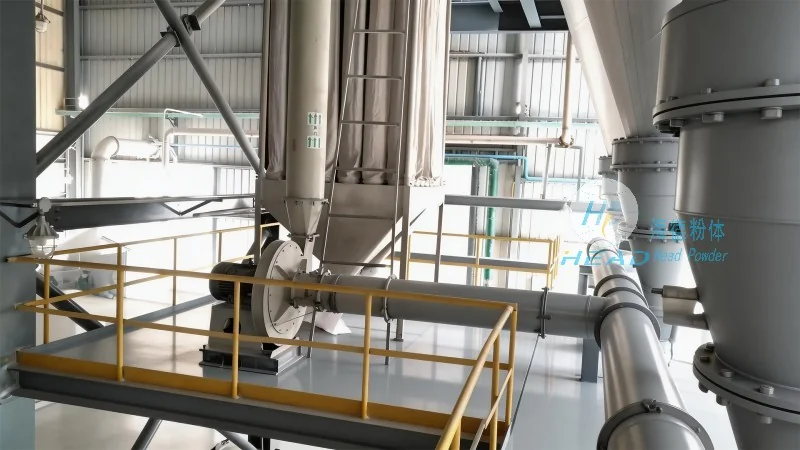
The Core Principle of Pneumatic Conveying
The fundamental mechanism of pneumatic conveying involves the interaction between particulate material and a flowing gas stream. In a typical setup, air is introduced into a hopper or feeder, creating a pressure differential that drives the material through the pipeline. Two primary operational modes are employed: positive pressure systems, where air is blown into the system to push the material forward, and negative pressure systems, where air is extracted to pull the material. The selection of a mode depends on factors like material properties, the distance of transport, and the system layout. For battery anode materials, which are sensitive to mechanical stress and require gentle handling to prevent agglomeration or degradation, negative pressure systems are often preferred. These systems maintain a low-velocity environment, minimizing impact on the particles and preserving their structural integrity.
Key Working Scene Characteristics
The effectiveness of a pneumatic conveying system is characterized by several critical operational features tailored to the demands of battery anode material processing. These features include: high transport efficiency, ensuring consistent flow rates with minimal material loss; low degradation risk, as the system reduces mechanical stress on the particles; flexible system integration, allowing seamless integration with existing production lines and scalability for future expansion; and clean and dust-free operation, which is essential for maintaining material purity and meeting industry standards. Additionally, these systems are designed to accommodate a wide range of particle sizes and densities, making them versatile for various anode material formulations, from graphite to silicon-based powders.
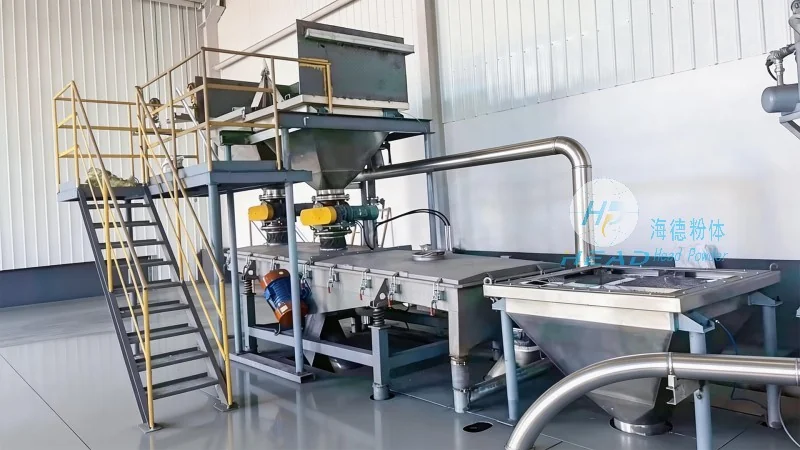
Company Overview: Shandong HeadPowder Engineering Co., Ltd.
HeadPowder, headquartered in Shandong, China, is a specialized engineering company dedicated to providing comprehensive material handling solutions for the battery and other advanced manufacturing industries. With a strong background in engineering and a deep understanding of the unique challenges faced by battery anode material manufacturers, the company has developed expertise in designing and implementing pneumatic conveying systems that meet the stringent requirements of modern production facilities. By leveraging advanced technology and engineering principles, HeadPowder ensures that its systems deliver optimal performance, reliability, and cost-effectiveness, supporting the continuous improvement of battery production processes.




