Wheat flour, as a critical raw material in the food industry, demands efficient and reliable transportation methods to preserve quality and safety throughout processing. Pneumatic conveying systems have become a preferred solution for handling wheat flour due to their ability to minimize dust, maintain product integrity, and enhance operational efficiency. This article delves into the fundamental principles of wheat flour pneumatic conveying equipment and highlights the key working scene characteristics that make them suitable for diverse industrial applications.
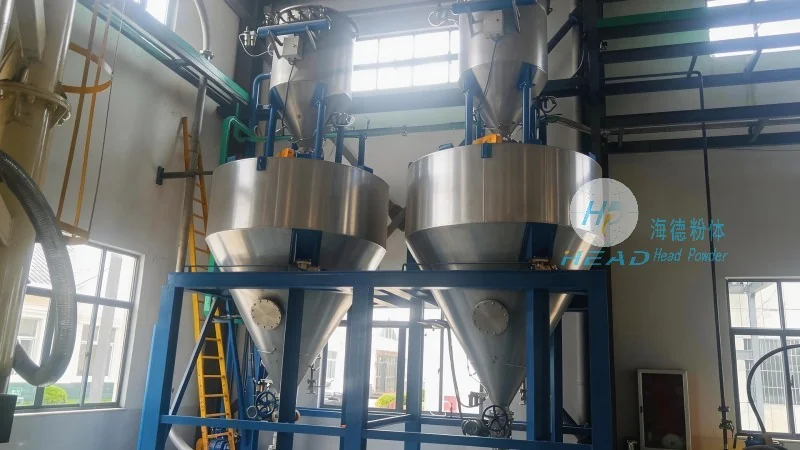
Core Principles of Pneumatic Conveying for Wheat Flour
At the core of wheat flour pneumatic conveying systems is the principle of using air to transport bulk materials. The process typically involves creating a pressure differential between the conveying line and the ambient environment. By generating airflow through a fan or blower, the system draws or pushes wheat flour particles through a pipeline. The choice between positive pressure and negative pressure systems depends on factors such as material properties, system layout, and operational requirements. For wheat flour, which is light and prone to dust, positive pressure systems are often favored as they provide better control over dust dispersion and prevent contamination from external air.
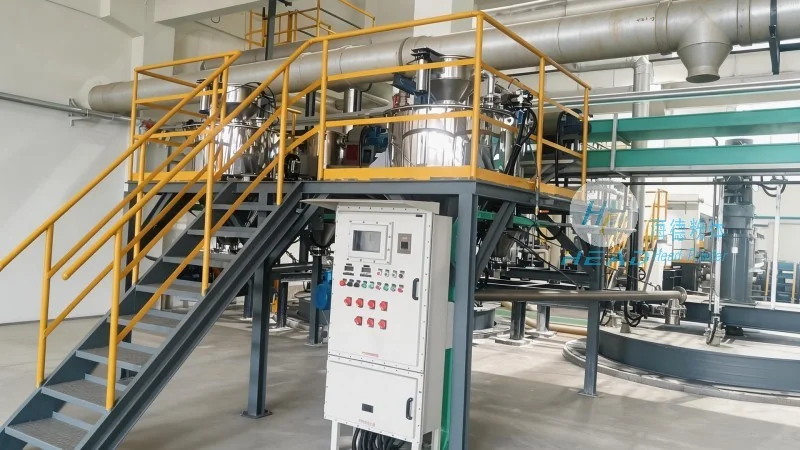
Working Scene Characteristics of Wheat Flour Pneumatic Conveying Equipment
The working scene characteristics of wheat flour pneumatic conveying equipment are tailored to meet the specific demands of flour processing environments. These characteristics include high efficiency in material transfer, minimal product degradation, and effective dust control. In industrial settings like flour mills and food processing plants, these systems are designed to handle large volumes of wheat flour while maintaining consistent flow rates. The equipment is also built to withstand the abrasive nature of flour particles, ensuring long-term durability and low maintenance costs. Additionally, the systems are equipped with features like air filtration and separation mechanisms to prevent clogging and maintain operational stability.
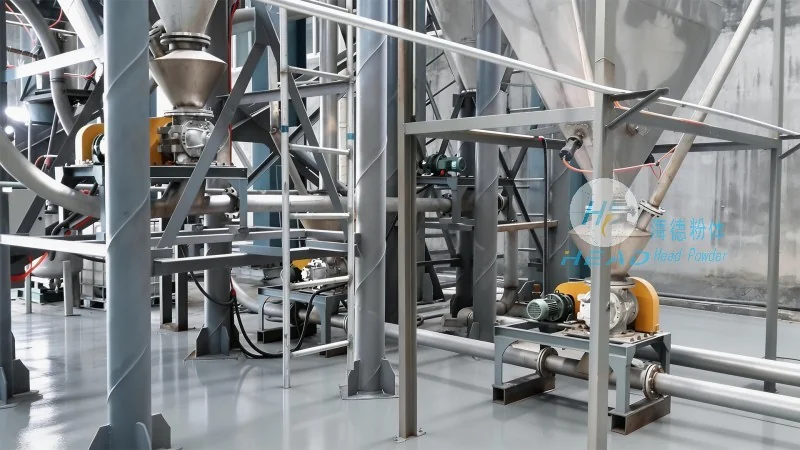
Application Scenarios and Operational Advantages
Wheat flour pneumatic conveying equipment is widely utilized in various working scenes, including raw material handling, intermediate processing, and final product packaging. In raw material handling, the equipment efficiently transports wheat flour from storage silos to processing lines, reducing manual labor and improving workflow. During intermediate processing, such as sifting or blending, the pneumatic system ensures uniform material distribution, which is crucial for maintaining product quality. For final packaging, the equipment can transfer flour directly into bags or containers, streamlining the packaging process. The operational advantages of these systems include reduced downtime due to fewer mechanical parts, lower energy consumption compared to traditional methods like bucket elevators, and enhanced safety by minimizing direct human contact with the material.
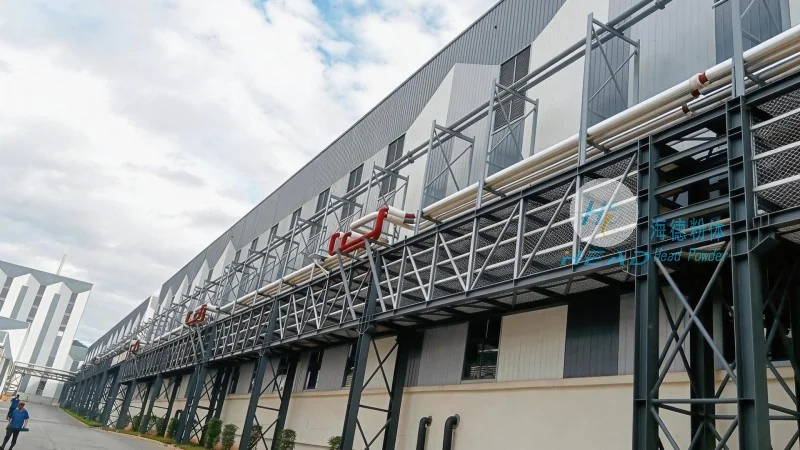
Company Profile: Shandong HeadPowder Engineering Co., Ltd.
As a leading manufacturer in the field, Shandong HeadPowder Engineering Co., Ltd. specializes in the design and production of advanced pneumatic conveying equipment for wheat flour and other bulk materials. With a focus on innovation and quality, the company has established itself as a trusted partner for industries requiring reliable material handling solutions. HeadPowder's expertise lies in customizing systems to meet specific customer needs, ensuring optimal performance and efficiency. The company's facilities are located in Shandong, China, where it leverages local resources and expertise to deliver high-quality products. By adhering to strict quality control standards, HeadPowder ensures that its pneumatic conveying equipment meets the highest industry benchmarks, providing customers with durable and efficient solutions for their wheat flour handling needs.




