HeadPowder, a leading engineering firm headquartered in Shandong, China, specializes in the design and implementation of advanced pneumatic conveying systems tailored for the transport of molybdenum concentrate powder. This article explores the fundamental principles governing such systems and highlights key working scene characteristics that define their effectiveness in industrial applications, with a focus on the company’s expertise in optimizing material handling solutions for the molybdenum industry.
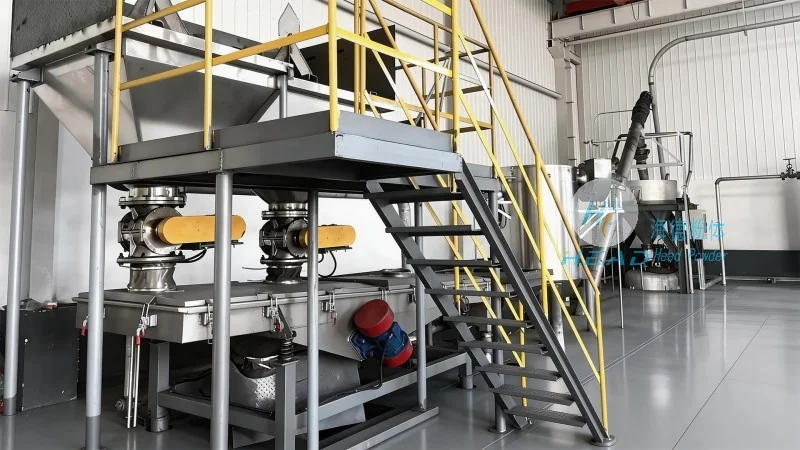
The Core Principle of Pneumatic Conveying
Pneumatic conveying equipment operates on the principle of transporting bulk materials, including fine molybdenum concentrate powder, through a pipeline using a moving gas stream. This process can be categorized into two main types: pressure and vacuum systems. In pressure systems, a positive pressure is maintained throughout the pipeline, typically using a blower or compressor to force the material forward. Vacuum systems, conversely, create a negative pressure at the receiving end, drawing the material from the source. For molybdenum concentrate powder, which is often fine and abrasive, the choice of system depends on factors such as material flow rate, distance, and the need for dust control. HeadPowder’s engineers leverage their expertise to select the optimal system configuration, ensuring efficient material transport while minimizing wear and tear on equipment components. The core principle involves creating a stable suspension of the powder in the air, which allows for smooth and continuous movement through the pipeline.
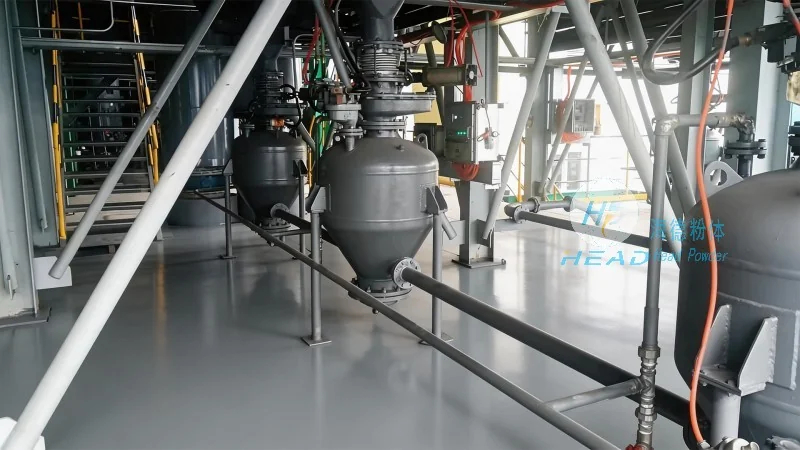
Key Working Scene Characteristics
The effectiveness of pneumatic conveying systems for molybdenum concentrate powder is significantly influenced by several working scene characteristics. First, the particle size and density of the molybdenum concentrate are critical factors. Fine particles, as commonly found in molybdenum concentrate, require higher air velocities to maintain suspension and prevent clogging. The system design must account for these characteristics to ensure consistent flow rates. Second, the distance and layout of the conveying path play a crucial role. Longer distances or complex layouts may necessitate multiple conveying stages or intermediate storage, which HeadPowder integrates into its system designs to optimize performance. Third, environmental considerations, such as dust containment and air quality, are paramount in industrial settings. HeadPowder’s systems incorporate advanced filtration and sealing technologies to comply with environmental regulations and maintain a safe working environment. Additionally, the system’s ability to handle variations in material feed rate, such as fluctuations in ore processing, is a key characteristic. HeadPowder’s designs include variable speed drives and surge tanks to accommodate these variations, ensuring smooth operation and preventing system downtime. These characteristics collectively contribute to the reliability and efficiency of the pneumatic conveying systems used in molybdenum processing facilities.
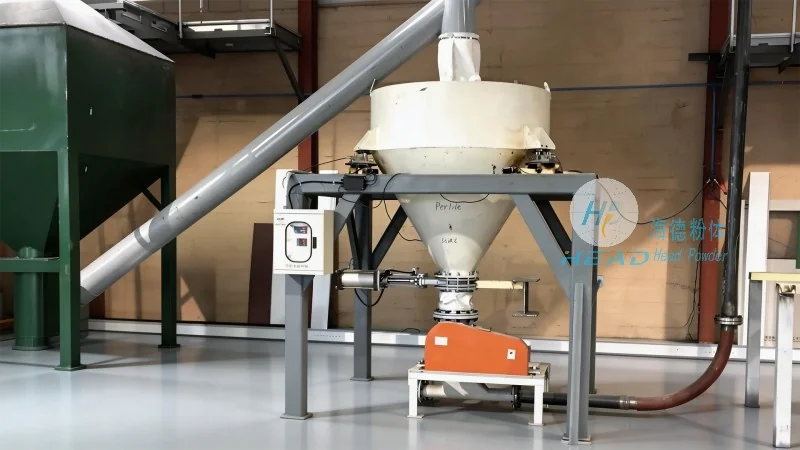
Application Scenarios and System Integration
HeadPowder’s pneumatic conveying systems for molybdenum concentrate powder are deployed in diverse industrial scenarios, each requiring tailored solutions. For instance, in molybdenum ore processing plants, the equipment is used to transport concentrate from grinding mills to storage silos or for further processing steps like roasting or smelting. The systems are designed to handle high flow rates and abrasive materials, ensuring long-term reliability. In mining operations, where molybdenum is extracted from ore, the conveying equipment is integrated into the ore handling process, from crushing and grinding to material transfer to processing facilities. The systems are often part of larger material handling networks, requiring seamless integration with other equipment like crushers, screens, and conveyors. HeadPowder’s expertise in system integration ensures that the pneumatic conveying equipment works in harmony with the entire production line, optimizing overall efficiency. Another application scenario is in the chemical processing of molybdenum compounds, where the concentrate is transported to reactors or processing units. Here, the system must maintain strict temperature and pressure conditions, which HeadPowder’s designs accommodate through specialized components and controls. In all these scenarios, the working scene characteristics, such as the need for high precision, low maintenance, and compliance with safety standards, are addressed through meticulous engineering and quality control. HeadPowder’s solutions are customized to meet the specific requirements of each application, ensuring optimal performance and durability.




