Graphite material handling is a critical process in various industrial applications, and the pneumatic conveying line is a key technology for efficient and safe transportation of graphite powders and granules. This article explores the fundamental principles behind these systems and highlights the specific working scene characteristics that make them suitable for graphite processing environments.
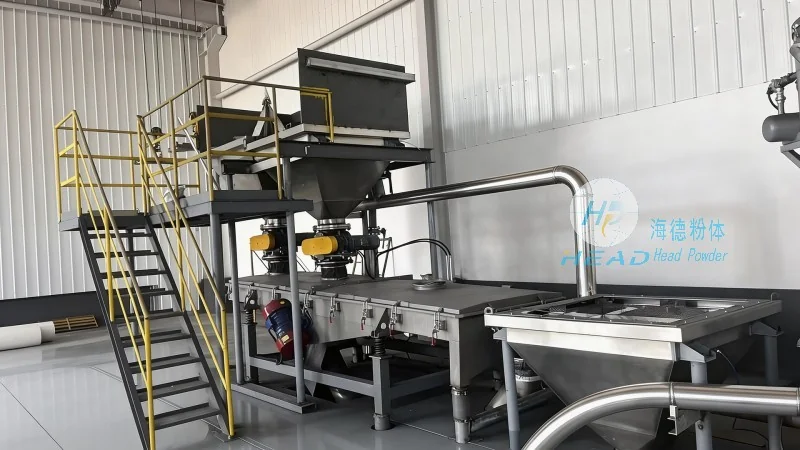
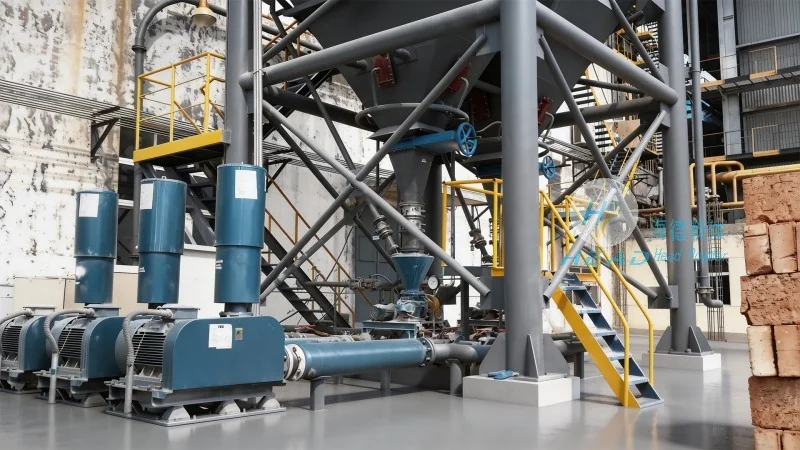
The Principle of Pneumatic Conveying for Graphite Materials
At the core of a graphite material pneumatic conveying line is the use of air as the conveying medium to transport solid particles. The system typically operates by creating a pressure differential between the inlet and outlet, where air is introduced to draw or push the graphite material through a pipeline. For graphite, which is often fine and abrasive, specialized equipment is required to ensure minimal material degradation and efficient transport. The conveying process involves several key components, including a material feeder, a conveying pipeline, a separation or collection unit, and a dust collection system. The feeder ensures a consistent flow of graphite into the system, while the pipeline may be designed with smooth, corrosion-resistant surfaces to accommodate the abrasive nature of graphite. The separation unit, such as a cyclone or bag filter, captures the graphite particles from the air stream, allowing for clean air to be recirculated or discharged. This closed-loop system minimizes environmental impact and maintains material purity, which is essential for applications where graphite quality is critical.
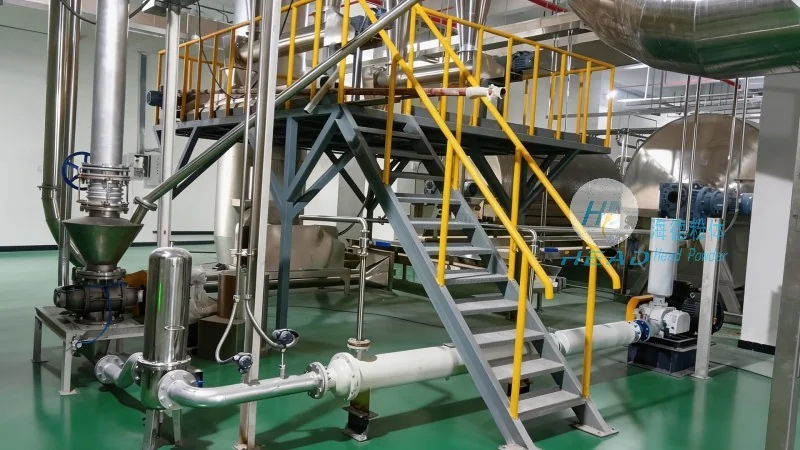
Working Scene Characteristics of Graphite Pneumatic Conveying Lines
The working scene characteristics of graphite material pneumatic conveying systems are tailored to the unique properties of graphite and the specific requirements of industrial processes. These systems are commonly used in scenarios where graphite is processed in large quantities, such as in battery manufacturing, refractory production, and chemical processing. The key characteristics include high efficiency in material transport, low maintenance requirements due to the use of air as the primary medium, and the ability to handle fine powders without clogging or blockages. Additionally, the systems are designed to operate in environments where dust control is paramount, as graphite particles can be hazardous if inhaled. The working scene may involve continuous operation over long periods, requiring reliable and durable equipment that can withstand the abrasive nature of graphite. The systems are also adaptable to different production scales, from small-scale laboratory applications to large-scale industrial plants, making them versatile for various graphite processing needs.
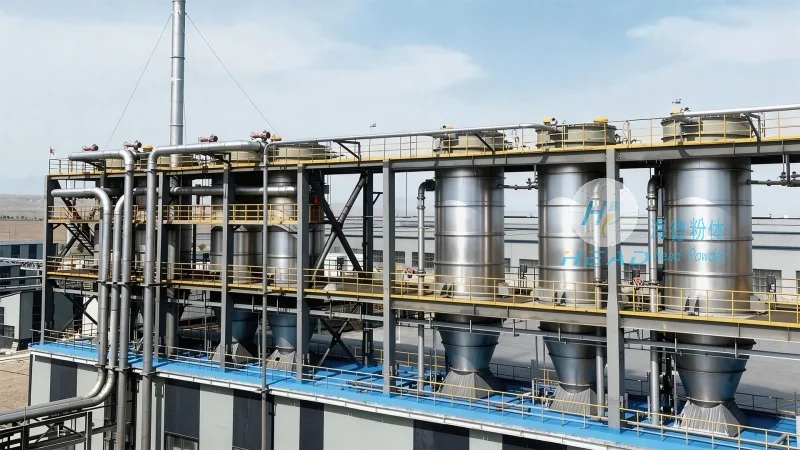
About Shandong HeadPowder Engineering Co., Ltd.
Shandong HeadPowder Engineering Co., Ltd., operating under the brand name headpowder, specializes in the design, manufacturing, and installation of advanced material handling systems, including pneumatic conveying lines for graphite materials. With a focus on innovation and quality, the company has developed expertise in addressing the unique challenges of graphite processing, such as material degradation, dust control, and efficient transport. The company’s solutions are tailored to meet the specific needs of clients, ensuring that the systems are optimized for their production processes and operational requirements. Based in Shandong, China, headpowder leverages local manufacturing capabilities and industry knowledge to deliver reliable and cost-effective solutions for graphite material handling. The company’s commitment to customer satisfaction and technical excellence has established it as a trusted partner in the graphite processing industry.




