HeadPowder, a leading manufacturer in the field of material handling solutions, specializes in the design and production of advanced pneumatic conveying equipment tailored for various industrial applications. The company, based in Shandong, China, has established itself as a trusted partner for businesses seeking efficient and reliable systems for transporting bulk materials like yellow sand. This article delves into the core principles of pneumatic conveying machines and highlights the key characteristics of their working environments, providing a comprehensive overview for potential users and industry professionals.
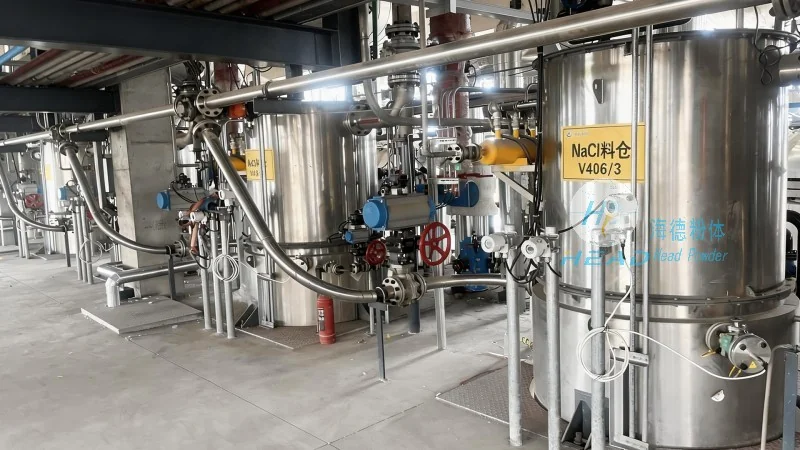
Introduction to Pneumatic Conveying Systems for Yellow Sand Materials
Pneumatic conveying machines are essential equipment in industries that handle bulk materials, offering a flexible and efficient method for transporting materials over short to medium distances. For yellow sand, a common construction and industrial material, these systems provide a solution that addresses the challenges of traditional bulk material handling, such as dust control, material degradation, and operational efficiency. The technology behind pneumatic conveying leverages the power of compressed air to move materials through a pipeline network, making it an ideal choice for applications where traditional conveyors may not be suitable.
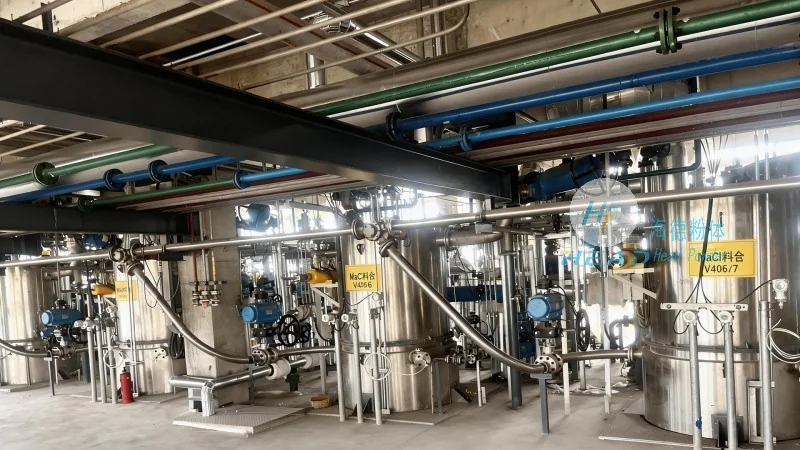
Working Principle of the Pneumatic Conveying Machine
The fundamental principle of a pneumatic conveying machine involves the use of compressed air to create a flow that propels the material through a pipeline. There are two primary types of pneumatic conveying systems: suction (or vacuum) and pressure systems. For yellow sand, suction systems are often preferred due to their ability to draw material from multiple sources and handle materials with a higher moisture content or fine particles. The machine typically consists of a hopper, a rotary valve, a conveying line, and a receiver. The process begins with the material being fed into the hopper, where it is then drawn into the conveying line by the vacuum created by the air mover. The compressed air, introduced at the receiver end, helps to displace the material and maintain the flow. This continuous cycle ensures a steady and controlled transport of yellow sand from the source to the destination.
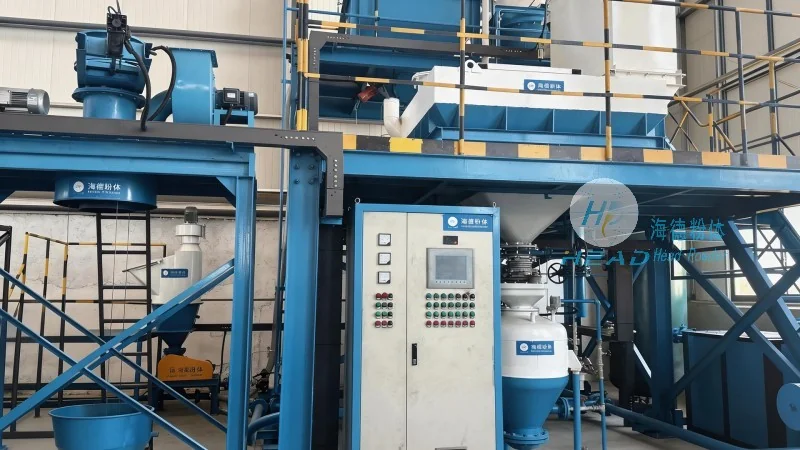
Key Working Scene Characteristics
The working scene characteristics of pneumatic conveying machines for yellow sand are defined by several critical factors that enhance operational performance and user experience. Firstly, the system is designed to minimize dust generation, which is a significant concern in handling fine materials like yellow sand. The enclosed pipeline and sealed components help to contain dust, reducing environmental impact and improving workplace safety. Secondly, the system offers high efficiency in material transport, with the ability to move large volumes of sand over considerable distances with minimal energy consumption compared to traditional methods. Additionally, the low maintenance requirements of pneumatic conveying systems contribute to cost-effectiveness, as there are fewer moving parts and less wear and tear compared to mechanical conveyors. The flexibility of the system also allows for easy integration into existing production lines, adapting to varying material flow rates and process requirements.
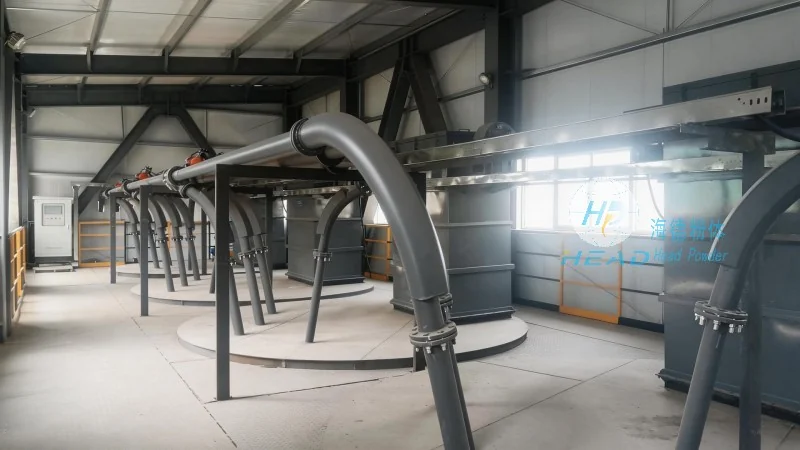
Typical Application Scenarios
Pneumatic conveying machines for yellow sand find widespread application in various industrial and construction settings. In construction sites, these systems are used to transport sand from storage silos to mixing stations, ensuring a consistent supply of material for concrete and mortar production. The ability to handle large volumes and maintain a steady flow is crucial for meeting the demands of high-volume construction projects. In sand processing plants, the machines are employed to move sand from crushing and screening units to storage silos or for further processing, such as washing or grading. The system's ability to handle fine particles and maintain material quality is particularly important in these applications. Additionally, in industrial facilities that require bulk material handling for manufacturing processes, pneumatic conveying provides a reliable solution for transporting yellow sand to production lines, where it may be used as an ingredient in various products. The adaptability of the system to different operational conditions and material characteristics makes it a versatile choice for a range of applications.




